
Petrol prices have gone up in Abuja, with independent petroleum marketers blaming the current hike on continuous hikes in the wholesale price of Premium Motor Spirit (PMS) by Dangote Refinery.
Marketers have been compelled to reassess their pump prices following a series of modifications by the refinery in the last one week, according to the Public Relations Officer of the Independent Petroleum Marketers Association of Nigeria (IPMAN), Chief Chinedu Ukadike, Vanguard reports.
He said the Dangote Refinery hiked its gantry pricing from N1,165 per litre to N1,185 and then N1,200 per litre in one week.
“Anytime Dangote increases his price, our price will increase too,” Ukadike said, adding that merchants could not continue to sell petrol below the replacement cost.
The recent modification has been reflected in the pump pricing in the Federal Capital Territory.
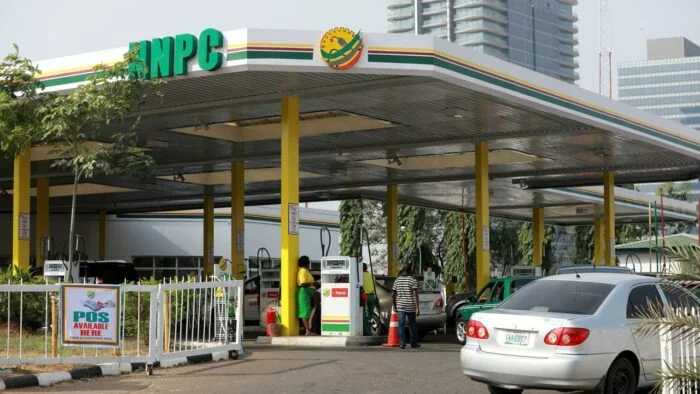
Checks by our correspondent confirmed that NNPC Retail outlets which before supplied petrol at N1,250 per litre had raised to N1,270.
Total Energies stations likewise increased the pump price from N1,250 to N1,275 per litre, while Bovas stations changed their pricing from N1,253 to roughly N1,275 per litre.
The rapid adjustments were causing confusion for marketers and consumers because the cost of replacing products may fluctuate dramatically in a short period of time, Ukadike added.
But he said the volatility in petrol prices could not be blamed only on local refinery costs. He said worldwide crude oil prices, foreign exchange movements and geopolitical happenings that affected global oil supplies also played a part in the market.
The spokesman of the IPMAN said the volatility around the price of petrol had wider repercussions for the economy as the transportation costs had a direct bearing on the prices of goods and services.
But he said he was optimistic that the Dangote Refinery’s free transportation effort for petroleum marketers would help cut distribution costs and ultimately lower pump prices if continued.
Some trucks carrying supplies under the initiative had not arrived, due to bad road conditions, Ukadike added, but more marketers were registering for the scheme.
He also appreciated the inclusion of Imo and Anambra states in the program and described the two states as significant gateway markets in the Southeast.
He said that more access to locally refined petroleum products will foster competition and relieve marketers of the burden of transportation costs and capital tied up in depots.
While importation could boost deregulation and competition, the persistent importation of petrol by some large marketers notwithstanding the rise in domestic refining capacity, raises the question, why would they import products at a price higher than locally refined petrol, Ukadike asked.
“What is the essence of importing the products that are higher than the ones Dangote is giving us, putting pressure on our dollar?” he wondered.
More government support was needed for local refineries, especially in terms of access to crude oil, he said. More local refining would boost competition, cut reliance on imports and perhaps one day put Nigeria in a position to export refined petroleum products, he argued. Join Diaspora Networks
About the Author