
Global financial markets came under significant pressure on Thursday as Brent crude oil prices climbed above $100 a barrel for the first time in weeks and disappointing results from technology heavyweights Tesla and Alphabet sparked a broad sell-off on Wall Street. Soaring energy prices and fresh worries about spending on artificial intelligence spooked investors and reignited fears of sticky inflation.
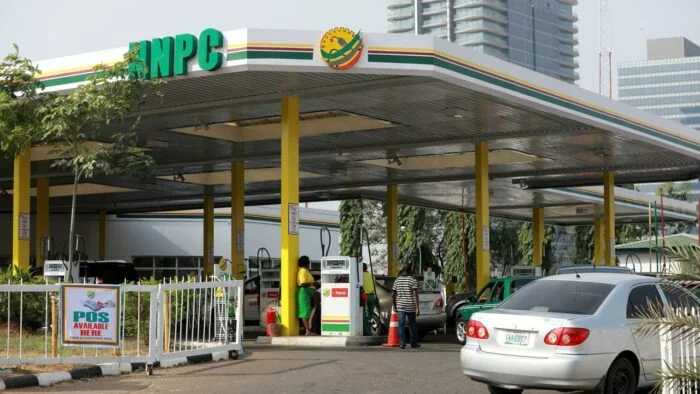
Brent crude, the benchmark for global oil prices, rose as much as 6.7% to $100.40 a barrel on increasing tensions in the Middle East. The latest rise came after a strike on Saudi oil tankers in the Red Sea by Yemen’s Iran-backed Houthi rebels, sparking fresh fears of interruption to one of the world’s most important energy shipping lanes. The Bab el-Mandeb Strait is an important channel for the world crude exports, and any danger to traffic in the region has direct ramifications for international energy markets.
As oil prices rose, the effect was felt swiftly in financial markets. Higher energy costs are projected to lift transportation and industrial costs and boost fuel prices for consumers, backing up fears that inflation could continue elevated and prolong the time before the U.S. Federal Reserve decreases interest rates. Treasury yields rose as investors ramped up bets policymakers may tighten monetary policy further if inflation quickens.
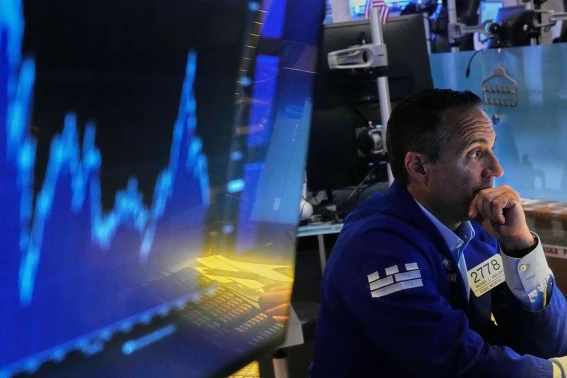
Wall Street was unimpressed by the mix of global instability and mediocre business profits. The S&P 500 was lower by almost 1% and the Nasdaq composite dropped roughly 1.8%. The Dow Jones Industrial Average shed more than 500 points in trading. The dips followed broad selling of technology, consumer and transportation companies.
See also OPay Leads Fintech Innovation Talk at BusinessDay Fintech Summit 2026
Tesla’s shares dropped more than 12%, marking one of the day’s largest losses, after the electric vehicle maker reported disappointing quarterly earnings, including negative free cash flow and weaker-than-expected profitability. Investors also fretted about weaker demand for electric cars and more competition in important markets.
Markets were also pulled down by Alphabet, Google’s parent firm, even though it posted results that beat forecasts from experts. Instead, investors turned to the company’s huge growth in spending on artificial intelligence infrastructure, raising questions over whether the massive investments will pay off enough in the short term. Shares in Alphabet plummeted more than 6%, pulling the whole technology sector down with them.
Airline equities were some of the worst performing sectors as investors prepared for increasing fuel costs. Among the companies that fell sharply were American Airlines and Southwest Airlines, on concerns pricey oil will eat into profits and curb travel demand if ticket costs rise.
European markets also were lower, with key indices falling amid worries that rising energy prices will hinder economic development throughout the continent. Asian markets were more resilient against the backdrop of global concern, with improved regional data and some selective advances in technology equities.
Analysts say investors will be watching developments in the Middle East closely, in particular the security of global shipping routes and any escalation involving Iran and its regional allies. They also are looking at anticipated earnings reports from other big tech companies and potential Federal Reserve decisions to guide market direction in the weeks ahead. With oil prices once more trading above the psychologically significant $100-a-barrel threshold, concerns about inflation, economic growth and geopolitical stability are likely to stay at the forefront of global financial markets.
About the Author