
Ukraine has ramped up its long-range drone strikes against Russia’s energy infrastructure, hitting two more oil refineries overnight in a campaign officials say is aimed at disrupting Moscow’s military logistics and economic resiliency.
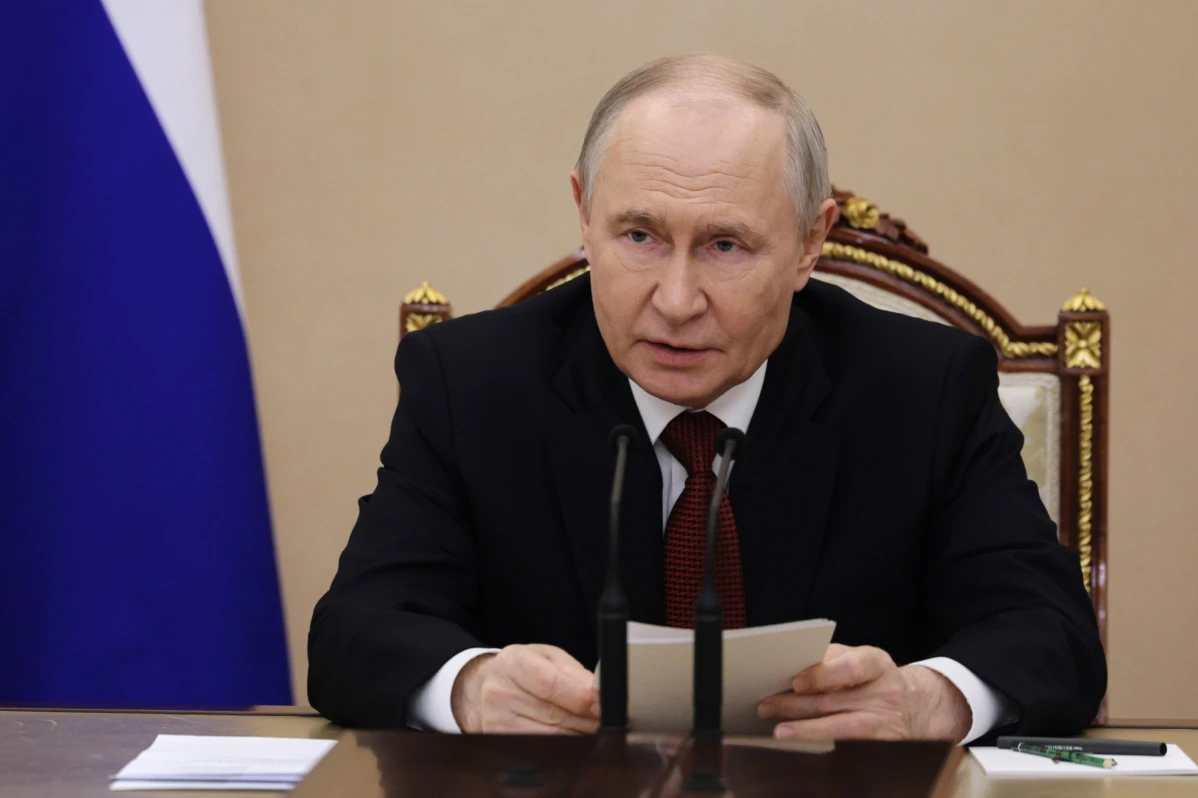
The latest attacks came as Russian President Vladimir Putin openly stated that the country is facing fuel shortages, a rare acknowledgement that shows the mounting cost of Ukraine’s ongoing strikes on Russia’s oil industry.
Ukrainian President Volodymyr Zelenskyy said overnight that drones hit important refineries in Russia’s Krasnodar and Yaroslavl districts. One of the plants, the Slavyansk refinery in Russia’s southern Krasnodar area, was on fire, with stunning footage shared on social media showing dark black smoke billowing over the facility.
The assaults are part of Kyiv’s growing attempt to hit critical energy infrastructure deep within Russian territory. Ukrainian officials said the goal is to reduce Russia’s capacity to continue military operations by interrupting fuel production, and to increase economic pressure on the Kremlin. Zelenskyy has called the tactic “long-range sanctions,” saying it is intended to make Russia reconsider prolonging the war.
In comments broadcast by Russian official media, President Putin acknowledged that numerous regions are experiencing gasoline shortages, particularly now with agricultural demand surging in the summer harvest season.
He said the government organised a special task force working around the clock to stabilise supply, improve refinery output and strengthen protection for oil installations that have increasingly been targeted by Ukrainian drone assaults.
Russia now has about 1.7 million metric tonnes of petrol in stock, Putin said, adding that he is confident output will recover in July. He said officials also are considering tighter limitations on shipments of diesel if domestic shortages get worse.
See too Vietnam Tells U.S. Navy to Allow Oil Tanker Through Gulf Blockade
The new strikes suggest Ukraine’s drone program is becoming more sophisticated.
Over the past year, Kyiv has frequently struck oil depots, refineries, storage terminals and pipeline infrastructure hundreds and occasionally more than a thousand kilometres behind the front lines. Military analysts say these strikes have progressively undermined Russia’s refining capabilities, making fuel delivery across the country more difficult.
Russian police said they had intercepted almost 200 Ukrainian drones in the latest midnight attack. But officials confirmed that some aircraft had penetrated air defences and destroyed important industrial installations.
Ukraine said Russia fired more than 140 drones and multiple missiles against Ukrainian territory over the same period, most of which were intercepted by Ukrainian air-defense systems. There were reports of civilian injuries on both sides of the border.
The repeated attacks are starting to have visible impacts outside the battle area.
Long lineups at petrol stations, rationing of fuel and supply interruptions are reported from various Russian areas. In certain parts of Siberia authorities have limited the purchase of petrol to 50 litres per car per day to save supplies. Russian-occupied Crimea has also been hit by shortages.
Energy experts say Russia remains one of the world’s biggest oil producers but continued attacks on refineries and fuel depots have complicated the distribution of that at home. They have forced authorities to divert resources to repair damaged infrastructure and protect key energy facilities.
The strikes are part of a bigger Ukrainian effort to take the battle further into Russian territory after years of fighting the invasion from Moscow.
Kyiv has increasingly targeted assets associated with military logistics and petroleum production, in an effort to damage Russia’s economic basis, rather than focusing primarily on frontline fighting. Western observers say the campaign is incrementally increasing the financial and operational costs of the war for the Kremlin even as Russia maintains offensive operations in eastern Ukraine.
See also Israel Confirms Soldier Deaths as Both Sides Escalate Lebanon Reports 18 Dead in Israeli Strikes
But Putin said the military assault will continue despite rising criticism, saying the attacks would not affect Moscow’s bigger goals. However, Ukrainian authorities say assaults on critical infrastructure must continue to degrade Russia’s war machine and set the stage for future talks.
As both sides escalate drone warfare and long-range strikes, the conflict is spilling further and further beyond the battlefield, with vital energy infrastructure becoming one of the most hotly fought targets of the war.
About the Author