
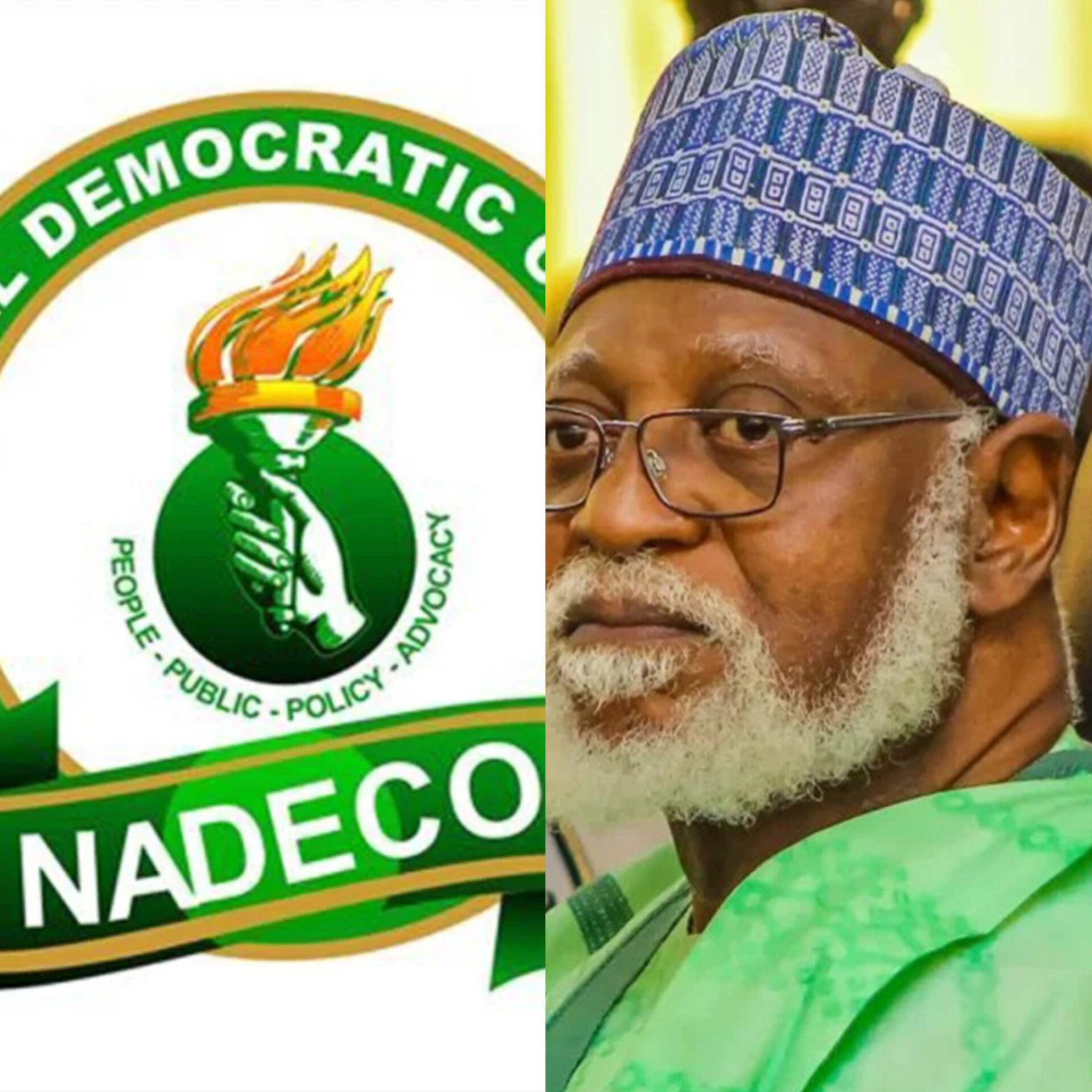
Former Head of State, Gen Abdulsalami Abubakar (rtd), has revealed that some pro-democracy leaders including members of National Democratic Coalition (NADECO), in private, advised him to remain in power with military regime when they became convinced that he was really bent on handing over power to civilian government in 1999.
He also disclosed that he dropped the transition programme of the late Gen. Sani Abacha for lack of credibility.
In a dramatic twist to the story of Nigeria’s democratic transition, Abubakar said the same coalition which strongly opposed military rule under Abacha, had later asked for more time for the transition process after realising they were not politically ready for the move to democratic governance, reports The Guardian.
This was divulged by the former military dictator in his autobiography, Call of Duty, which was launched on Saturday during celebrations to honour his 84th birthday in the Presidential Villa, Abuja.
He said most NADECO leaders were originally suspicious of his transition programme having seen repeated failed promises by the past military administrations.
But after they were sure that his government was determined to cede power on time, some of them came to him for an extension.
“Two or three months into my administration, some of the NADECO people realised that I was serious about the handover date,” Abubakar said. “They felt they had missed the boat and wanted more time to get their politics together. “They came as a group and asked me to extend the transition programme,” he said.
Abubakar claimed he turned down the request, saying he had already pledged to Nigerians and the world community to restore the country to democratic governance within the allowed timeline.
So he asked the NADECO leaders to fess up to it in the public to test the sincerity of their demand.
“I told them, if they write to me and publicly say they have asked for an extension, I will give them an extension. But they never did. “I knew they wouldn’t,” he said.
The ex-Head of State said pressure for military rule to continue also came from some foreign leaders who felt his administration had brought calm after Abacha’s death and the relaxation of political tensions and international sanctions. But he insisted he never considered prolonging his time in office because Nigeria had reached a critical juncture when a return to democratic rule had become unavoidable.
Abubakar who succeeded Abacha following his death said military officers were opposed to relinquishing control to civilians.
“Before he died, Abacha had declared a transition from military rule to democracy in Nigeria by October 1, 1998. Legislative elections had been held and winners notified. No governor elections yet. No one was certain about the presidential elections.
“Abacha was not a member of any of the five political parties and had not formally proclaimed his intentions, but the five parties had adopted him as their joint presidential candidate. The general expectation was that he would progress from Head of State to a civilian President,” he remarked.
About the Author