
The Nigeria Centre for Disease Control and Prevention (NCDC) has informed Nigerians that there are no confirmed cases of Ebola in the country even as it is monitoring the current outbreak in portions of Central and East Africa.
The agency said Nigeria remained on high alert following the epidemic in the Democratic Republic of the Congo, and a confirmed imported case in Uganda that has been connected to the same outbreak.
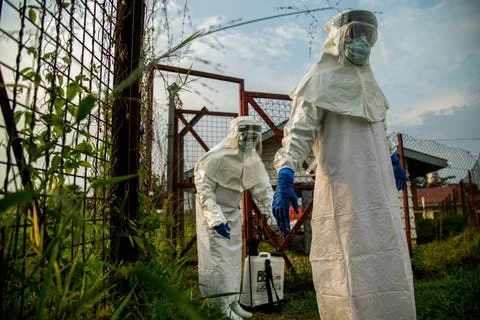
Health authorities in both nations have put in place emergency measures, including expanded surveillance, contact tracing, laboratory testing and infection prevention and control measures, in an effort to contain the spread of the virus.
“Such measures are critical to preventing further transmission,” officials said, “especially as cases continue to pop up in new locations.
The NCDC said it is working closely with port health services and state governments to boost Nigeria’s readiness and response systems. This includes surveillance at points of entry, strengthening fast response capacity and strengthening public health communication throughout the country.
The FDA stressed that early detection and prompt reporting remains the essential to averting any possible outbreak in Nigeria.
Ebola virus disease is transmitted by direct contact with blood or other bodily fluids of infected people or with contaminated items. Symptoms usually develop 2-21 days after exposure and include fever, weakness, vomiting and in severe cases, internal or external bleeding.
The NCDC has asked Nigerians to remain calm but watchful, maintain proper hand hygiene, avoid contact with sick persons and stop from handling or consuming bushmeat. It also asked the public to report immediately any unexpected diseases to the nearest health center.
Authorities highlight that knowledge and early response from the public are vital to prevent the disease from spreading.
About the Author