

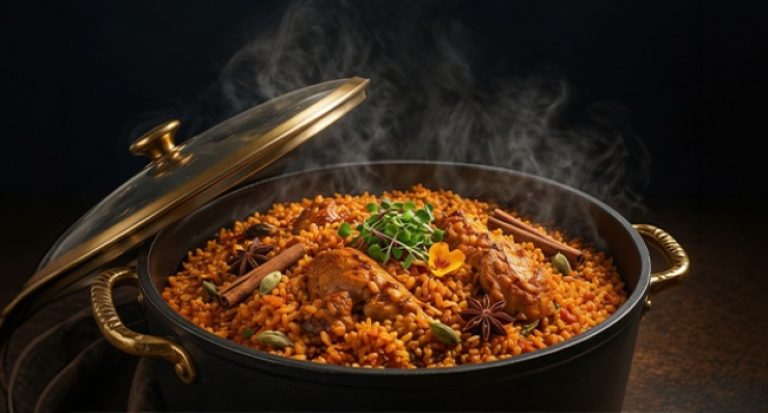
SBM Intelligence’s analysis shows a steep rise in the cost of living in Nigeria. The average price of cooking a pot of jollof rice soared to ₦30,435 in March 2026. This is largely due to global oil shocks from the Iran conflict.
The 19.4 percent rise over six months shows increased pressure on Nigerian consumers as fuel prices soar and transport costs ripple across food supply chains, the business said in its Jollof Index Q1 2026 report.
The crisis was precipitated by an escalation of hostilities between the US, Israel and Iran in late February that sent global crude oil prices over $110 a barrel within weeks, the study said.
Brent crude rose from the low-$70s to above $80 within days of the US and Israeli strikes on Iran on February 28, 2026, and then jumped to nearly $120 the following month. The Strait of Hormuz might as well be at the end of the block, as far as the Nigerian household is concerned.
“By mid-March, petrol in Lagos was almost double to N1,325 a litre and Abuja stations were posting N1,367. Diesel, the lifeblood of logistics, went above ₦1,500. It disclosed that “transport fares tripled in some routes.
Jollof Index
Nigeria is an oil producer but still heavily dependent on imported refined petroleum and quite exposed to global energy shocks, the paper said.
“The Jollof Index is a proxy for real household inflation as it tracks the cost of cooking a pot of jollof rice for a family of five,” SBM Intelligence noted.
“The national average cost of cooking a pot of jollof for a family of five rose by 19.4 per cent to ₦30,435, it said.
The research said the rise now means the cost of a single pot of jollof is more than 40 per cent of Nigeria’s minimum wage, highlighting the severity of the affordability situation.
Big Cities See Prices Spike
The impact was patchy but felt throughout the country.
The highest prices were recorded in Abuja, with the Wuse II market recording ₦36,750.
Lagos recorded the steepest monthly increase, with costs soaring by more than 23 per cent.
The largest six-month gain was in Port Harcourt, which climbed by 55.1 per cent.
The research blamed these hikes on increased costs of logistics, poor infrastructure and instability on routes used to distribute food.
The newspaper quoted data from the National Bureau of Statistics that headline inflation increased to 15.38 percent in March while month-on-month inflation more than quadrupled to 4.18 percent.
Food inflation was also high, especially in rural areas, where transit problems added to the upward pressure on prices.
The survey also detailed widespread coping mechanisms by Nigerians, including cutting down on meal quantities, switching sources of protein, and switching from gas to charcoal for cooking.
“Now I use smoked dry fish. “Meat is too expensive,” said a woman in Lagos to researchers.
Many households now buy food in small quantities, skip meals or resort to backyard farming to cope with costs, it said.
Nigeria vs Ghana: Different Roads
The research also compared Nigeria with Ghana, saying there was a stark discrepancy.
While Ghana’s food prices have steadied somewhat, food prices in Nigeria continue to increase substantially despite similar exposure to global shocks.
“Now, without the illusions of currency, Nigeria’s jollof pot costs $21.93 — up from $14.49 in 2023. The index reached its highest recorded level in March 2026, 151.3. Food inflation is not just rising but hardening quickly, the survey indicated.
The Iran war only exposed deeper structural flaws in Nigeria’s economy, including dependence on fuel imports, weak logistics infrastructure and insecurity in food-producing areas, SBM Intelligence added.
“The jollof pot has become the most honest ledger of policy failure and household resilience,” it said.
The business said immediate improvements were needed, including investment in transit infrastructure, strategic reserves and agricultural systems, to cushion future shocks.
About the Author