
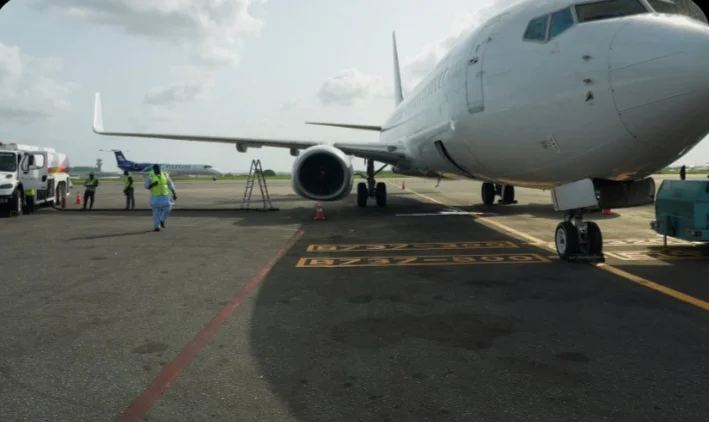
Nigeria’s aviation sector is coming under more pressure as a jet fuel crisis raises operational expenses for domestic carriers, while the scenario improves earnings for the Dangote Refinery.
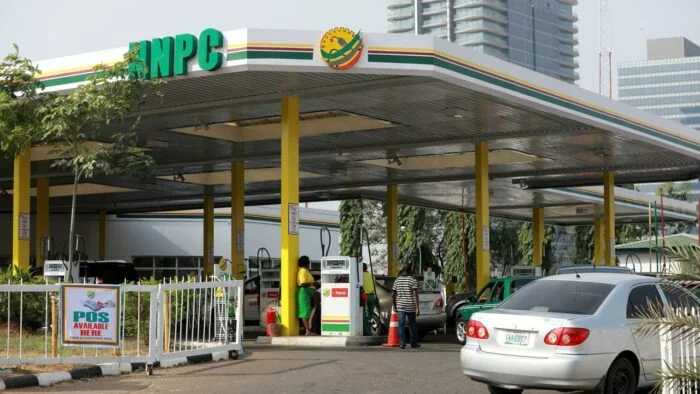
Jet fuel costs have soared around the world as the crisis, driven by global supply shortages related to the ongoing Iran conflict, has erupted. The effect has been particularly severe in Nigeria, where aviation fuel prices have nearly tripled to an average of roughly ₦3,300 per liter, squeezing local airlines.
Fuel represents up to 40% of airline running expenses in Africa and Nigerian operators have warned they may have to cancel flights if prices continue high.
Paradoxically, the same issue is proving very beneficial for Dangote’s refinery, which has become a key supplier of jet fuel locally and abroad. The refinery has been generating millions of gallons of aviation fuel a day since it expanded operations in 2026, much of it sent to Europe where demand has jumped despite shortages.
The refinery is leveraging larger margins abroad, where prices are higher, while it still supplies Nigerian aircraft, analysts say. It is sold domestically at an average 2.1 million litres a day but a bigger percentage of the produce is shipped offshore to earn maximum profits, reports show.
The circumstance brings to the fore a major issue in Nigeria’s deregulated gasoline industry where any rise in local production does not necessarily mean cheaper pricing for consumers. Even though it has Africa’s largest refinery, the aviation sector is nevertheless vulnerable to global price swings, because of geopolitical concerns and supply limits.
As the crisis worsens, the federal government has stepped in with relief measures, including debt relief for airlines and urgent talks with fuel marketers to stabilize prices.
Experts in the country’s aviation industry have warned that if the structural concerns of price and supply are not addressed, the sector might see a reduction in flight operations, increased ticket fares and even job losses. Meanwhile, Dangote’s refinery is expected to enhance its position as a worldwide petroleum provider, especially as Europe and other parts of the world continue to deal with shortages.
About the Author