
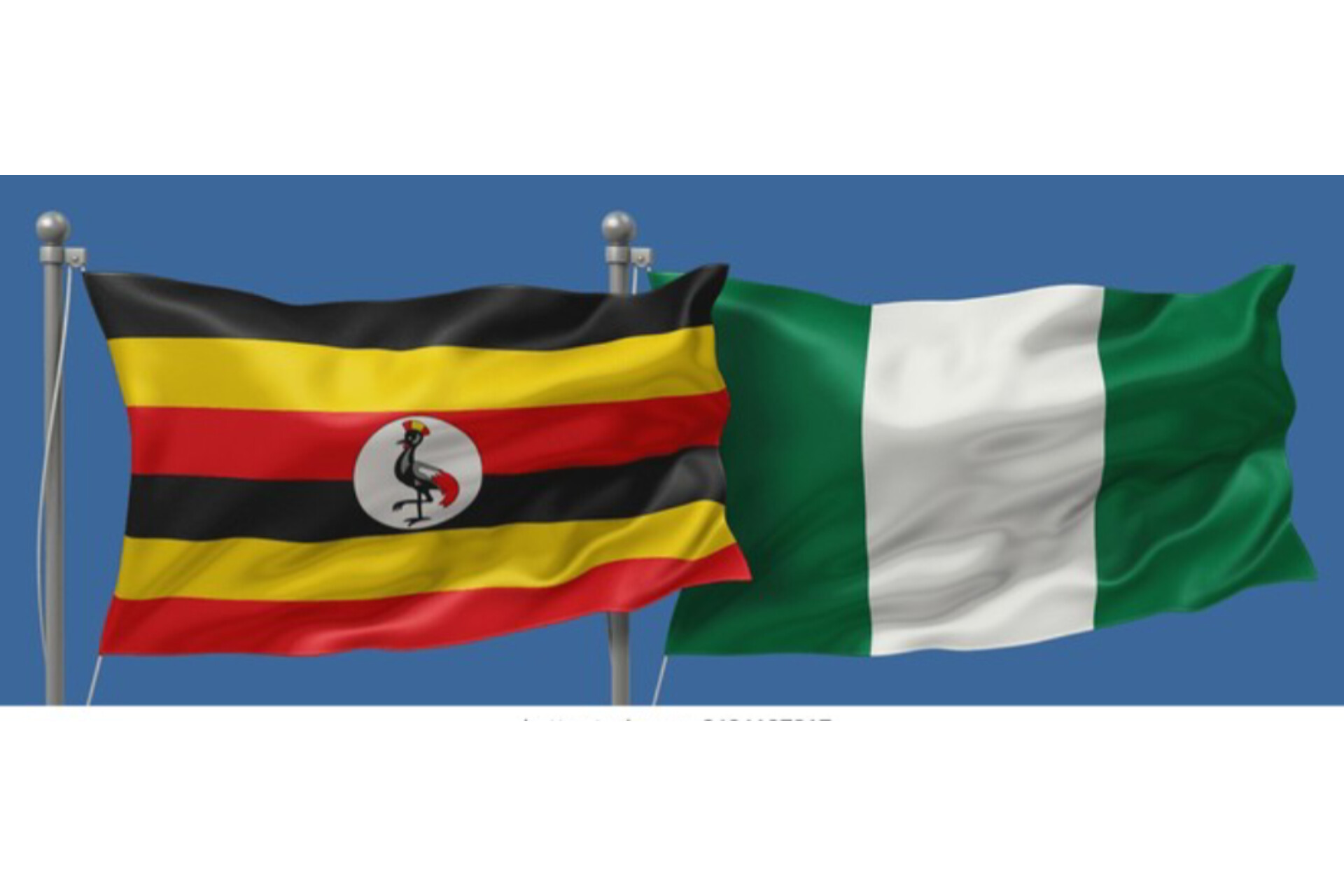
Uganda’s Ministry of Health has dismissed concerns that an Ebola outbreak is underway in the country after a case was confirmed in Nigeria.
The Federal Government yesterday confirmed an Ebola virus infection in the Federal Capital Territory (FCT).
The confirmed case in Nigeria comes as the DRC battles an ongoing Ebola outbreak linked to the Bundibugyo virus, with cases reportedly recorded in other nations, Channels TV reported.
Coordinating Minister of Health and Social Welfare Muhammad Pate confirmed via laboratory testing the imported case of Ebola virus sickness.
The patient is a woman who had just travelled to East Africa, specifically Uganda, and returned to Nigeria with symptoms on October 7, which got worse four days later, before tests proved the illness, Pate told a media briefing in the capital Abuja.
“The patient is now isolated and is receiving medical attention, contact tracing has started with forty-four contacts already identified as surveillance is heightened at the country’s entry points,” he said.
“A woman who recently arrived in Nigeria on an international flight from Uganda was admitted to a private hospital… where she received care for several days before the diagnosis was confirmed,” a government statement read.
“She is currently quarantined and under medical supervision.”
“The Ministry of Health, FCT Health Secretariat, Africa Centers for Disease Control and Prevention and other partners are working together to contain the infection and prevent its further spread,” Pate said.
He urged Nigerians to exercise calmness and vigilance and called on public and private health facilities to keep a high state of awareness. “Health workers must maintain a high index of suspicion for possible cases,” he said.
She urged the people to practise good hygiene, look out for signs including fever, weakness, headache and diarrhoea, and collaborate with public health professionals.
The situation was being managed and the government promised quick and transparent updates as efforts were underway to contain the infection, he said.
“The government is counting on Nigeria’s experience in containing the 2014 Ebola outbreak and the public health mechanisms put in place over the years,” the health minister said, adding that all identified connections were being traced and monitored.
However, responding to the report, the Ugandan ministry stated in a statement released yesterday that “the location of exposure is still being investigated”. “Travelling through Uganda alone is not sufficient to determine the location of infection,” it added.
It also stated the Nigerian government had not yet provided extensive information about the woman’s travel itinerary and clinical history, which it said would help guide additional investigations and any necessary contact tracing.
Following the incident, the Ugandan health ministry said it was working with appropriate agencies to beef up screening and public health controls at points of entry.
It said there were still limited exemptions for humanitarian and diplomatic travel.
Kenya confirmed its first imported case in early October and announced its ninth case yesterday. All nine cases were confirmed in one known cluster, the health ministry said. The eight remaining patients were responding well to supportive care.
The first Kenyan patient had journeyed from the DRC through Uganda to Nairobi. The development has sparked regional anxieties about the virus’s migration across borders.
Uganda likewise had Ebola cases earlier in 2026 but later proclaimed its outbreak over after going the requisite time without a new confirmed case.
Ebola is spread through direct contact with the blood, secretions, organs or other bodily fluids of infected people and with contaminated medical equipment. Symptoms may include fever, headache, extreme weakness, vomiting and diarrhoea.
About the Author