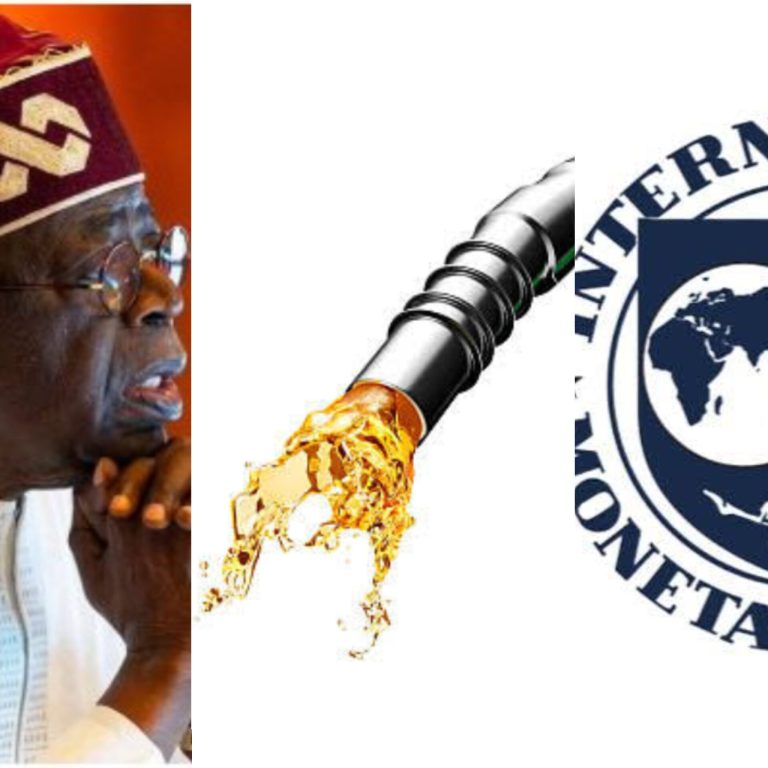

The International Monetary Fund (IMF) has cautioned against reintroducing a blanket petrol subsidy and advised targeted help for poor people to soften the blow of higher energy prices.
The Fund said blanket petrol subsidies are expensive, tend to disproportionately benefit higher-income customers and add to fiscal constraints in the face of growing borrowing prices, AFP reports.
Rodrigo Valdes, Director of the IMF’s Fiscal Affairs Department, said at a press briefing on the Fiscal Monitor during the 2026 Annual Meetings of the IMF and World Bank in Bangkok.
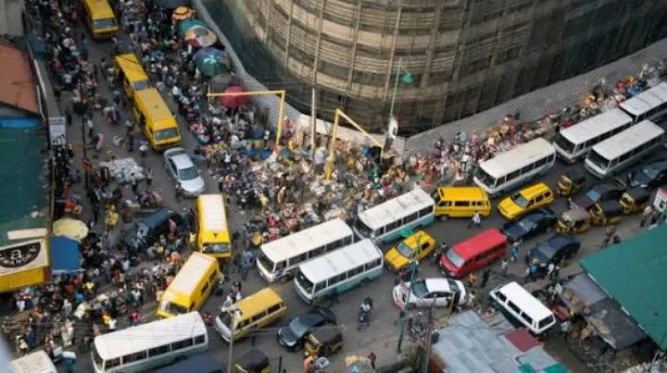
His remarks were in response to a question on how the Fund could recommend energy prices be allowed to reflect scarcity when higher fuel prices in Nigeria could raise transport costs, worsen inflation and deepen poverty, particularly as the government is under pressure to reinstate the petrol subsidy in the run-up to an election year.
“Protecting people is not the same as protecting the price of fuels,” Valdés stated.
Fuel subsidies or policies that prevented prices from completely responding to an energy shock have cost countries 1 to 1.5 percent of gross domestic product (GDP) in 2026, he said.
Instead, he added, the government should use social safety nets and household data to target those in need of assistance.
The Federal Government has announced a 30-day petrol discount at retail outlets of the Nigerian National Petroleum Company (NNPC) Limited, with priority for public transport operators, to cushion the effect of rising fuel costs.
About the Author