
The federal government has given the warning that the contractors handling the five legacy projects of the Bola Tinubu administration would be arrested and prosecuted by the Economic and Financial Crimes Commission (EFCC) and the Independent Corrupt Practices and Other Related Offences Commission (ICPC).
The Bureau of Public Procurement (BPP) has called on Civil Society Organisations (CSOs) to transition from monitoring the award of public contracts to tracking whether such contracts eventually provided the projects and services promised to Nigerians, says The Guardian.
Meanwhile, the Construction and Civil Engineering Senior Staff Association of Nigeria (CCESSA) has asked to President Tinubu to intervene promptly in insecurity, the rising cost of living and the issues facing the construction industry.
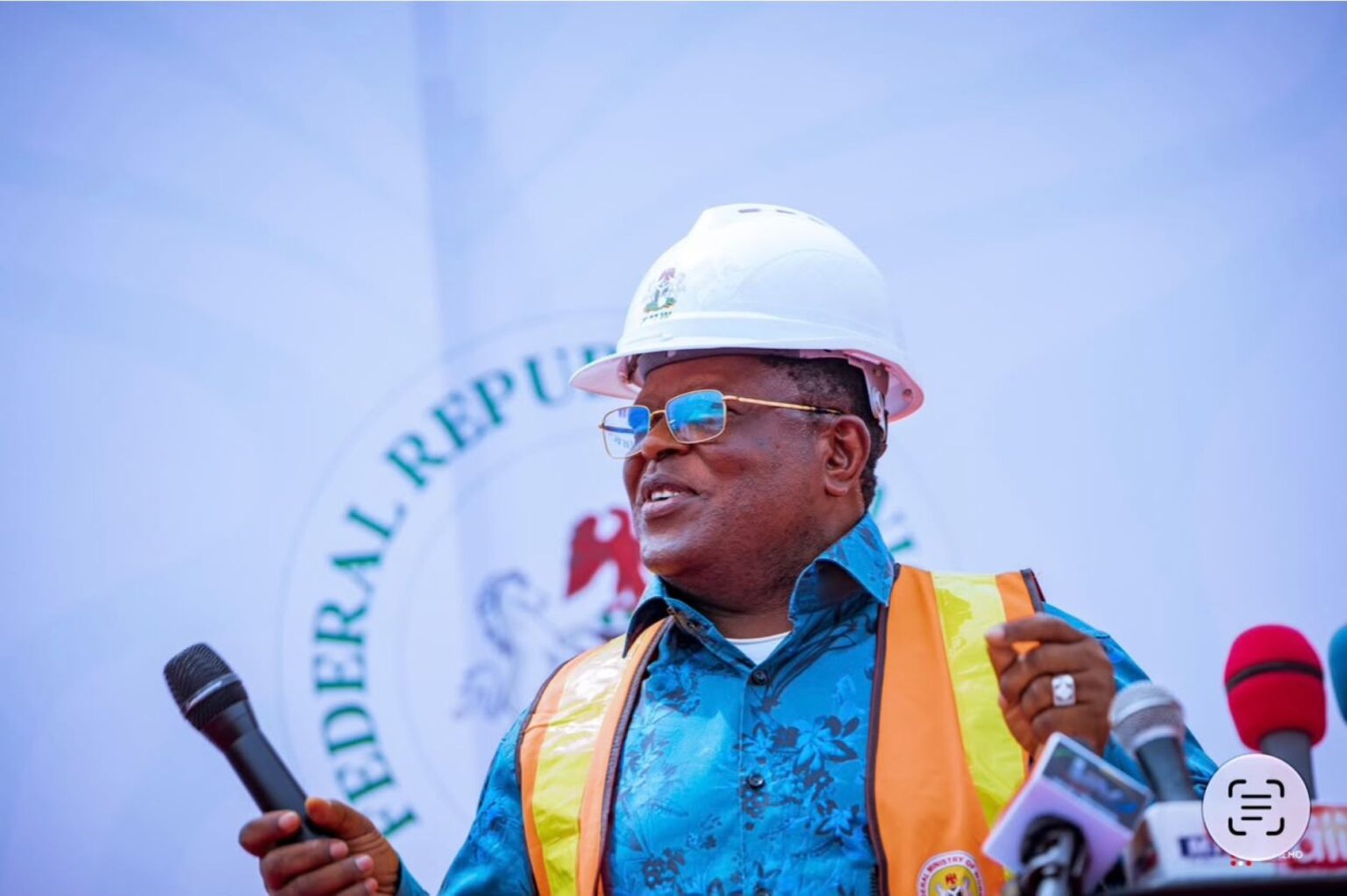
The Minister of Works, David Umahi, at a news conference in Abuja, yesterday said that the affected contractors who accepted mobilisation funds from the Federal Government, but failed to perform in equivalent terms, would not be allowed to destroy the government.
The neglect was attributed by the minister to the contractors’ decision to prioritise state-owned projects over federal programs despite ample mobilisation.
He had contractors that had collected payments to come back to site or risk recovery of the money via the instrumentality of the anti-corruption agencies who would be brutal.
Procurement responsibility should not end at knowing whether a contract was correctly granted, Dr Adebowale Adedokun, Director-General, BPP, has said.
CSOs should also follow projects from procurement planning and contract award to implementation and service delivery, especially those that directly touch communities, he said.
“At the end of the day, public procurement was about development and every procurement decision could impact hospitals, schools, roads, electricity supply, security, agriculture, employment and the quality of public services for the citizenry,” he stated.
BPP was looking for a more structured collaboration with civil society to improve transparency, accountability and citizen engagement in public procurement, Adedokun said.
He recommended the construction of a BPP-CSO Public Procurement Partnership Framework which will focus on five areas, including capacity building, access to procurement information and data, procurement and project monitoring, reporting and early warning, and citizens’ involvement.
CCESSA, in a communique issued at the end of its National Executive Committee (NEC) meeting, and signed by its National President, Dr Ayodeji Adeyemo and General Secretary, Sunday James, yesterday in Abuja, commended the federal government for its economic reforms and infrastructure development initiatives under the Renewed Hope Agenda (RHA).
But the group added that the reality facing workers and their families required urgent and continuous involvement to promote their welfare and defend their livelihoods.
CCESSA said the construction and civil engineering business cannot flourish in an atmosphere where workers, contractors, engineers, technicians and other professionals are vulnerable to dangers to their lives and property.
“We urge the federal government to intensify the fight against terrorism, banditry, kidnapping, communal violence and other forms of criminality. We also urge the government to improve its information gathering, inter-agency coordination and rapid-response capabilities.
“Government should ensure adequate security for major infrastructure corridors and construction sites and should not abandon communities in areas affected by insecurity to criminal elements,” it stated.
About the Author