
Noma is a fast-moving and frequently fatal infection of the face and mouth. It is increasingly affecting youngsters in northern Nigeria, with health professionals and humanitarian agencies reporting a troubling surge in cases amid increased poverty and instability in the region.
The disease, designated as a neglected tropical disease by the World Health Organization (WHO), begins as gum inflammation in malnourished infants living in polluted environments and rapidly destroys soft tissue and bone. It occurs predominantly in children aged between two and six years in deprived communities. Untreated patients have a very high mortality rate.
At the age of three, Ibrahim Dalhatu developed the condition. The eight-year-old has had six facial repair procedures since his first surgery in 2021 at Noma Children Hospital in Sokoto State. His father, Islamic teacher Muhammad Dalhatu, said he was relieved to find the therapy was free.
“I was very happy because I thought there was no solution to the disease,” stated Dalhatu. “I was worried about the cost of the treatment before but when I was told that it was free of charge, I was so happy.”
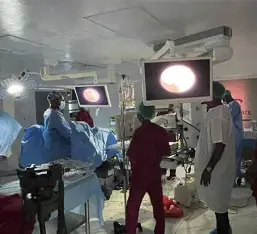
Doctors Without Borders (MSF) is performing the procedures as part of its wider campaign against neglected diseases in the region.
The WHO has not updated its global data on noma since 1998 when it estimated there were 140,000 cases per year and a 90 percent death rate. But a research in The Lancet Global Health in July, using data from the Sokoto hospital, counted more than 50,000 cases of noma across 12 states in northern Nigeria between 1999 and 2024. Experts say the disease spreads in a so-called “noma belt” across Africa from Senegal and Mauritania to Ethiopia.
“Noma is a polymicrobial infection that is opportunistic in nature and is driven largely by extreme poverty and severe malnutrition, and has been associated with over 100 different microorganisms,” said Yuka Makino, a WHO technical officer for oral health. The WHO has called the sickness a sign of abject poverty, while the UN Human Rights Council says the conditions that cause it are a violation of the human rights of the children affected.
The MSF Nigeria medical coordinator, Bukola Oluyide, said the organization is now witnessing a greater number of acute cases and is driving awareness campaigns to bring children into treatment earlier.
“We are seeing more acute cases of noma and we are moving more toward community awareness so that they can bring their children earlier to prevent tissue loss and the need for reconstructive surgery later in years,” Oluyide added.
Nigeria has more reported cases of noma than other nations, Makino said, partially because of its specialist hospitals and government-led reporting procedures that capture more cases than are usually recorded elsewhere. Requests for comment on government intentions to tackle the disease to Federal and Sokoto state health ministries in Nigeria were not answered.
Data analysed by The Associated Press showed more than 500 children were treated with noma at the Sokoto hospital between 2023 and 2025. Others are on a waiting list for surgery during the three annual sessions held by MSF for youngsters well enough to have the procedure. The main medical director of the Noma Children Hospital, Dr Abubakar Abdullahi Bello, said the rate of spread of the disease made it important for early intervention.
That’s quite worrisome,” Bello said. The disease destroys the tissues of the mouth in a short time. “If the patient doesn’t get treatment, it will eat up the tissue within two weeks of onset.”
Ibrahim is recovering well and is eating and talking regularly after surgery for a nasal fistula. Not every youngster is that lucky. There are just two hospitals in Nigeria that treat noma, one in Sokoto and the other in Abuja that was built in 2023.
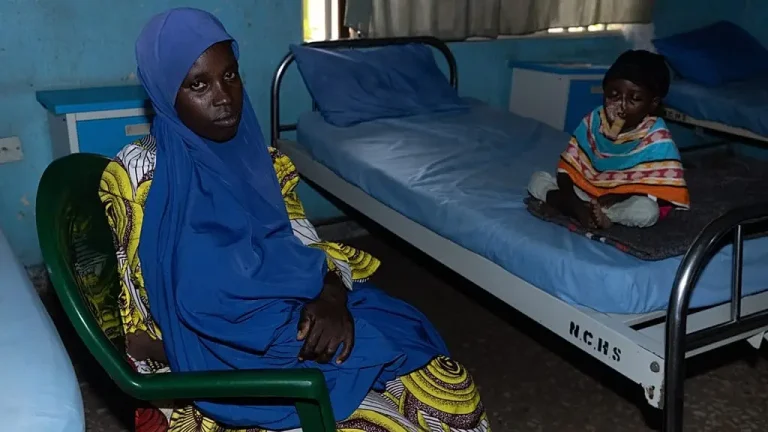
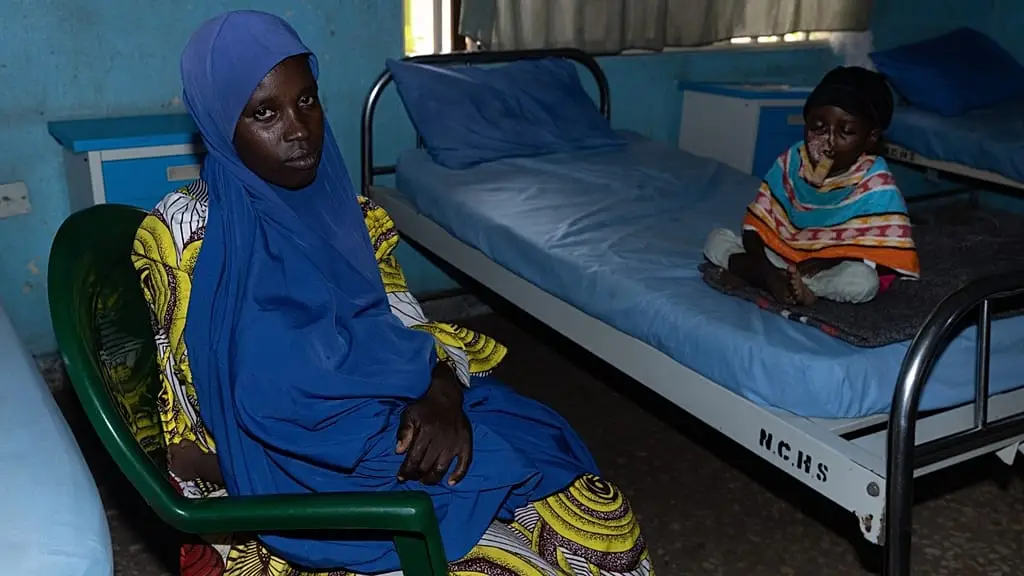
Maryam Sabiu’s kid, four, contracted noma in 2024. He is still waiting, too young for surgery. The sickness has eaten a hole in his cheek, going toward his eye, and he is in continual anguish, which his mother calms by frequently breastfeeding him, a habit that has brought its own pain and humiliation to her.
“I think one of the worst experiences of my life is how people would stop and look at my child,” Sabiu added.
About the Author