

It begins innocently. A name is not to be had. You enter a room and forget why you came in there. You have your phone in your hand, and you search for it for a few of minutes. The look of an old buddy is recognisable, but the name just can’t come. “It’s old age,” somebody remarks.
Such times have become too commonplace to question for millions of individuals, especially as parents and relatives enter their 50s, 60s and 70s, Saturday Vanguard reported.
But scientists are starting to view the ageing brain in a new light.
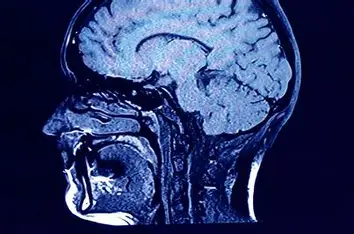
A new study has discovered a big biochemical change takes place in the human brain from around 50 to 75. Immune cells that have been present in the brain since early development begin to die off deep within the brain. They are replaced step by step by cells with higher inflammatory properties.
At the same time, cells that assist to maintain the brain’s protective barrier become less prevalent, and the highly ordered three-dimensional structure of DNA inside a number of types of brain cells starts to disintegrate. The finding is particularly interesting because the changes are happening much before most people would conceive of themselves as old.
For Nigerians, 50 is frequently a time of maximum responsibility, not withdrawal. There are children in university, aged parents to support, businesses to run, careers to manage and increasingly, ambitions to stay economically active into the 60s and 70s. Life is maybe changing faster than ever. But beneath all this the brain may be experiencing a significant shift already.
The findings, which appeared in Science, could provide insight into why ageing is the best-known risk factor for Alzheimer’s disease and other neurodegenerative diseases. This is not to say that 50 is a trigger for dementia. But that doesn’t mean every forgotten name is a red flag, either.
But it raises a question many families may want answered: when does normal forgetfulness stop being ‘old age’, and what exactly is happening within the ageing brain?
There are quite a lot of persons reaching middle age, and those who care for senior relatives, for whom this study gives a cause to pay more attention to brain health.
As we get older, it’s not only the body that changes – the brain also experiences significant biochemical transformations, many of which scientists are only starting to understand.
The brain possesses specific cells that protect nerve cells, sweep away waste from cells and respond to injury or illness. Microglia are the cells that are important for a healthy internal environment of the brain. But researchers have shown that this cellular workforce shifts dramatically at midlife.
Between about 50 and 75 years of age, the population of microglia that had developed during the embryonic stage plummeted, and cells with molecular traits mimicking immune cells normally found in the circulation gained prominence. The replacement microglia-like cells also displayed higher inflammatory properties.
The discovery challenges a long-held idea that the brain’s initial immune cells are the primary defenders of the brain throughout a person’s life.
It also raises the question of whether the shifting immunological milieu contributes to chronic inflammation and renders the ageing brain more susceptible to harm.
“Microglia are important for maintaining the brain,” said Bing Ren, one of the study’s corresponding authors. Toxic chemicals can accumulate when their basic activities fail, producing inflammatory responses that may contribute to neurodegenerative disorders.
For the average person it doesn’t mean everyone over 50 will have dementia, or that these altered cells inherently cause Alzheimer’s disease.
Instead, the finding provides scientists with a possible explanation for why the ageing brain may be more vulnerable to harm.
The study finds biochemical alterations but not that those changes cause disease in all elderly people.
The forgetting of older persons is easily attributed to old age in many homes. An ageing parent repeats the same inquiry again and over. A mother forgets where she put her things. An ancient relative forgets a name everyone knows.
A certain amount of forgetfulness is a normal part of ageing, but if memory difficulties continue, get worse or start interfering with day-to-day activities, they should be checked by a doctor.
The current research does not mean that the detected cellular changes are the cause of symptoms in any one individual. What it does accomplish is add to the ongoing scientific endeavour to understand the biological processes behind neurodegenerative illnesses.
The practical message for families is simple: don’t brush off major changes in an older person’s memory or behaviour as “old age” without more thought.
A medical assessment can assist discover potential causes and whether further inquiry is warranted.
The scientists also saw a huge reduction in the number of cells that help maintain the blood-brain barrier.
This barrier acts as a protective filter between the blood in the vessels and the brain tissue. It manages the passage of substances into the brain and helps to protect sensitive neuronal structures from potentially damaging compounds that are circulating in the blood.
“As we get older, the cells supporting this barrier may change and influence its function.”
The discovery is especially noteworthy in a country where older persons may also suffer from hypertension, diabetes and other chronic health issues, it said.
But the study could not identify how those factors impact the particular cellular alterations seen. Nor did it study a separate population. The results thus indicate an essential field for additional biological investigation.
“This study is an important step toward understanding how ageing alters the human genome in brain cells,” said Nathan Zemke, Director of Single-cell Genomics at the Center for Epigenomics at the University of California, San Diego.
And yet the study continues to be geared at discovering biological changes. It does not create a cure or show that lifestyle adjustments can reverse the genomic changes detected.
Anything you can do to safeguard your brain?
The study did not test specific lifestyle treatments or prove that any particular diet, supplement or exercise regimen will avoid the cellular changes it discovered, but the findings offer a chance to re-examine the established principles of staying healthy as we become older.
For middle-aged and older Nigerians, this means paying attention to blood pressure, blood sugar, physical exercise, sleep and other ongoing health concerns.
Regular medical checkups can help detect health problems that need treatment. These approaches should not be described as a proven method to halt the specific brain alterations documented in the study. Rather they are deemed preventive health care and that becomes in importance as we get older.
For now, the study provides a different picture of ageing. Brain ageing is not always a simple, gradual decline.
Immune cells, circulatory support systems and the organization of the genome are among the various biological systems that may alter concurrently between midlife and older age.
While scientists are working to understand what these changes entail, one thing must be stressed: brain health protection shouldn’t be a discourse that only begins when memory problems surface.
About the Author