

By Okojie Annabelle Ofure
September 10 2026
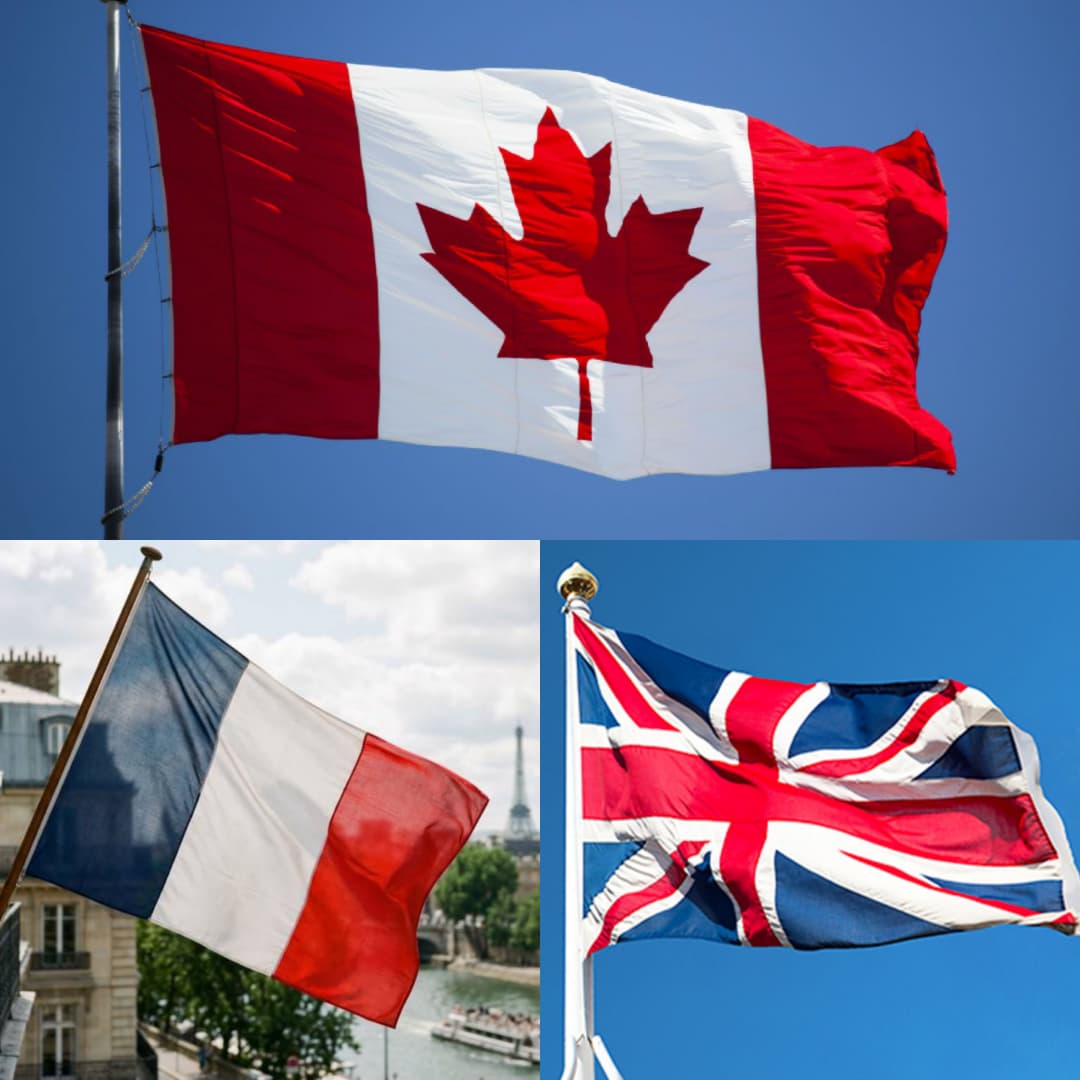
Britain, France and Canada have announced plans to ban trade in goods produced in Israeli settlements in the occupied West Bank, marking a significant hardening of their response to settlement expansion and violence against Palestinians.
The three countries joined nine other nations in backing restrictions on settlement-related trade, arguing that Israel’s policies in the West Bank are increasingly undermining the prospects of a viable two-state solution. The joint declaration was signed by 12 countries, including Denmark, Finland, Ireland, Norway, Poland, Portugal, Spain and Sweden.
Britain’s Foreign Secretary, Ed Miliband, accused Israeli settler groups of carrying out actions amounting to the forced displacement of Palestinians. He said the measures were intended to create consequences for settlement expansion while maintaining support for Israel’s security and a negotiated two-state settlement.
The move immediately triggered a diplomatic backlash from Israel. Foreign Minister Gideon Saar announced that Israel would close Britain’s consulate in East Jerusalem, exclude British representatives from the US-led Gaza coordination mission and halt British training programmes for Palestinian Authority forces. Israel also imposed entry restrictions on a number of British officials.
Saar rejected Miliband’s allegations as false, accusing Britain of interfering in Israel’s internal affairs. The Israeli government has consistently disputed international criticism of its settlement policy and rejects the characterisation of the territories as subject to an illegal occupation.
The sanctions primarily target goods produced in settlements, which include agricultural products such as dates, grapes, avocados and citrus fruits, as well as wine, Dead Sea cosmetics and other manufactured goods. Although the economic impact is expected to be limited because settlement exports represent a relatively small share of trade, the measures carry considerable diplomatic significance.
The joint action comes amid growing concern over settlement expansion and settler violence in the West Bank. The 12 countries said Israel’s continued settlement activity, including plans for development in the strategically important E1 area, was threatening the territorial continuity needed for a future Palestinian state.
The latest measures further deepen the strain between Israel and several of its Western allies, following earlier diplomatic and economic steps over the Gaza war and the Israeli-Palestinian conflict. They also signal a growing willingness among some Western governments to move beyond criticism and impose tangible economic consequences over settlement policies.
About the Author