
The Democratic Republic of Congo is confronting its worst-ever Ebola outbreak, with 6,041 confirmed cases and 2,911 deaths reported as of August 31, according to government estimates.
The fast-growing outbreak is being driven by the Bundibugyo strain of Ebola and has expanded through six provinces, putting immense pressure on an already frail healthcare system. Officials and foreign partners are battling to stem the transmission. The latest data come from Reuters and the Associated Press.
The current outbreak was initially reported in May 2026 in the Ituri province. The virus has since spread to a number of additional regions including North Kivu, South Kivu, Haut-Uélé and Tshopo.
The outbreak is the greatest ever reported in the Democratic Republic of Congo, the World Health Organization said, eclipsing a previous record outbreak of 2018-2020 that had 3,317 confirmed cases.
One of the major concerns for health authorities is the strain behind the outbreak.
The Bundibugyo virus is distinct from the Zaire variant that caused numerous previous large Ebola outbreaks. There is no licensed vaccine or particular therapy for Bundibugyo Ebola, but clinical studies and other medical research are underway.
But Congo has started administering the Ervebo vaccine, authorised against the Zaire strain, to protect front-line health workers under a compassionate-use program while researchers examine its effectiveness against the current virus.
The numbers continue to worsen at a fast pace, but there is some encouragement with more than 1,360 patients having recovered.
The outbreak is taking place in sections of eastern Congo already suffering from armed conflict, displacement and poor access to health care.
Many people have been forced to leave their homes, and migration across communities and across borders is hindering contact tracing and disease surveillance.
WHO had reported earlier that by the end of July, the outbreak had reached 49 health zones in five provinces, with Ituri accounting for the vast bulk of confirmed cases and deaths so far.
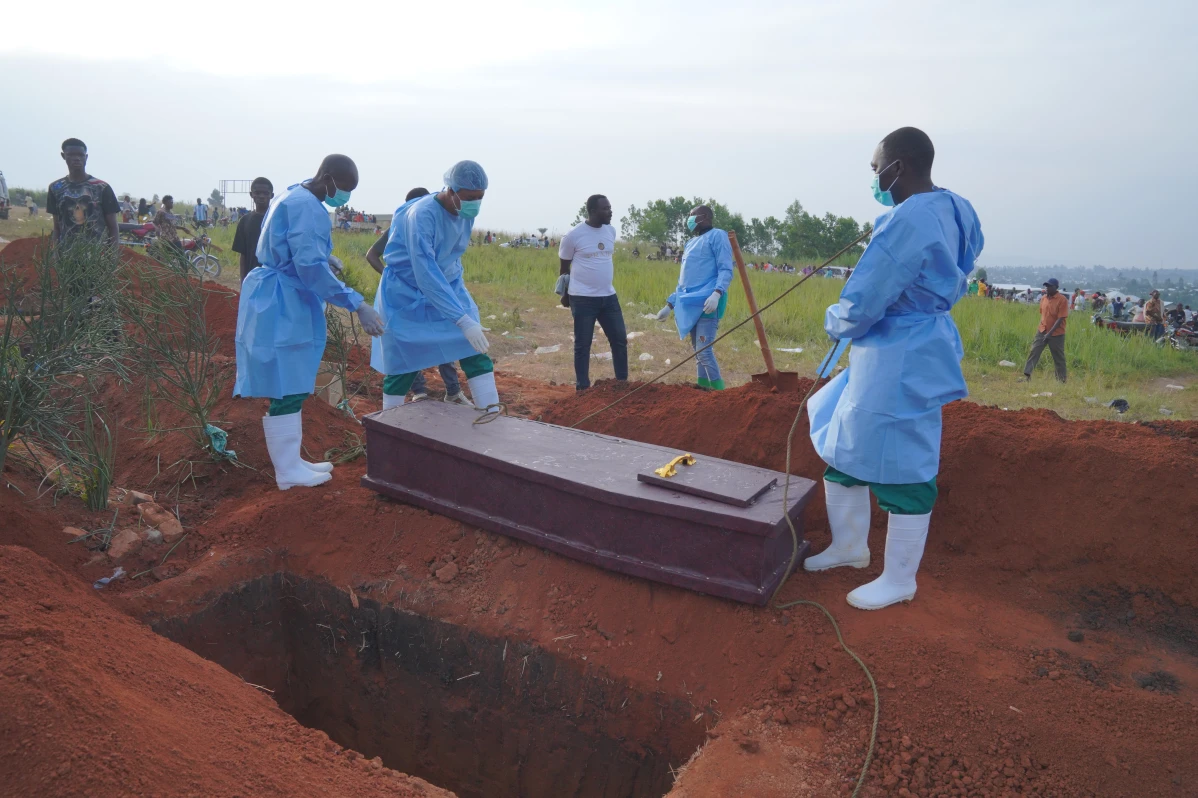
Health professionals too are at mortal danger. Ebola response teams have been attacked and confronted with insecurity and strikes by health workers have made it even more difficult to identify cases, isolate patients and carry out safe funerals.
The rapid expansion has generated fears that the infection could become an even bigger regional catastrophe.
Neighbouring countries have increased their monitoring and preparedness activities, especially on their borders with the Democratic Republic of Congo. Uganda, which also had Bundibugyo Ebola cases earlier this year, declared its outbreak over in July but remains at risk of imported infections due of ongoing transmission in Congo.
The Congo outbreak could eventually eclipse the 2014-2016 Ebola epidemic in West Africa that killed more than 11,000 people if transmission is not brought under control, the WHO has warned.
Authorities and international health agencies are trying to increase capacity for immunisation, surveillance, laboratory testing, contact tracing and treatment.
But experts say it will take more than medical resources to manage the spread. It will be crucial to build confidence with impacted people, protect health professionals and ensure response teams can safely access remote and conflict-affected areas.
The latest numbers reflect a tragic milestone for Congo, with more than 6,000 confirmed cases of infection and nearly 3,000 deaths in just a few months.
But with the virus still spreading and no licensed vaccine for the Bundibugyo strain, health officials are in an increasingly desperate battle to keep the outbreak from becoming even more disastrous.
About the Author