
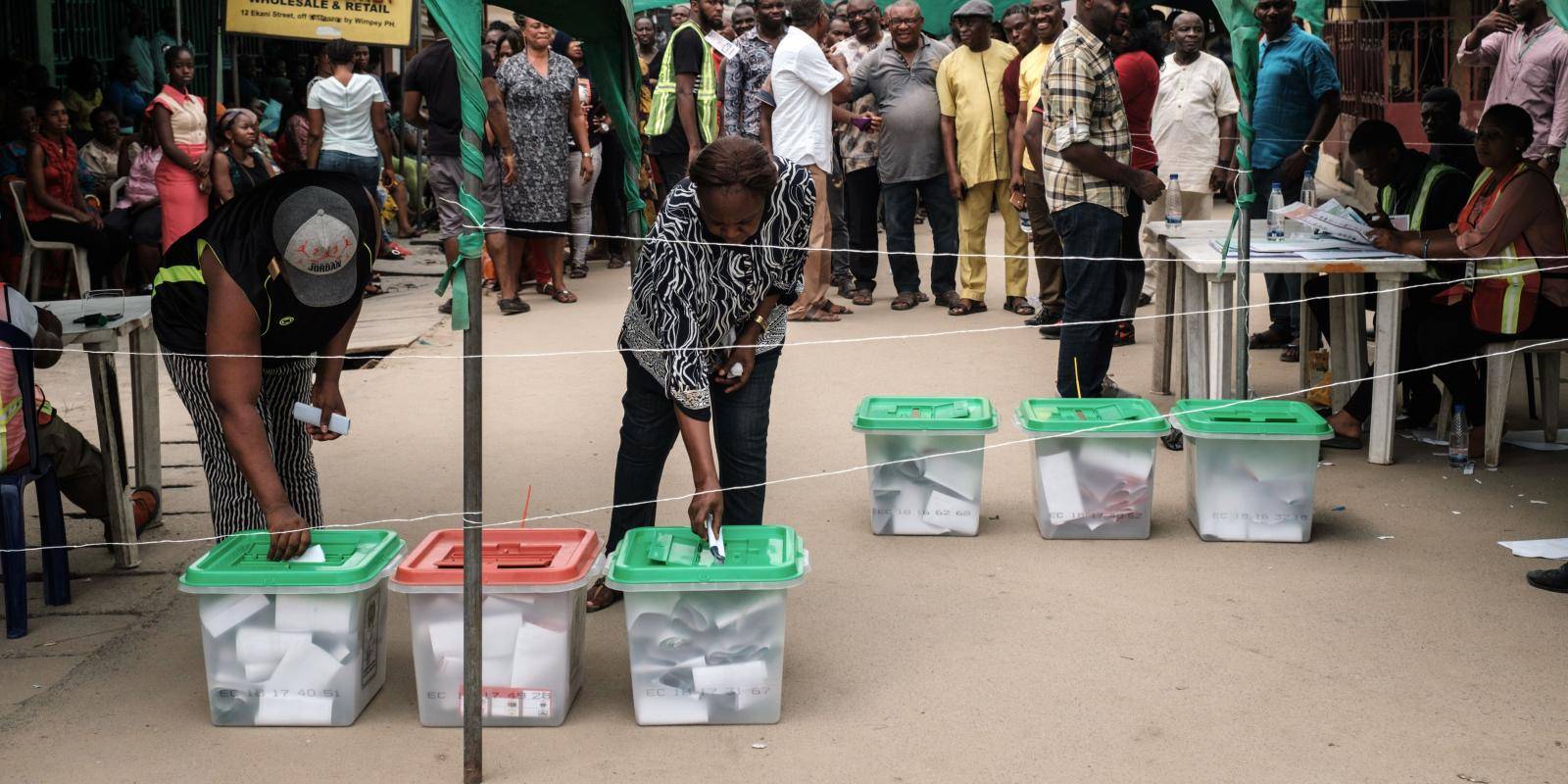
The Independent National Electoral Commission (INEC) has rescheduled the election of the next governor of Osun State to Saturday, August 15, 2026 from August 8. Country
Channels TV reported that 2,339,233 registered voters would vote for 15 parties in the election.
But beyond the ballot, this election represents a referendum on the essence of Nigeria’s civil service state.
1. The Party Twist: Party Vs. Personality
For the first time, a major party candidate is seeking re-election, but he is doing it under a fringe party rather than the one that elected him. The candidate announced his defection and emerged as the only candidate of the party at a primary in Osogbo, scoring over 140 votes from delegates from 30 LGAs. INEC has since ratified him as the candidate.
The question: Will Osun follow the guy or the party machine?
2. Zoning: the Unhealed Wound
Osun has three senatorial districts and six historical divisions: Osogbo, Ila, Ijesa, Ife, Ede and Iwo. Fact: Osun West (Ede axis) has produced the governor on two occasions and both times, the governor was from Ede town.
Since Osun was founded in 1991, neither Ife nor Osogbo Federal Constituency has produced a governor.
The strongest resentment is in Osun East — Ile-Ife, Ilesa and Ijebu-Jesa – with a voting population of nearly 600,000. That sentiment of marginalisation has been gently fuelled by the APC’s campaign.
3. The Federal State’s Power and the States’ Magic
The ruling national party suffered a hit in losing Osun in 2022. Strategically, get it back a year before the 2027 general election.
But one of the front-runners has a high personal approval, especially among young and women, and has maintained good relations with conventional institutions.
4. The real problem, debt, salary and survival
Osun’s economy is not industrialised. It is a pay economy. Osun was formerly one of the most indebted states in Nigeria with a debt profile of over N170 billion at one time and spent up to 91% of its federal allocation on debt service at one time.
Voters are still smarting from half-salary payments and pension shortfalls. In Osun, the final campaign slogan is to pay salaries promptly.
5. Gold and Cocoa: Prosperous State, Impoverished People?
Osun is home to the greatest gold resource in Nigeria. Itagunmodi and Imosan communities are gold towns. Ilesa,
But studies show that these once-bustling cocoa producing communities are now coping with the destructive effects of illegal gold mining.
Segilola Resources is Nigeria’s first large-scale gold mine and is located in Osun, however most mining in Nigeria is artisanal, unregulated and environmentally destructive. Youth unemployment and underemployment are still rampant and many young voters have little interest in farming.
Today’s Events
1. BVAS and IReV: In 2022, Osun was the first major test for BVAS. Now it’s testing if it can function in the isolated Ijesa hills without network issues.
2. Voter turnout: Less than 50% of registered voters voted in 2022. Will the weak organization of the Accord Party impede mobilisation?
3. Vote Buying and Security: Ife/Modakeke, Iwo and Osogbo are traditional flash areas. The EFCC and other security agencies have promised massive deployment.
The Bottom Line
Will it give Nigeria the first sense that in 2026 a personal brand may defeat entrenched party machines – a taste of things to come in 2027? Or will the Southwest come back fully to the center and show that budgetary considerations have won over populism?
About the Author