
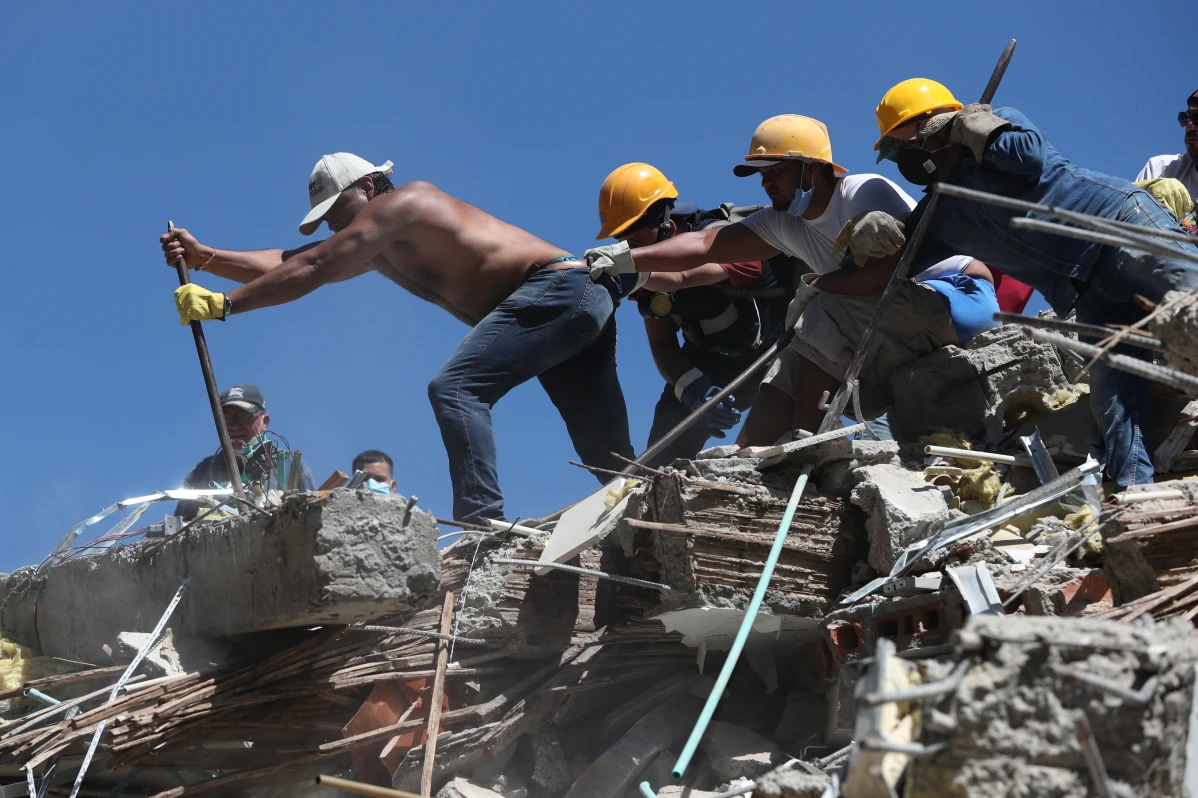
Soldiers, volunteers and rescue teams are racing against time in western Colombia as the search for thousands of people missing after a powerful earthquake enters a critical phase and presents the newly inaugurated President Abelardo de la Espriella with the first major crisis of his administration.
A 7.4 magnitude earthquake rocked western Colombia on Monday, causing significant destruction in many towns and villages.
Latest estimates say at least 181 people have killed and about 2,595 others have been injured, while civilian-run databases have logged reports of as many as 3,900 missing people. Officials said the numbers are still fluctuating as rescue crews get into some of the hardest damaged communities.
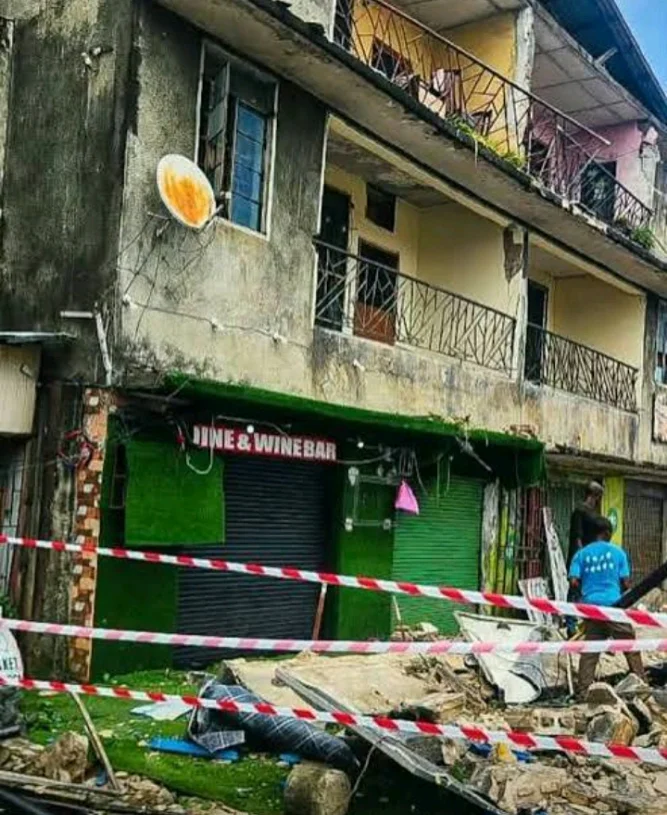
Cities like as Cali, Pereira, Manizales and Quibdó have sustained heavy damages while isolated areas of Chocó have faced additional challenges due to poor infrastructure, harsh terrain and the presence of armed groups. Some 1,136 homes have been demolished, reports say, with the village of El Cairo among the most impacted.
Rescue personnel continue to sift thru collapsed buildings as families urgently search for relatives still missing.
The operation has involved firefighters, troops, emergency workers and ordinary residents, amid shaky structures and damaged roadways.
Some authorities have implemented movement restrictions in parts of the country to allow relief activities to continue unimpeded. The size of the disaster has also put pressure on hospitals and emergency services.
The search is proving especially hard in Chocó, one of Colombia’s historically poorer and most isolated districts, where damaged infrastructure is hindering the flow of rescue equipment and relief supplies.
The earthquake hit mere days after Abelardo de la Espriella took over as president of Colombia, and was the first serious challenge to his authority.
His administration is struggling with the daunting task of organising the response in both crowded cities and outlying regions, and the new president has sent military and emergency personnel to help with rescue and relief efforts.
The quake is also challenging the government’s ability to respond to communities that have long complained of being neglected, especially in Chocó.
International aid has been pledged to the government, including a projected $15.5 million from the United States, as Colombia confronts the severity of the humanitarian situation.
Apart from the documented death toll, the most troubling aspect of the accident is the number of persons who are missing.
Some families have resorted to citizen databases to report missing relatives, with communication networks and transit linkages still down in parts of the impacted areas.
President de la Espriella has some important days ahead of him. His administration has to organise search and rescue operations, offer shelter and medical help, restore destroyed infrastructure and soothe a terrified people, all at the same time.
Authorities have warned that the full scale of the disaster may not yet be revealed, with aftershocks possible and rescue operations still under way.
But for thousands of Colombian families the urgent objective is achingly simple: to find their loved ones.
About the Author