

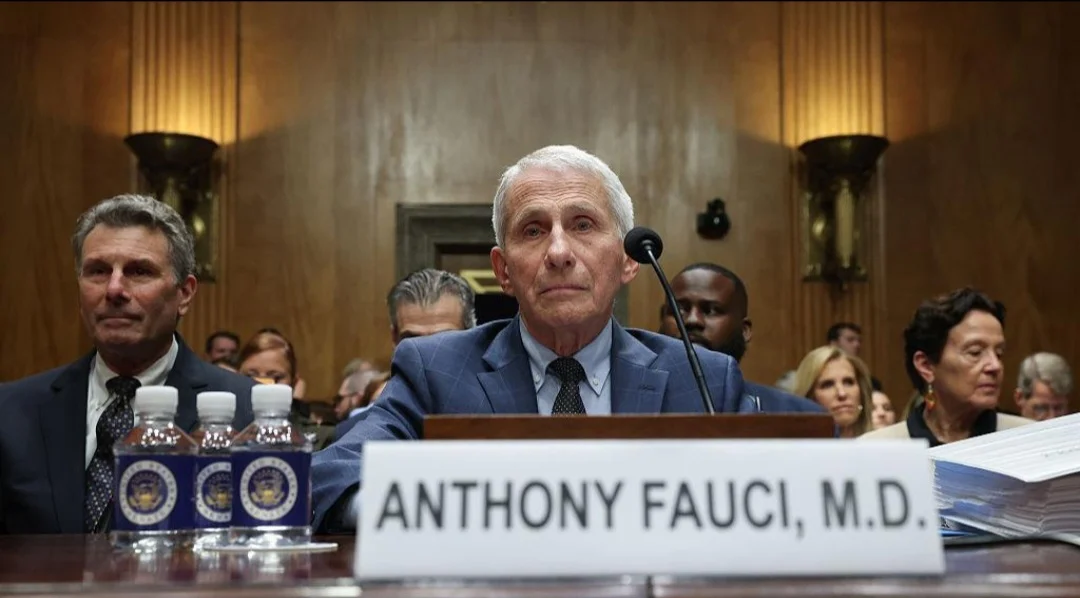
A Republican-led U.S. Senate committee is moving to a vote on whether to hold former top infectious disease expert Dr. Anthony Fauci in contempt of Congress for repeatedly citing his Fifth Amendment right against self-incrimination during a highly contentious hearing on the federal government’s response to the COVID-19 pandemic. The session, led by Kentucky Sen. Rand Paul, was the latest chapter in a yearslong legal and political battle over the coronavirus’ origins and how the United States responded to the pandemic.
Fauci, the director of the National Institute of Allergy and Infectious Diseases (NIAID), became one of the most recognisable public health professionals throughout the epidemic and was subpoenaed to testify before the Senate Homeland Security and Governmental Affairs Committee. But after taking the oath, he repeatedly cited his constitutional right not to self-incriminate himself on the advice of his legal team, refusing to answer more than 100 questions.
The hearing rapidly got contentious. Sen. Paul accused Fauci of lying to Congress and the public on matters like U.S.-funded research related to Wuhan, China labs, COVID-19 mitigation plans and the origins of the virus. Paul said that Republicans will try to get the committee to vote next week on holding Fauci in contempt of Congress, saying that his reluctance to answer questions impeded the committee’s investigation. The committee is made up of 8 Republicans and 7 Democrats, therefore the GOP has the numbers to move it forward.
In a prepared statement, Fauci justified his decision, calling the probe a politically motivated attempt to find a basis for prosecution rather than discover facts. He described Senator Paul’s campaign against him as a “obsessive vendetta” and claimed he had spoken extensively before Congress in past years, insisting his actions during the pandemic were based on the best scientific knowledge available at the time.
The session also became controversial when Senator Paul pulled one of Fauci’s solicitors from the hearing room when the lawyer tried to interfere during questioning. Democrats on the committee slammed the process sharply, saying the session was designed to gain political points, not conduct serious scrutiny. They maintained Dr. Fauci’s right to plead the Fifth Amendment and dismissed Republican charges that he deliberately mislead Congress.
The spat is particularly shocking because Fauci won a blanket presidential pardon in January 2025 from then-President Joe Biden for any acts he committed while serving in the government regarding the epidemic. Republicans have said the pardon does not preclude congressional oversight or require the committee to end its investigation, and legal experts have said witnesses may still invoke the Fifth Amendment in some instances if they believe they face a potential legal exposure beyond the scope of a pardon.
If the committee passes the contempt resolution, it would be the first step in a process that may eventually be forwarded to the whole Senate and perhaps to federal prosecutors for review. It is unclear if such a referral would lead to criminal charges and would undoubtedly be open to substantial judicial challenge.
The hearing highlights the persistent political divide over the COVID-19 epidemic, more than six years after the virus first emerged. Questions about COVID-19’s origins, public health measures taken during the pandemic and federal research funding remain highly controversial in Washington, with Republicans pledging to pursue investigations and Democrats accusing their opponents of trying to rewrite the history of the pandemic for political gain.
About the Author