
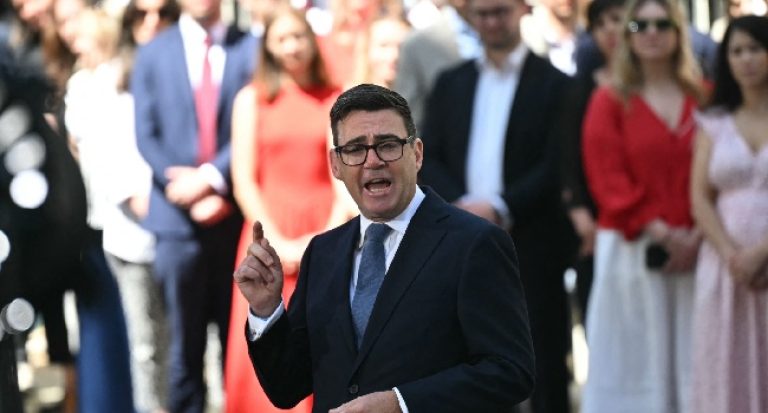
New UK Prime Minister Andy Burnham assumed power yesterday, firing his predecessor’s loyalists from the cabinet as he vowed a 10-year plan to address cost-of-living concerns and hinted a shift to the left.
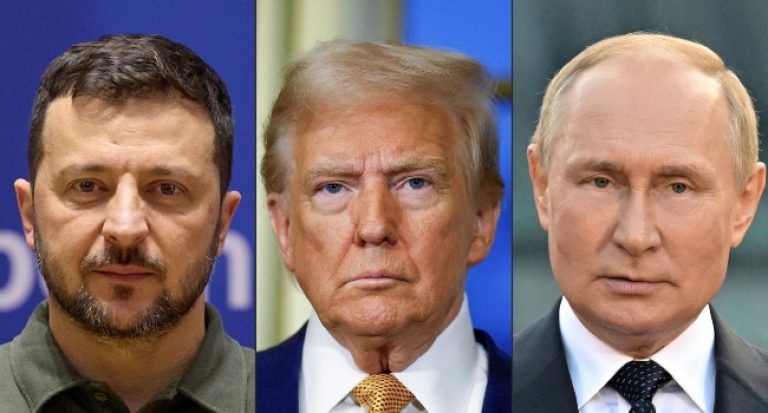
AFP adds that he went straight to work after replacing Keir Starmer in Downing Street, holding separate calls with US President Donald Trump and Ukrainian leader Volodymyr Zelensky before appointing his ministerial team.
Burnham, 56, met King Charles III at Buckingham Palace after Starmer stood down and vowed to re-industrialise Britain, devolve authority and stop sleeping rough on the streets when he became head of government.
Britain’s eighth prime minister in just over a decade and the fourth since he acceded to the throne in 2022, Burnham said the UK needs to show the world it could “regain stability”.
Burnham, with his wife Marie-France van Heel, was greeted by supporters, including his mother, with tremendous ovation in Downing Street.
Outside his new official residence at Number 10, he vowed to construct “a new political model” and “build a new economy.” Political Sciences
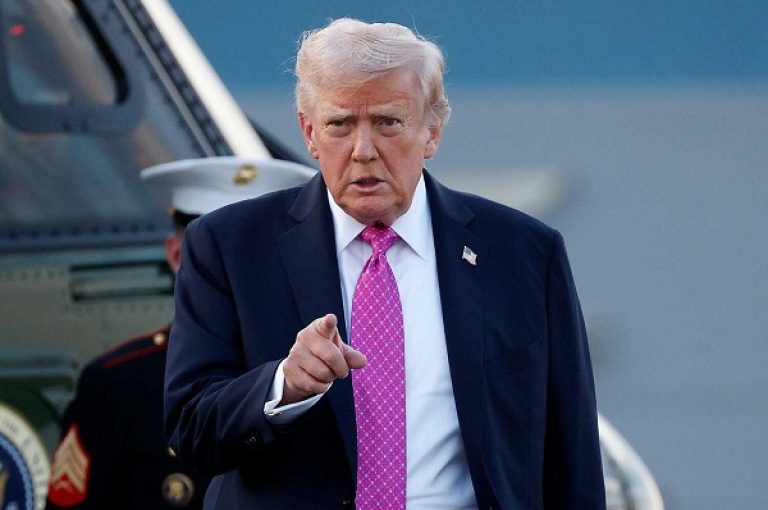
A UK government official said Burnham told Trump in his first contact that he was “committed to defence and security”.
Downing Street said he reiterated Britain’s “resolute commitment” to Ukraine in its fight against Russia’s invasion to Zelensky.
He also moved quickly to assert his control over the new government, dismissing a number of Starmer followers from his cabinet, notably Rachel Reeves and David Lammy, while shifting some ministers to different positions and boosting allies.
John Healey, the former defence secretary, succeeded Reeves as finance minister, Ed Miliband became foreign minister and Angela Rayner, the left-wing leader, returned to cabinet.
Wes Streeting, who dropped intentions to challenge Burnham for the Labour leadership, is now defence minister.
Shabana Mahmood was reappointed interior minister to drive through her tough changes of Britain’s asylum system.
Burnham did not give any details in his short statement, but said he will “bring forward a new plan for Britain, a 10-year plan”.
Similarly, Starmer had spoken of his desire to lead a “decade of national renewal” before Labour MPs dumped him last month in favour of Burnham, who returned to parliament just four weeks ago.
Burnham claimed he would “give people some breathing space now, some help with the cost of living”, which he said he would start to reveal today.
His first commitment would also be a promise to “end rough sleeping”, a move he tried to enact as a regional mayor in northern England, but was not totally effective, he claimed.
Other announcements included a vague pledge to reindustrialise Britain through public procurement and to develop more public housing.
He maintained his conviction that “in the 1980s Britain took some wrong turns” as he pledged to decentralise authority from Westminster and “put life’s essentials back under stronger public control to make them affordable”.
Starmer had previously left Downing Street with his wife, declaring his two years in power had made Britain “stronger and fairer”.
momentum
He leaves Burnham a raft of issues including a lukewarm economy, high government borrowing costs, a swelling welfare expenditure and irregular migrants arriving in small boats that have boosted support for the hard-right Reform UK party.
His premiership also risks being buffeted by uncertain energy prices over the US-Iran confrontation and unpredictable relations with Washington under Trump.
Burnham, who was an MP from 2001 to 2017, has limited scope to manoeuvre with huge public debt and rigorous regulations on finances requiring him to balance government spending against tax receipts.
Starmer led Labour to a huge election win in July 2024 after 14 years of Conservative control but his reign was blighted by a number of scandals, errors and policy U-turns.
Labour parachuted in Burnham, the ex-mayor of Greater Manchester nicknamed the “King of the North”, after Starmer resigned on June 22, with MPs seeing him as the party’s best chance of reining in Reform, led by Nigel Farage.
But his rapid “coronation” without a fight as Labour leader and now prime minister courtesy of Labour’s enormous parliamentary majority has prompted questions about how he can achieve his ambitions.
Opposition leaders have challenged his mandate and called for a snap election.
French President Emmanuel Macron, one of a slew of European politicians Burnham also spoke to on the phone, congratulated him and urged him to “give new momentum to the partnership” with the European Union.
About the Author