
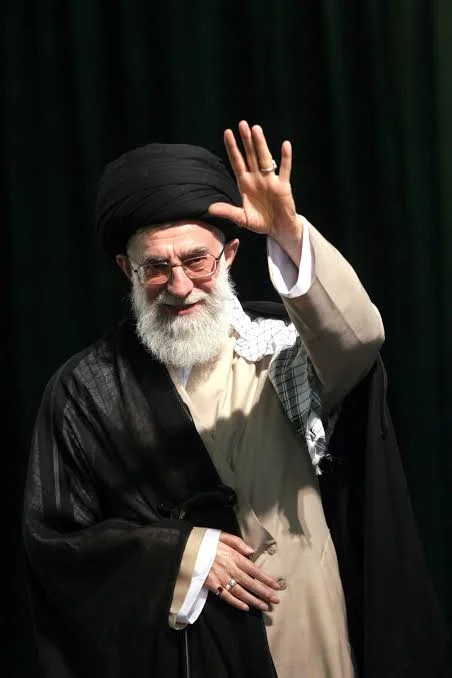
Iran has began a historic week of mass funeral rites for former Supreme Leader Ayatollah Ali Khamenei more than four months after he was murdered in a U.S.-Israeli bombing that ignited the Middle East war.
The remains of the 86-year-old Shah who ruled Iran for 37 years now lies in state at Tehran’s Grand Mosalla beside the coffins of his relatives also murdered in the same February 28 hit, including a 14-month-old granddaughter.
Officials said the rites are expected to gather between 15 million and 20 million mourners, making it the biggest state burial in Iranian history.
Hotels, schools and sports halls have been prepared to house attendees, while bus and rail networks have been rerouted for the activities.
Khamenei’s coffin, wrapped in a red flag and the calligraphy of “Ya Hussein,” was carried into the prayer hall as mourners in black pounded their heads in grief.
Parliament Speaker Mohammad Bagher Ghalibaf urged for a big attendance. “The nation’s call for vengeance must ring in the ears of the whole world,” he said.
Wartime dangers delayed the funeral, which now goes forward under a fragile ceasefire following a preliminary agreement between Iran and the U.S. struck in June.
Iran has warned of a “harsh response” should the US or Israel launch any strike during the rituals.
Some 100 countries are expected to send delegations, including the Pakistani prime minister, Shehbaz Sharif, delegates from China and Russia and leaders from Afghanistan’s Taliban.
Gen. Ahmad Vahidi, head of the Revolutionary Guards, made his first public appearance since the conflict started to pay his respects.
Khamenei has been succeeded by his son Mojtaba, who was apparently injured in the same attack and has not been seen in public since becoming supreme leader.
After ceremonies in Tehran, the remains will be taken to Qom and then to the holy cities of Najaf and Karbala in Iraq, before burial on July 9 in Mashhad at the shrine of Imam Reza.
About the Author