
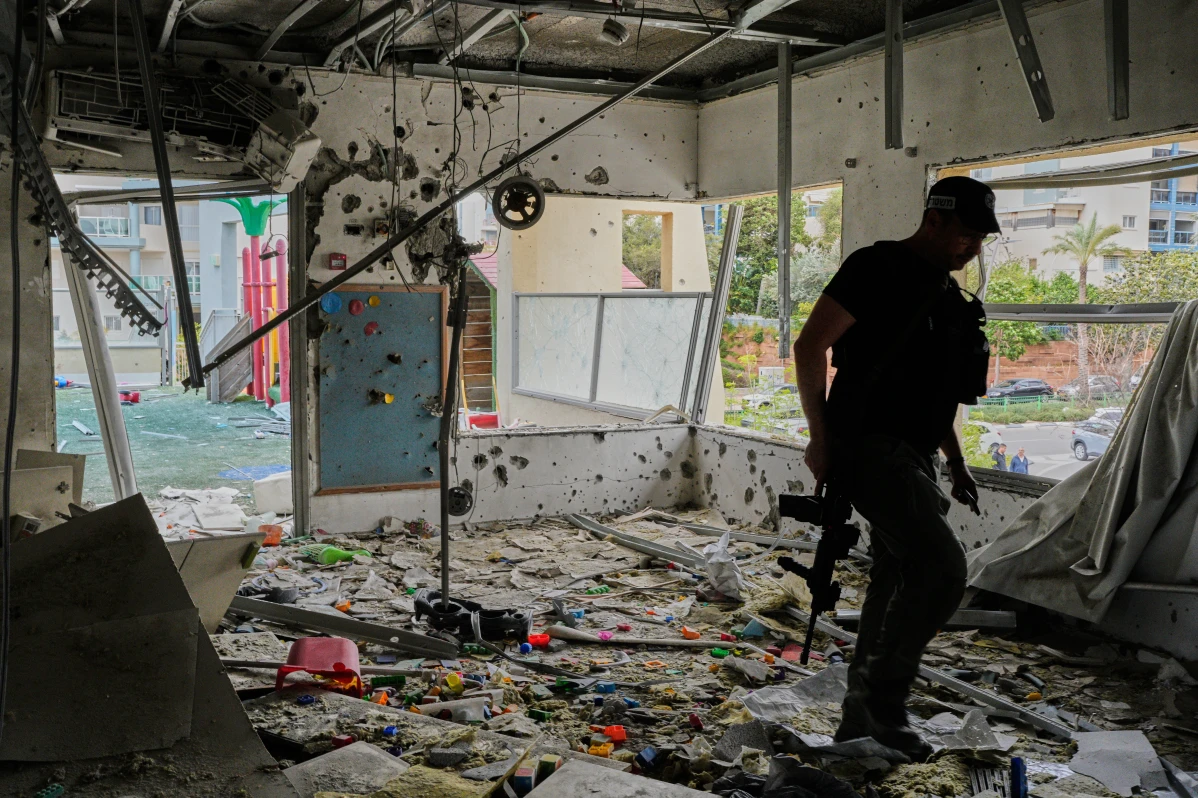
The ongoing war between Iran and Israel saw new violence early Sunday, as Iran launched attacks near Israel’s primary nuclear research center. Dozens of people were hurt, and fears of a larger regional escalation grew.
Reports say the missiles targeted places near the Dimona nuclear complex and the southern city of Arad. Rescue services said that around 70 individuals were hurt in Arad alone, and some of them were in bad shape. Many homes were also badly destroyed.
The Israeli military stated it had initiated retaliation strikes against sites in Tehran, which made the crisis much worse. It has already been going on for four weeks.
Iran said that if the U.S. or Israel attacked its energy facilities, it would hit back by attacking infrastructure in the region. The threat came after former U.S. President Donald Trump said that if Iran doesn’t reopen the strategically important Strait of Hormuz within 48 hours, the U.S. might hit Iranian power plants. Iranian officials called these threats provocative and promised to respond strongly if they were carried out.
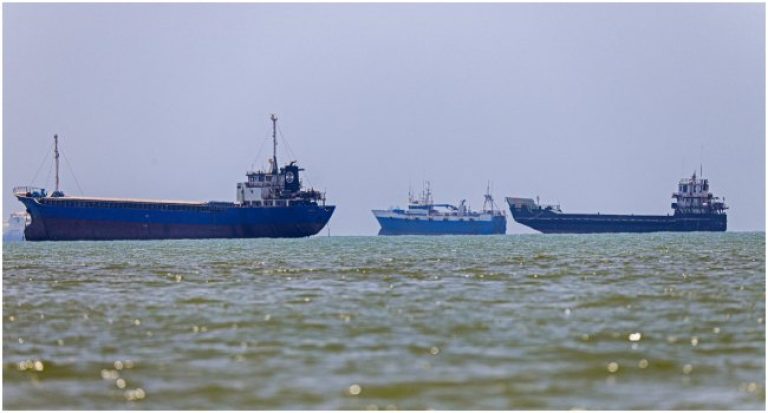
Saudi Arabia also said that its air defense systems shot down missiles and drones that were aimed at its territory, including regions near important oil infrastructure, and there were no reported injuries. A projectile hit near a commercial ship off the coast of the United Arab Emirates in a different event. The explosion happened, but the crew was not hurt.
Iranian official media said that the number of deaths in the country has gone over 1,500 since the battle started, which is a worrying sign for humanitarian reasons. Legal experts have also said that attacking civilian infrastructure like power stations could be against international law.
Benjamin Netanyahu, the Prime Minister of Israel, said that the situation was “a very difficult moment” as emergency services continued to search for and rescue people in the impacted districts.Iran-backed Houthi rebels in Yemen said they would join the fight if attacks on Iran get worse. They warned that this might lead to a worldwide oil supply and economic stability crisis.
There are no concrete indicators of de-escalation, even if there have been diplomatic signals, such as the U.S. temporarily easing restrictions on Iranian oil supplies. Both sides are still carrying out military operations. Experts say the battle could spread into a larger regional war that would have big effects on the whole world.
About the Author