
The Independent National Electoral Commission, INEC, has attributed the emergence of photos suspected to have been generated by artificial intelligence, AI, in its preliminary register of voters to irregularities allegedly perpetrated by some registration officers with access to its registration system.
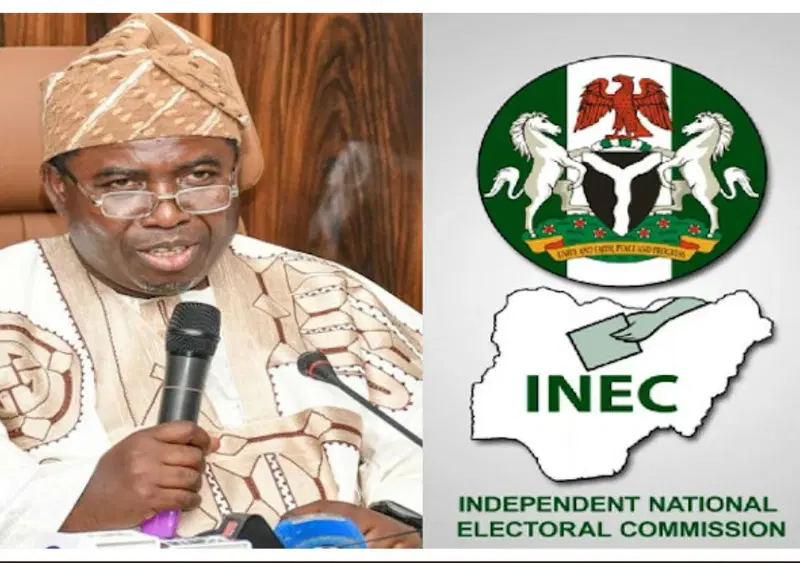
The commission’s Director of Information and Communication Technology, Dr Lawrence Bayode, confirmed this in an interview on Arise TV.
He said some registration officers in the country have utilised their login details to upload suspicious records into the voter database.
This follows public worries about the authenticity of the voter registration process, following the publication of its preliminary record by INEC, where some entries apparently had suspicious pictures and other abnormalities.
Some of the contested records were from a polling unit in the Etsako West Local Government Area of Edo State, where some of the photos appeared to have been created by AI.
The find sparked a flurry of internet responses, with concerns asked about how such photographs and other dubious documents managed to get through the commission’s registration procedure.
Bayode explained the circumstances around the entry, saying registration officers deployed across the country had login details that enabled them to access the system and register voters.
The Commission’s investigations had shown that certain officers had brought inconsistencies into the database, but he emphasised that the problem did not extend to all registration officials, he said.
“We have registration officers in the field. And these registration officers, they have the login data to log into the system.
“So what we have discovered is that some of these registration officers, not all of them now, some of them across the states nationwide, they’ve done different things to bring these irregularities on the register,” Bayode added.
The ICT director stated that not all of the problematic entries originated from AI-generated pictures; some were due to what he described as faulty registration procedures.
He said the commission’s review of the records discovered numerous types of abnormalities including pictures believed to have been made by artificial intelligence and images taken in wrongful manner of registration.
Some of these photographs are AI created. Some of them not ai produced, but really terrible registration “And this thing got into the register by the registration officers and because they have access to register people,” he continued.
According to Bayode, the Commission discovered the dubious registrations through its Automated Biometric Identification System (ABIS), which it used to analyse the registration database.
He said the method helped INEC to identify the faulty entries and how some of the irregularities took place, however he could not determine the motives for the officers’ actions.
“When we ran the ABIS on the system we saw these people. We know their deeds. And we know what they did. But, honestly, I don’t know why.” he added.
The information raises issues about whether registration procedures were followed and the safeguards in place to stop unauthorised or inappropriate entries from getting into the voter database.
But Bayode’s response did not speak to the intentions of the policemen allegedly involved in the errors, nor whether all the dubious records were finally cleared.
He said INEC had been trying to clean up the register before publishing the preliminary edition, adding that the procedure was being conducted within the required 90-day term.
The publishing of the preliminary register on Oct. 26 opened the disputed entries to the public and brought renewed focus on the commission’s protocols for collecting, verifying and preserving voter information.
About the Author