

The Registrar General and Chief Executive Officer of the Chartered Institute of Project Managers of Nigeria (CIPMN), Mr. Henry Ifeanyi Mbadiwe, has stressed the need to professionalise project management in all sectors as a strategic way of unleashing Nigeria’s economic potential, strengthening human capital and fast-tracking national development.
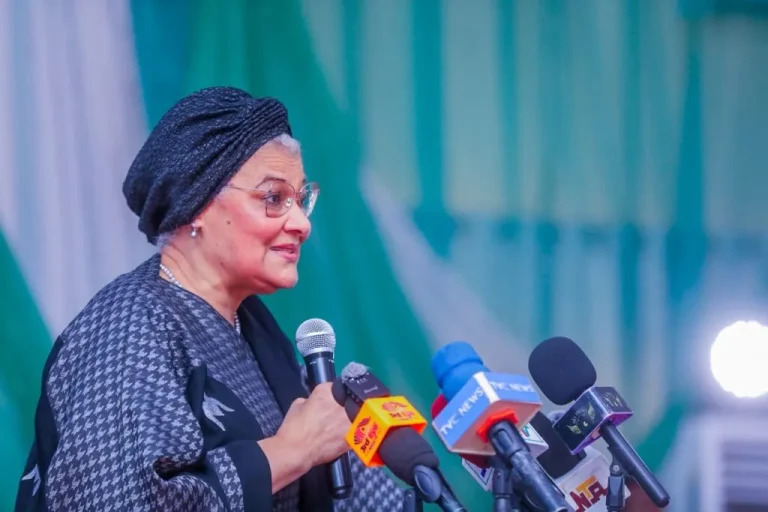
Mbadiwe said this at the National Industrial Manpower Summit 2026, which happened at the State House Banquet Hall, Presidential Villa, Abuja, with the theme: “Unlocking Nigeria’s Human Capital for Industrial Transformation: Building Skills, Driving Innovation and Creating Prosperity.”
According to a statement signed by the Head, Press and Public Relations Unit of CIPMN, Edeaghe Benjamin, ANIPR, sustainable national development and industrial progress depended mainly on good project delivery, qualified staff and adherence to professional standards.
He said project management was not only about administrative functions; it served as the foundation for infrastructural development, industrial expansion and successful execution of creative concepts.
The Registrar General of the CIPMN, Dr. John Kolawole, said that only by purposeful investment in professional competence, workforce development and enforcement of recognised standards across all sectors of the economy, could the country achieve real industrial transformation and sustainable prosperity.
“It will eliminate wastage of resources, reduce project abandonment and maximise return on investment on human capital by anchoring project delivery on standardised practices, transparency and accountability,” he stated.
Mbadiwe further explained that the institute is a Federal Government Agency under the supervision of the Federal Ministry of Industry, Trade, and Investment, formed by the CIPMN Act No. 3 of 2018 in Gazette No. 15, Vol. 105, signed into law by President Muhammadu Buhari GCFR.
Read also Dantsoho attributes Maritime sector turnaround to Reforms, Oyetola’s leadership
The Institute focuses on licensure and certification, regulation and supervision, training and professional standardisation as some of the important topics.
These programs aim to build competency, uphold ethical standards and provide practitioners with the expertise and abilities needed to successfully manage projects.
The vision of CIPMN continues to guide it, said Mbadiwe: “Through the professionalisation of project management, build a more sustainable future for the nation.” He reaffirmed the Institute’s commitment to the development of the nation.
The Institute would continue to work with government agencies, private sector companies and educational institutions to promote good project management techniques and enable sustainable development throughout the country, he said.
The Registrar General appealed to practising project managers, corporate organisations and public-sector institutions to ensure that their operations are in line with the applicable CIPMN statutory requirements and professional guidelines. He stressed that effective project management is critical in ensuring that investments in national development generate lasting economic and social benefits.
According to him, institutional collaboration, professional competence and accountability are still crucial to reduce project failures, improve resource utilisation and translate Nigeria’s development investments into meaningful benefits for the public.
According to Benjamin, the summit re-stated the commitment of CIPMN to the promotion of professional standards in project management in Nigeria.
About the Author