
Energy shortages and rising fuel prices are sparking protests in various nations, as the years-long US-Iran rivalry continues to disrupt oil supply and drive up energy costs around the world.
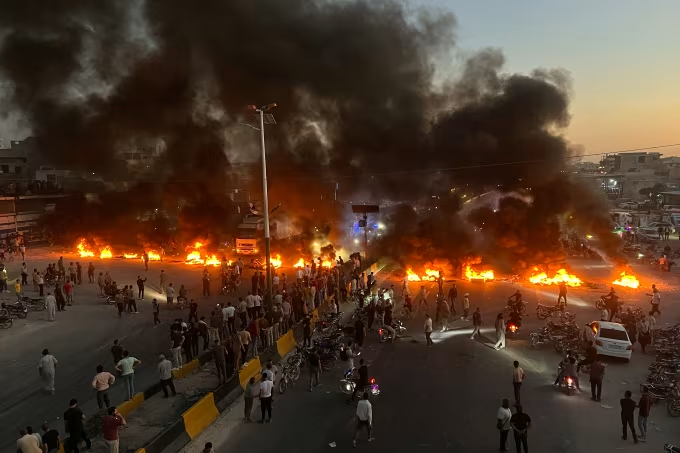
The latest turmoil has been reported in Syria where protests erupted after the government dramatically raised petrol and diesel prices. Protesters blocked highways and set fire to tires in many places, including Hama, Khan Sheikhoun and Maarat al-Numan. The Syrian government raised diesel prices by up to 40% and petrol prices by 28% citing higher global fuel prices and a revamp of the Baniyas refinery.
The protests are part of a broader trend of economic anger tied to the oil crisis. The Armed Conflict Location & Event Data project (ACLED) has recorded over 1,200 demonstrations across South Asia tied to the economic fallout from the Iran war, including protests about fuel shortages, cooking gas and rising living costs.
Demonstrations across South Asia surged from an average of roughly three per day before the conflict to around 15 per day over the period ACLED reviewed, it said. Pakistan, India, Nepal, Bangladesh, Sri Lanka and the Maldives have all had rallies or other demonstrations over the rising costs.
ACLED said Pakistan was especially vulnerable since it imported most of its oil, with more than 90 percent of oil and gas shipments transiting the Strait of Hormuz. The organization said three-quarters of protests in Pakistan about growing living costs had been directly linked to rises in fuel prices.
Consumers are feeling the pinch from disruptions to global oil flows. Brent crude jumped above $100 a barrel on September 9 for the first time in six weeks, as conflict between the US and Iran continued and energy infrastructure was attacked, raising fears over supply from the Middle East. Brent has risen almost 25% since early August, according to Reuters.
The energy industry has also been damaged by Saudi Arabia interruptions. Saudi Arabia halted several September oil cargoes to Europe after attacks damaged its East-West pipeline and prompted suspension of loadings at the Red Sea port of Yanbu, Reuters reported on Sept. 15. Brent futures were at roughly $108 a barrel while some prices of actual crude in Europe were at over $122.
The disruptions are especially serious as the Strait of Hormuz is a vital artery for the world’s energy supplies. Reuters calculated that around 10 million bpd of oil remained offline because of the conflict and related disruptions, or nearly 10% of global oil demand.
With oil prices up transport and industrial costs are being passed on, heightening fears about inflation and family expenditure. Consumers in other nations are paying more for petrol, diesel and cooking-gas, while diesel prices in the United States have also soared to record levels amid the broader fuel constraint.
The International Energy Agency has called the impact of the fighting a “unprecedented shock to the global energy system” and has co-ordinated emergency steps to boost available supply.
As the fighting drags on and vital energy links remain insecure, governments face increasing pressure to protect consumers from future price spikes. But for many countries heavily reliant on imported fuel, the combination of higher energy costs, inflation and shortages is increasingly a source of public unrest.
About the Author