
Iran has warned the United States of a “devastating” retaliation if Washington acts on its new vows to increase economic pressure on Tehran.
The warning comes as the administration of US President Donald Trump prepares to enforce what Treasury Secretary Scott Bessent has called the worst sanctions in American history, with Washington attempting to cut off Iran’s remaining economic lifelines and force its leadership into submission.
Iranian authorities on Friday criticised the US policy, saying decades of sanctions had not forced Tehran to change its views.
Iranian military and political authorities warned of a harsh response to any further actions by the United States, according to Reuters. Tehran has denounced Washington’s campaign as another attempt to undermine Iran economically and politically.
The escalation comes after Trump announced a huge economic assault against Iran and those that continue to trade with Tehran. President Donald Trump has threatened fines against Iran’s commercial partners as Washington works to further financially isolate the country.
The effort might have wide-ranging ramifications for countries that are major purchasers of Iranian commodities, particularly China.
The economic confrontation is happening alongside ongoing tensions over the strategically vital Strait of Hormuz, through which a large portion of world oil and liquefied natural gas shipments regularly flow.
The conflict has seen a dramatic decline in shipping activity in the waterway. Reuters said just seven commodity ships passed through the Strait of Hormuz on Thursday, down from 14 the day before, and none of the vessels recorded were huge crude-oil carriers or LNG tankers.
See also: At least 30 Yemeni troops killed in Houthi strikes: security sources
The disruption has already helped push up oil prices. Brent crude soared to nearly $93.86 a barrel on Friday and US West Texas Intermediate (WTI) increased to $86.99 as markets reacted to the likelihood of additional Iranian export bans and wider supply disruptions.
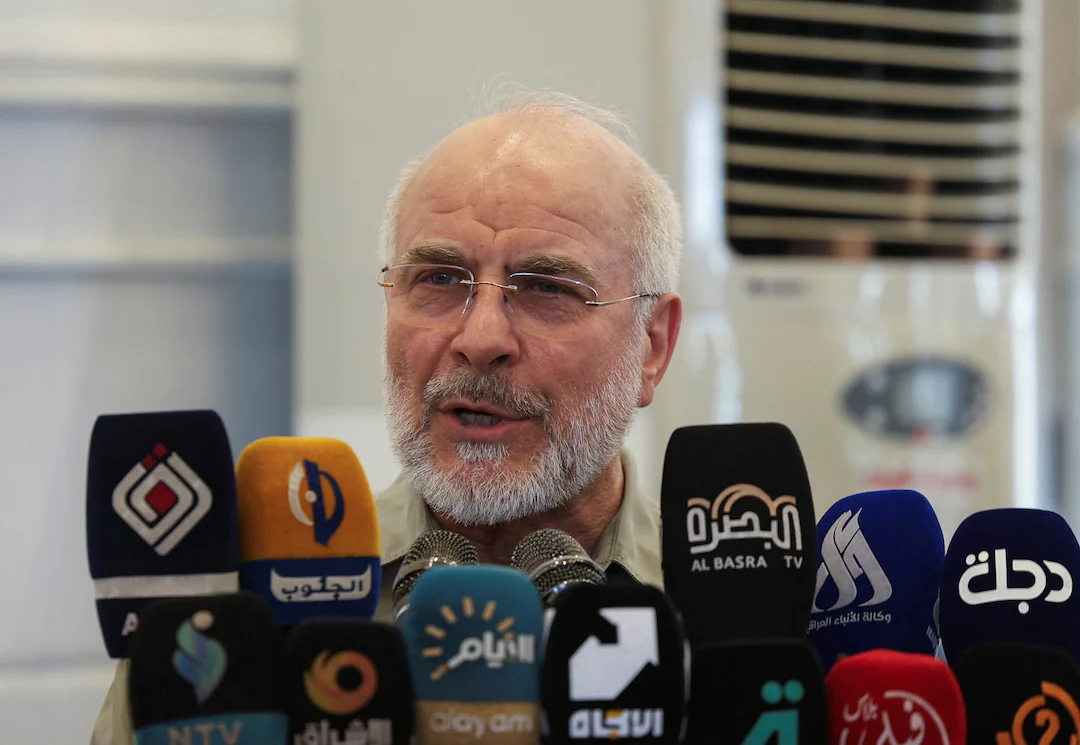
Iranian authorities however have acknowledged the increasing economic burden on the country. Iranian Parliament Speaker Mohammad Baqer Qalibaf warned that Tehran must find ways to circumvent what he called “unjust sanctions,” while other leaders have emphasised the necessity for economic resiliency.
Ordinary Iranians are also feeling the pinch. With rising inflation, the instability of the local currency, job losses and shortages, basic needs have become increasingly difficult for many households to afford. Inflation could reach around 70% as the economic crisis deepens, the Associated Press said.
Despite the worsening economic position, Tehran has warned it would not just cave in to Washington’s demands.
Iran’s Foreign Minister Abbas Araghchi described Trump’s latest economic campaign as a continuation of prior pressure measures, but Iranian officials warned further escalation could have ramifications beyond Iran’s borders.
The stand-off has also prompted fresh fears about global energy supplies. Further disruption of shipping via the Strait of Hormuz would put extra pressure on oil markets and expenses for countries dependent on Middle Eastern energy.
The recent showdown threatens to spark yet another hazardous chapter in the already explosive US-Iran relationship, with Washington demanding unprecedented economic pressure and Tehran predicting a “devastating” response.
About the Author