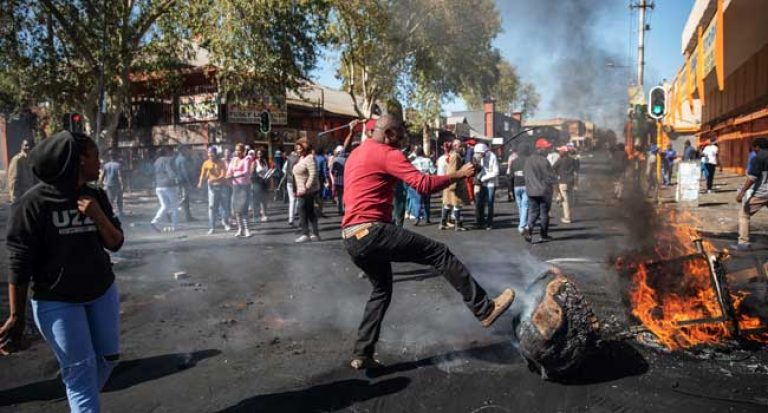

A number of South African cities ground to a virtual halt on Tuesday as authorities, business and citizens prepared for statewide anti-migrant protests that have fanned fears of widespread violence and fresh xenophobic attacks. Shops shut, public transport systems were affected, schools ceased activities in certain regions and many workers remained home, while police and security personnel stepped up deployments across.
The protests were organised by anti-immigration groups including the so-called March and March campaign which has imposed an unofficial June 30 deadline for undocumented migrants to depart South Africa. Organisers say the marches are meant to be peaceful but government officials and humanitarian organisations have expressed fear that the protests could spark attacks akin to past outbreaks of xenophobic violence.
The biggest interruptions were observed in major cities such as Durban, Johannesburg and Cape Town. Many businesses opted to stay closed as a precaution and buses were withdrawn in some locations for security reasons. Community leaders asked locals to avoid unnecessary travel and shopping districts that are usually packed with activity seemed oddly quiet.
South African police initiated a statewide security operation, deploying more policemen to important public locations, transport hubs and commercial districts. Defence officials also put the military on readiness to reinforce police if the situation worsens, with helicopters and emergency response teams poised to respond quickly to any outbreaks of violence or looting.
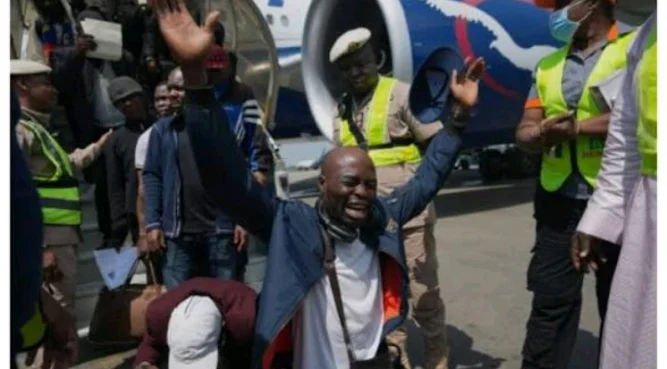
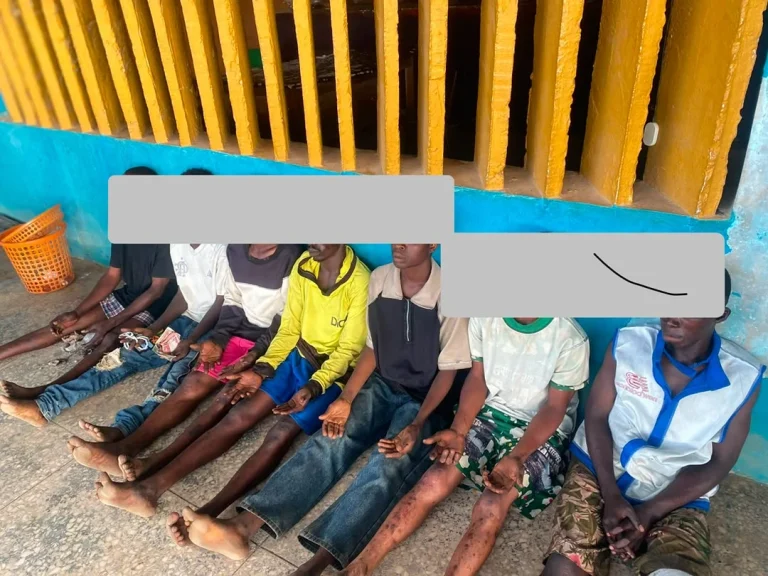
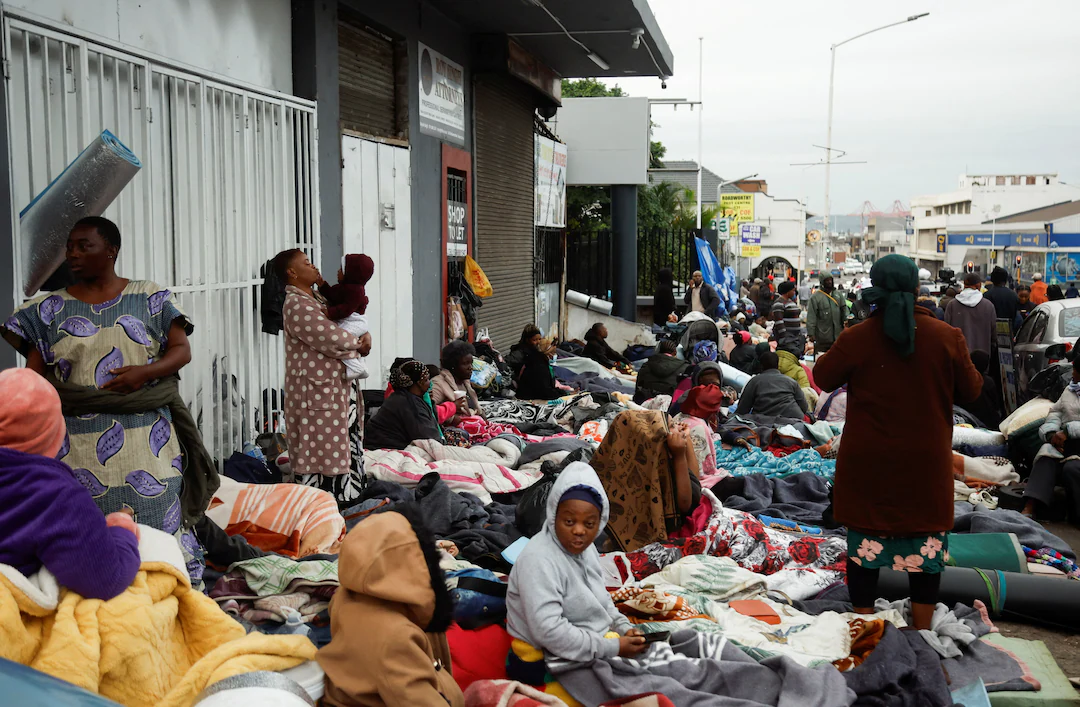
Rising tensions have already led to the flight of thousands of foreign nationals. Migrants from countries like Malawi, Zimbabwe, Mozambique, Nigeria and Ghana have sought sanctuary in temporary shelters or gathered outside their embassies and consulates while waiting for evacuations or transit home. Undocumented migrants are fleeing possible attacks leaving behind spouses and children, separating many families, aid officials said.
See also AU Summit: Shettima Meets with African Leaders as Ndayishimiye Replaces Lourenço
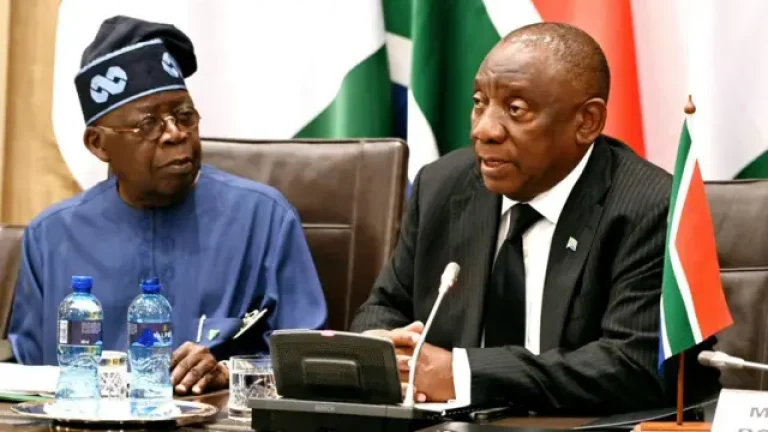
South African President Cyril Ramaphosa has condemned xenophobic violence and said implementation of immigration laws is the job of the state, not vigilantes. Police officials have also warned that though peaceful protest is protected by law, any acts of intimidation, assault, looting or destruction of property will be dealt with harshly.
The demonstrations are against the backdrop of the long-standing South African economic woes. Many demonstrators say unauthorised immigration are contributing to job shortages, criminality and pressure on public services, with unemployment still above 30 percent. But scholars and migration specialists dismiss these assertions, saying foreign-born inhabitants comprise a small fraction of the population and that existing information does not substantiate suggestions that migrants are a key source of crime or unemployment.
Analysts say the present tensions echo past bouts of xenophobic violence that have periodically swept through South Africa since 2008, leaving dozens dead and thousands displaced. Human rights groups have called on the government to safeguard the safety of all, regardless of nationality, and to address legitimate public concerns about border control and immigration in accordance with the law.
The protests are starting around the country and security forces are on alert, with officials hoping tough measures will keep violence at bay and allow peaceful protests to go forward. The days ahead will be a test for South Africa’s capacity to manage public order, constitutional rights and the safety of vulnerable migrant groups.
About the Author