
The federal government yesterday expressed its displeasure at the South African government’s failure to respond strongly enough to the renewed wave of xenophobic attacks against Nigerian nationals, warning that retaliatory diplomatic gestures, including a review of bilateral privileges, were actively being considered and were not off the table.
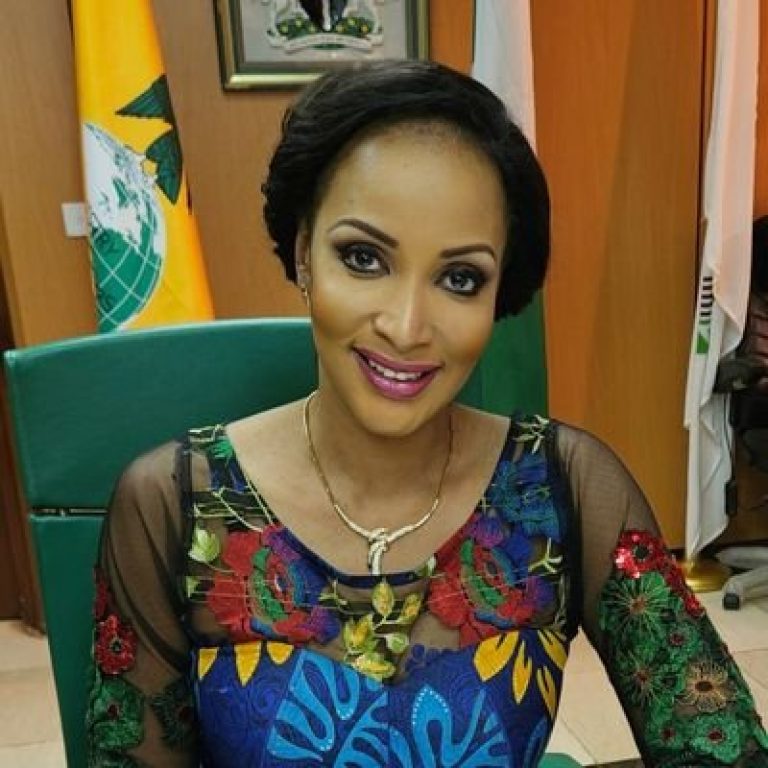
Ambassador Bianca Odumegwu-Ojukwu, the Minister of Foreign Affairs, has also dismissed as false assertions by some South African authorities that the Nigerians under attack were illegal migrants. Odumegwu-Ojukwu spoke when she briefed State House media after meeting with President Bola Tinubu at the Presidential Villa, Abuja.
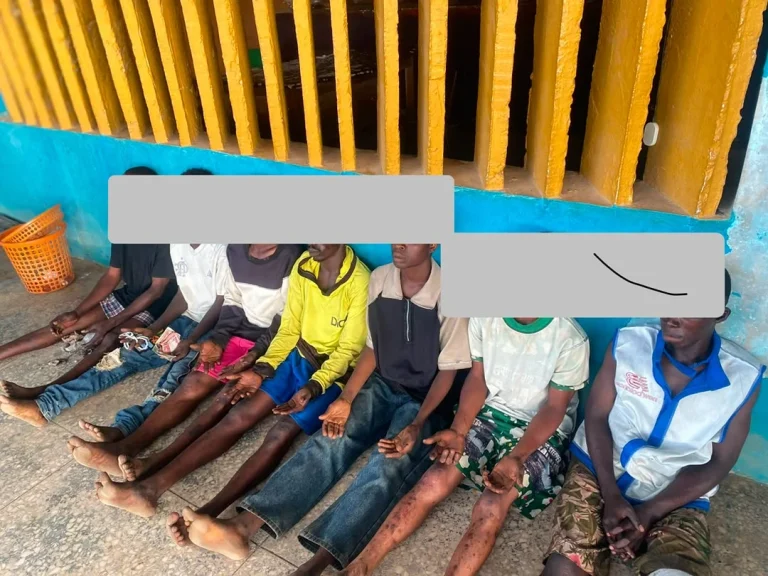
She said the South African police watched while Nigerian passport holders were harassed, their stores looted and set ablaze and their children were being bullied at schools, The PUNCH reports.
“Our citizens are being harassed,” Odumegwu-Ojukwu remarked. Our citizens are being plundered of their properties. There are criminal activities and the police don’t do a thing. The South African government has not been robust enough in condemnation of these incidents.
It is entirely incorrect that Nigerians operating respectable business in South Africa are illegal migrants. “Those who are legitimately in business, their shops are looted, their shops are set on fire. Children are kept away from going to school. They are not able to go to school.”
The minister noted Nigeria’s history of sacrifice for the freedom of South Africa, a sacrifice, she said, that makes the current treatment of Nigerians that much more painful and reprehensible.
“South Africa is not liked by Nigeria. “Nigeria paid a heavy price for the independence of South Africa. Nigeria put money in, put resources in. Schools had places earmarked for South African students.
“My generation, we carried placards, we protested in front of South African assets. Sometimes we even got arrested for it. “Nigeria is a serious frontline state and Nigerians are not happy about the manner of their treatment,” she remarked.
As for the nature of the attacks, she stated, “They are not asking other migrants to leave. They are simply asking black migrants to go.”
The minister was asked if Nigeria was considering retaliatory actions such as the suspension or reconsideration of benefits that South African enterprises and nationals now enjoy in Nigeria. “That is a situation that we are considering. That is a choice which has to be taken at the highest level of government. But it’s still on the table.”
Earlier, the House of Representatives had proposed the suspension of business permits for South African companies operating in Nigeria for the period of the xenophobic attacks. The Senate also resolved to send a high level delegation led by Senate President, Godswill Akpabio, to South Africa to formally express Nigeria’s displeasure.
Speaking on the evacuation exercise, Ojukwu stated that President Tinubu authorised five Air Peace evacuation aircraft and requested that a crisis response team be promptly constituted within Nigeria’s consulate in Johannesburg and the mission in Pretoria.
As of yesterday, Monday 8th of June, 1,092 Nigerians have voluntarily registered for repatriation and the screening exercise has now been extended to June 10 to cover all applications.
So far, over 500 Nigerians have been inspected and cleared for evacuation.
The first flight, to airlift some 270 passengers out of Johannesburg on Monday, was delayed until Wednesday because of logistical reasons, the foreign ministry said, adding the delay was not due to diplomatic setbacks but operational issues that needed more coordination.
The minister said that the evacuation, being carried out in conjunction with the National Emergency Management Agency and other federal authorities, will be followed by rehabilitation support.
“We are doing this evacuation with NEMA,” she said. “We are doing that with different government agencies and parastatals to ensure that once Nigerians come in, they can be rehabilitated.
The current crisis was sparked by anti-immigration protests led by groups such as Operation Dudula and March for March in late April 2026, causing mass concern among foreign people throughout several South African provinces.
South Africa’s government has publicly criticised Nigeria’s evacuation preparations. South Africa’s foreign minister raised concerns and qualms about the exercise during a May 7 telephone discussion with Ojukwu.
She stood her ground, Ojukwu told his South African counterpart, adding: “I told her that our government cannot sit by and watch the systematic harassment and humiliation of our nationals resident in South Africa and the extra-judicial killings of our people and that the evacuation of our citizens who desire to return home remains the priority of our government at this time.
On May 4, the federal government called South Africa’s Acting High Commissioner, Lesoli Machele, for urgent talks at the Ministry of Foreign Affairs in Abuja.
In 2008, 2015 and 2019 there were waves of xenophobic violence which displaced and killed foreign nationals, many of them Nigerians, and strained the bilateral ties between the two countries.
The Chief Executive Officer of Air Peace, Allen Onyema had offered free flights to evacuate Nigerians who wanted to escape during the assaults in 2019.
Nigeria has recalled its High Commissioner to Pretoria as a number of South African enterprises in Nigeria came under retaliatory attacks.
About the Author