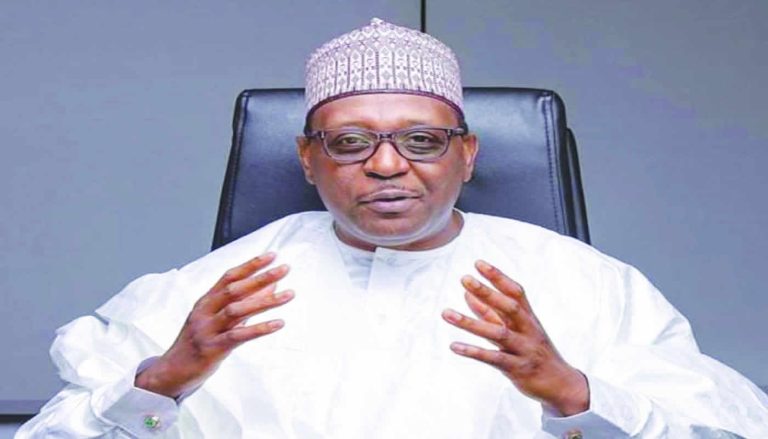


Governor Alex Otti of Abia State has accepted Dr. Ezinne Chinyere Benjamin-Kalu’s appointment as Chairman of the Management Board of the Abia State University Teaching Hospital (ABSUTH). This decision has sparked both praise and political discussion in the state.
Dr. Ezinne Benjamin-Kalu is married to Benjamin Kalu, the Deputy Speaker of the House of Representatives. Benjamin Kalu represents Bende Federal Constituency and is well-known in Abia politics. An official government announcement confirmed the appointment and also revealed a new management board for the institution.
The state government says that changing the ABSUTH board is part of a bigger plan to make the hospital better and make it a center of excellence for healthcare delivery, medical research, and professional training. The administration made it clear that the new executives are expected to push for changes that will improve the quality of services, the infrastructure, and the institution’s academic and clinical standing.
Several additional professionals were also chosen to join the board with Dr. Benjamin-Kalu. Prof. Nneka Chioma Okoronkwo is the Chief Medical Director, while Dr. Kelechi Omende, Dr. Temple Nwosu, and Dr. Patrick Umezurike are members. Prof. P. E. N. Onyemachi is the Chairman of the Medical Advisory Committee; Prof. Gazie Okpara is the Deputy Vice-Chancellor and Senate Representative; and Prof. Chuks Kamanu is the Provost of the College of Medical Sciences.
Dr. Mrs. Ifeyinwa Blossom Uma Kalu is the representative from the Ministry of Health on the board. Mrs. Ihuoma Nwagbara is the Director of Administration and Secretary to the Board. Dr. Odochi Ewurum is the representative from the Nigeria Medical Association. The government believes that the mix of administrative, academic, and clinical skills in the group is meant to improve healthcare delivery and make institutions more efficient.
Also, see “Gunman Wearing Iranian-Themed Clothing Kills Two in Austin Nightlife District.”
Governor Otti praised the new chairman and board members and told them to prove that they deserve the trust that has been placed in them by making real improvements in how the hospital runs. He said that professionalism, dedication, and new ideas were the most important things that needed to happen for ABSUTH to become Nigeria’s best hospital.
The statement continued, “These appointments are meant to bring in skilled people who can help the hospital improve its service delivery, research output, and training of medical professionals.”
The appointments are in effect right away and are part of the Abia State Government’s continuing reforms in important areas, especially healthcare.
But the choice to hire Dr. Benjamin-Kalu has caused political reactions because she is close to a well-known opposition figure in the state. Benjamin Kalu, who is the Deputy Speaker of the House of Representatives, is thought to be an important political figure and a possible candidate for governor in Abia State in the future.
Some people say that the nomination makes it hard to tell the difference between politics and governance, which makes them worry about possible political connotations. Some people think it’s a smart approach that might either show that everyone is welcome or start political rumors.
Supporters of the government, on the other hand, say that political or family ties should not be a factor in public appointments; only competence and professional excellence should be. They say that people with the right qualifications shouldn’t be left out just because they belong to a certain group.
As people start to think about the next election cycle, the development has made political talk in Abia State even more heated. It also shows the bigger problem in Nigeria’s public administration sector, where decisions about how to run the government and how to understand politics are at odds.
The immediate problem for ABSUTH is still providing services. including many public healthcare facilities, it still has problems including not having enough money, not having enough staff, and not having enough infrastructure.
People will probably measure the new board’s effectiveness by how well it can enhance healthcare, make medical training better, and bring back faith in the institution.
As the board takes over, expectations are still high, and more and more people are looking at both the results of governance and the political effects.
About the Author