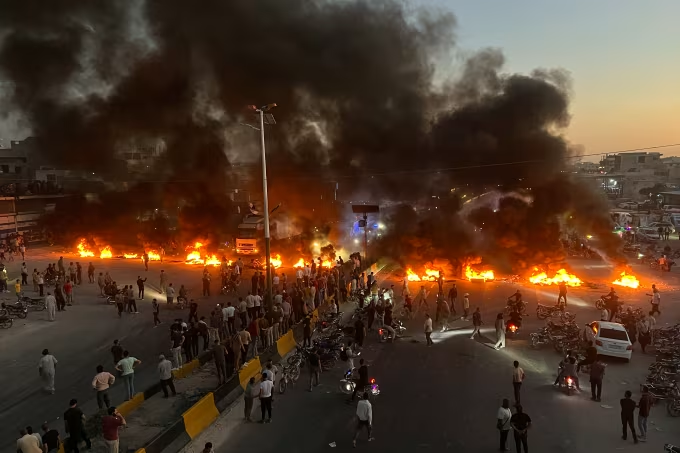

The United governments has initiated a new round of military operations against Iran following an attack on a commercial vessel in the Strait of Hormuz, sharply raising the stakes in the Middle East and prompting new Iranian missile and drone attacks against several Gulf Arab governments. The current round of fighting has severely weakened diplomatic efforts to stabilise one of the world’s most strategically critical rivers.
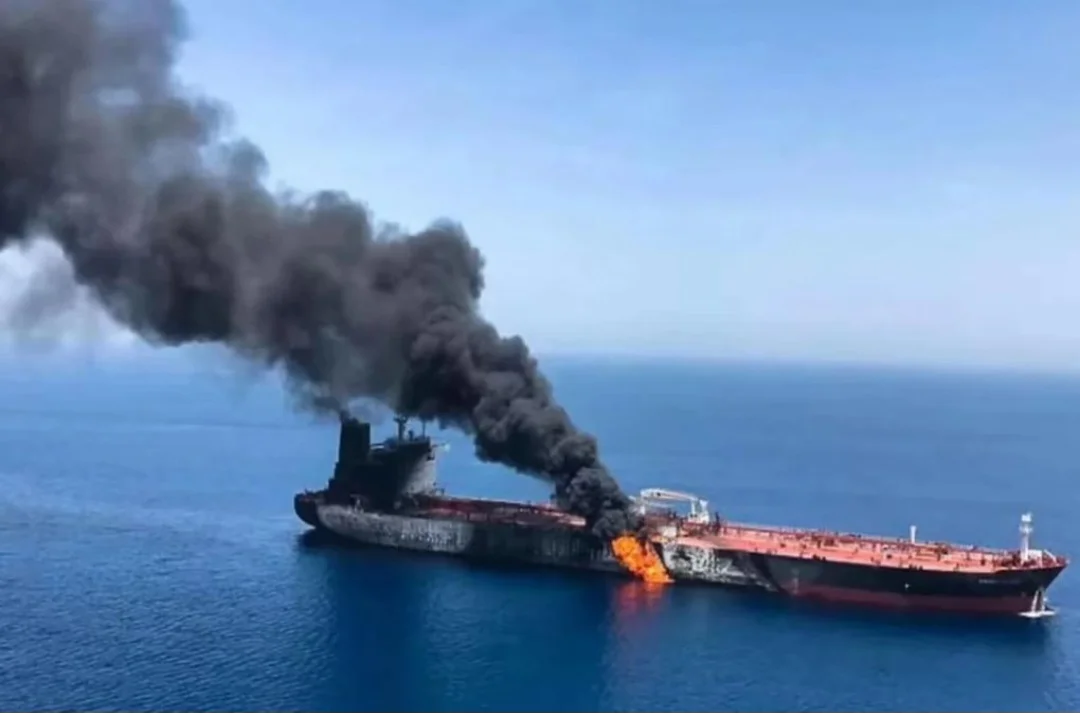
U.S. Central Command (CENTCOM) said American forces targeted over 140 Iranian military targets, including missile launch sites, drone facilities, ammunition depots, communications infrastructure and coastal military positions. Washington said the operation was triggered by an alleged attack by Iran’s Islamic Revolutionary Guard Corps (IRGC) on a Cyprus-flagged container ship passing through the Strait of Hormuz, which left the vessel on fire, badly damaged the engine room and one crew member missing. The strikes were designed to cut down Iran’s ability to endanger international trade and civilian sailors, U.S. officials said.
Iran has struck back by sending missiles and drones at Bahrain, Qatar, Kuwait and the United Arab Emirates, charging the Gulf Arab nations with helping U.S. military activities. Authorities in the affected countries said their air defence systems shot down several approaching projectiles. Emergency alerts were issued in some areas of the Gulf region. There were no immediate reports of major casualties.
The standoff has also revived tensions over the Strait of Hormuz through which around one-fifth of the world’s traded oil and natural gas regularly travels. Iran again declared the waterway closed “until further notice,” even as the United States maintains that commercial vessels should be allowed to continue to travel freely through the international maritime route. The renewed uncertainty has pushed global oil prices higher and fuelled fears of future disruptions to energy supplies.
The new flare-up follows days after U.S. officials urged Tehran officially guarantee safe passage for commercial vessels and reject attacks on ships across the strait. Washington accuses factions inside Iran of violating prior ceasefire understandings, while Tehran asserts it has the right to control marine traffic in the crucial waterway.
Iran’s current Supreme Leader, Mojtaba Khamenei, has maintained a combative tone, promising revenge for the killing of his father and predecessor Ali Khamenei in past U.S.-Israeli military operations. Iranian leaders have vowed tougher punishment if the United States takes additional action and U.S. President Donald Trump has warned Tehran against striking American soldiers or interests in the region.
Regional mediators like Oman have pursued diplomatic attempts but are unable to make progress amid the intensifying military activities and a steady stream of mutual allegations from both sides. Continued assaults on commercial shipping and military sites risk pulling other regional countries into the fight and further destabilising the Middle East, with potentially serious ramifications for global trade and energy markets, analysts say.
About the Author