
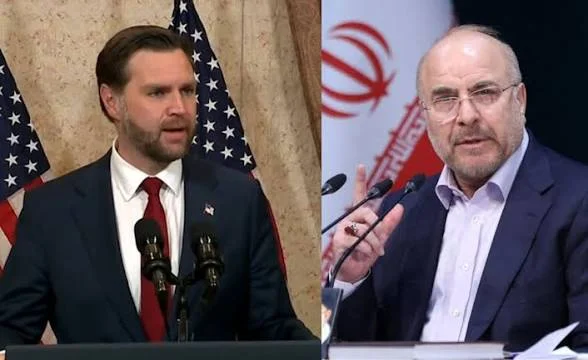
After long talks in Islamabad, the United States and Iran’s high-stakes peace talks ended without a resolution. This raises new doubts about the shaky ceasefire and the larger conflict in the region.
After the discussions, US Vice President JD Vance declared that neither party could come to a deal and blamed Tehran for not accepting Washington’s requirements.
“We just couldn’t get the Iranians to agree to our terms,” Vance stated. He also said that the United States had made its “final and best offer.”
Iran, on the other hand, fought back, with its foreign ministry saying that Washington was making “excessive demands” and that any deal had to protect Iran’s “legitimate rights and interests.”
The talks, which lasted more than 20 hours, were largely considered as a long shot because both parties had big disagreements on important matters, such as Iran’s nuclear program and security difficulties in the area as a whole.
Analysts say that if diplomatic attempts fail, fighting could start up again, which makes the present ceasefire seem less likely to last.
The breach happens at a time when tensions are increasing in the Middle East. Israel’s military said it hit targets in southern Lebanon. Next week, both Israel and Lebanon are likely to have separate meetings in Washington.
Even when things didn’t go as planned, Iranian officials said that diplomacy is still possible. A spokeswoman claimed that hopes for a rapid resolution were unrealistic because the conversations were held in a climate of “mistrust, suspicion, and doubt.”
Pakistan, which hosted the talks, told both sides to stick to the truce and keep talking. It stressed how important it is for the area to have permanent peace.
The result raises important concerns about what to do next, as the world watches to see if US-Iran ties will be defined by renewed engagement or rising conflict.
About the Author