
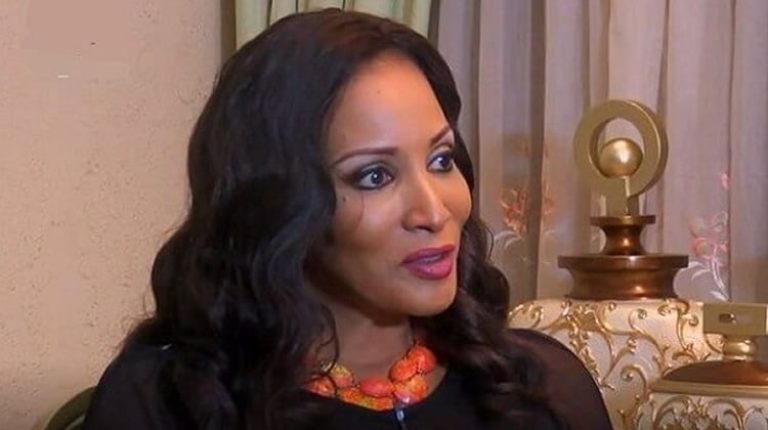
The federal government has called the coronation and actions of those who call themselves Eze Ndigbo (Igbo traditional kings) in other nations humiliating.
Ambassador Bianca Odumegwu-Ojukwu, the Minister of State for Foreign Affairs, said this at a meeting of Imeobi, the highest decision-making body of Ohanaeze Ndigbo Worldwide, which took place in Enugu today, according to The PUNCH.
The minister added in a statement issued by her Special Assistant on Communication and New Media, Magnus Eze, that “The situation has become a major embarrassment to the government, Ndigbo, Nigerians, and citizens of host countries where such titles are conferred.”
After the disputed crowning of Nigerian Igbo leader Solomon Ogbonna Eziko as “Eze Ndigbo na East London” (Igbo King in East London), there were violent riots in South Africa’s Eastern Cape.
The development made people in the area, traditional leaders, and political organizations very angry. This led to riots, the burning of foreign-owned cars, and looting.
The minister told the Ohanaeze Imeobi/General Assembly that a similar thing happened in Ghana in July 2025 because of the Eze Ndigbo dispute.
She said she had taken a party to Accra to help calm things down after protests in which certain Ghanaian groups asked Nigerians to leave the country.
Odumegwu-Ojukwu said that cultural expression shouldn’t cause problems with host communities. He also said that the Ministry of Foreign Affairs had been using diplomatic channels to deal with the matter in South Africa.
She claimed, “Angry Ghanaians gave our people a quit notice and told them they had to leave.”
She said that the team met with Ghana’s President John Mahama, ministries, the Inspector-General of Police, traditional leaders from all throughout the country, and people from the Nigerian community.
She said that things became better after President Mahama stepped in and said that there was no room for xenophobia in Ghana.
When President Bola Tinubu’s special envoy, led by Odumegwu-Ojukwu, came to the Presidential Palace in Accra, the Ghanaian leader reaffirmed his commitment to the Economic Community of West African States norms, especially those that allow people and products to move freely within the area.
He also indicated that the transmission of an old film shot by a Nigerian living in Ghana more than 10 years ago added to the tension, but that the matter was quickly handled.
Odumegwu-Ojukwu said again that the safety of Nigerians, their businesses, and their property in Ghana could have been at risk if President Mahama had not stepped in.
The minister told Ohanaeze Ndigbo to punish anybody who break its order to get rid of Igbo traditional leadership titles outside of Igboland.
She also promised everyone that the Ministry of Foreign Affairs will help spread the Ohanaeze message on the matter through Nigeria’s embassies and high commissions around the world.
Senator Azuta Mbata, the President-General of Ohanaeze Ndigbo Worldwide, announced the decision of the apex Igbo socio-cultural organization. He added that the group has taken the position of traditional rulers to end the Eze Ndigbo title in the diaspora.
He said, “Anyone who gets such a title outside of Igboland does so on their own.” The Igbo people do not recognize it. We shall write to state governors and embassies all over the world to let them know what Ndigbo is up to.
It is now illegal for Eze Ndigbo to be anywhere outside of Igboland. “We will work with traditional leaders in Igboland to figure out the right punishments for anyone who breaks this rule. These punishments will be carried out at the community level,” he stated.
Eziko was made a traditional leader in the Gompo region of East London on March 14, 2026. Many South Africans saw this as an illegal challenge to the traditional leadership institutions that were already in place.
On March 30, 2026, protests started with groups like ActionSA organizing them. They quickly turned violent.
Protesters went for companies and cars owned by foreigners, and sources say that at least 13 cars were smashed.
There was at least one stabbing, and police used stun grenades and tear gas to get things back to normal.
The crowning was called a “flagrant violation” of traditional rules by the Eastern Cape House of Traditional and Khoi-San Leaders. The South African Department of Cooperative Governance and Traditional Affairs also said that the installation was unconstitutional and not in line with the country’s constitutional obligations.
The National Executive Committee of Ohanaeze Ndigbo Worldwide, along with the South-East Council of Traditional Rulers, has put an end to the practice of giving the title of Eze Igbo outside of Igboland.
Igbo groups in other countries regularly put on cultural events to celebrate their ancestry.
But the installation of traditional rulers by some of these groups has caused problems over and over again, not just in Igbo communities overseas but also between Nigerians and the communities they live in.
The Nigerian High Commission in South Africa said the coronation was a cultural ritual that was misunderstood and not a real monarchy.
The Nigerian Consulate in Pretoria also asked for calm and told Nigerians in South Africa to keep a low profile and stay away from actions that could make things worse.
Olajide Ogunmadeji, the Deputy High Commissioner, talked to some of the demonstrators and said that the situation had been misunderstood. He said that the coronation was mostly ceremonial and not meant to harm traditional rulers.
About the Author