

In the US, a virus that has no known cure is spreading quickly, but authorities have advised people not to panic just yet.
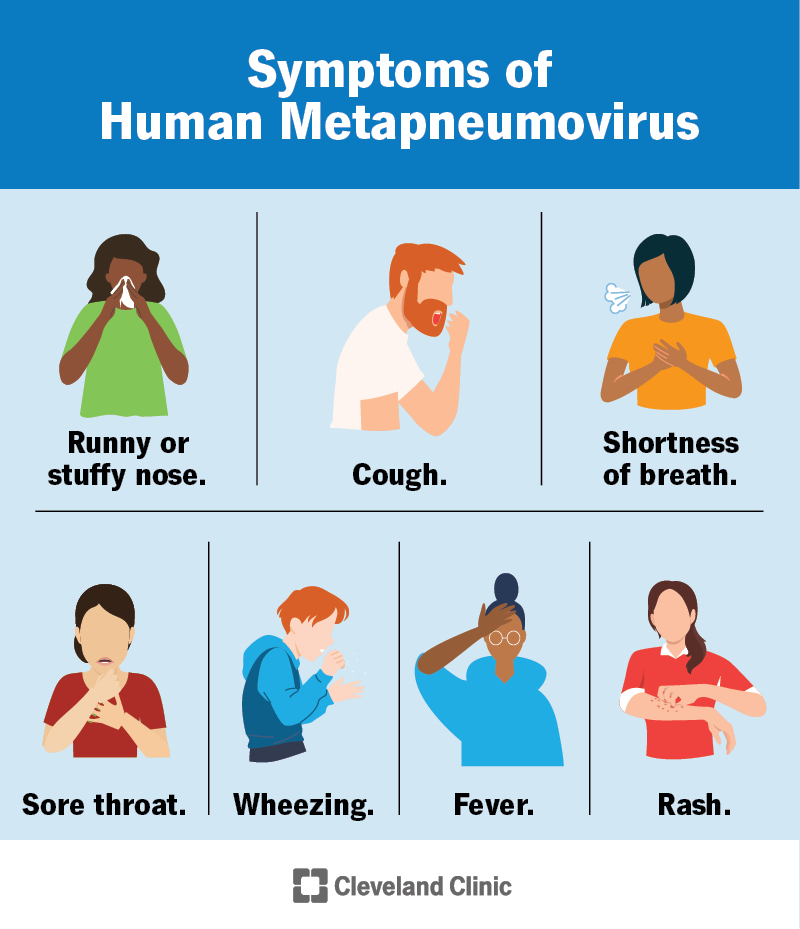
The human metapneumovirus, also known as HMPV, causes cold-like symptoms such a cough, fever, runny nose, or sore throat and is spread by coughs or contact with contaminated surfaces.
In most situations, it causes a mild illness that goes away on its own in a few days, but in rare instances, it can create a dangerous infection for which there are no specific medications or vaccines, according to physicians.
According to surveillance, the infection is now spreading throughout the entire United States.
According to the most recent CDC data, HMPV was responsible for 5% of all respiratory illnesses for the week ending February 21, the latest date available, up from 3.8 percent over the preceding seven days.
The virus is currently present at “high” levels in all four regions of the nation, according to wastewater monitoring. According to estimates, it is especially common in Chicago, New York City, and the Bay Area of California.
The increase coincides with a recent decline in illnesses brought on by other respiratory viruses, including the flu and COVID.
According to a Mayo Clinic press release, “it can account for five to 10 percent of all the respiratory infections that we diagnose in the US in the late winter, early spring,” stated Dr. Matthew Binnicker, director of clinical virology at the Mayo Clinic. Thus, it’s undoubtedly out there.
The virus usually manifests as cold-like symptoms that go away in a few days. To cure the illness, doctors recommend bed rest and fluid intake.
The respiratory viruses ‘compete with each other’ every season, according to Dr. Monica Gandhi, an infectious disease specialist at UC San Francisco, who was added to SFGate.
“We saw really low rates of other common cold viruses when we had big Covid surges,” she continued. Other viruses, such as HMPV and influenza, are now being given an opportunity.
After contracting HMPV, patients typically have symptoms three to six days later.
Adults over 65, children and teenagers, and those with underlying medical conditions are thought to be more vulnerable to infection.
According to research, 6.6 percent of high-risk persons who contract HMPV pass away from the illness, and 51 percent are admitted to the hospital. However, the infection does not typically cause mortality.
According to the most recent data, HMPV infections have increased for at least the second time since the pandemic, following a little increase in the US in 2023.
The virus usually peaks in March or April, according to historical data. With a 7.4 positive rate in April of last year, the virus reached its high.
The highest positivity rate since the epidemic was 11% in March 2023.
There are probably considerably more cases than what government data indicates because many infected individuals may not seek testing or treatment.
DEATHLY ILL: Diane Davison, a 60-year-old Maryland entertainment lawyer, was struck by HMPV and became “unable to speak” as a result of “violent” coughing spells.
DEATHLY ILL: Diane Davison, a 60-year-old Maryland entertainment lawyer, was struck by HMPV and became “unable to speak” as a result of “violent” coughing spells.
HMPV infections in the US since 2024 are depicted in the above graph. Cases are increasing once more.
According to the CDC, the risk of infection can be decreased by routinely cleaning surfaces, avoiding direct contact with sick persons, and washing hands.
Doctors typically advise bed rest and lots of water as part of the treatment. People may be given supportive care, such as oxygen therapy, in more serious situations.
Cases of the condition, which was first identified in 2001, typically increase during the winter months each year along with other respiratory illnesses.
According to experts, illnesses often reach their peak in April and don’t usually begin to decline until June.
Doctors claim it may be feasible to identify if an infection is the flu or HMPV based on symptoms, even though a clinical test is the best way to determine whether an illness is the flu, Covid, respiratory syncytial virus, or another infection.
According to HMPV, sufferers usually have a sore throat, coughing, a runny or plugged nose, and a little fever.
This virus, like others, causes symptoms that resemble a cold because the immune system fights the infection.
In contrast, they stated that while coughing is a common sign of the flu, other symptoms are typically more severe.
“Flu usually causes chills, a fever, headaches, muscle aches and pains,” UK infectious diseases specialist Dr. Ron Eccles earlier stated to Daily Mail.Because flu symptoms are not limited to the upper respiratory tract but rather impact the entire body, they feel worse.
About the Author