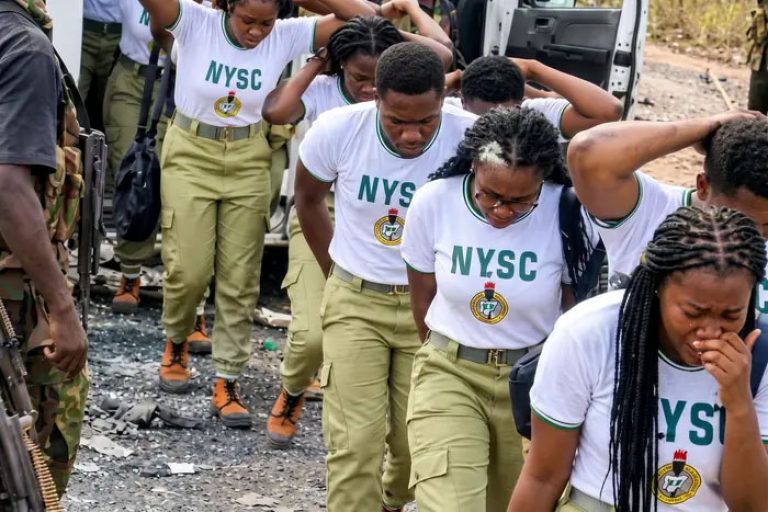

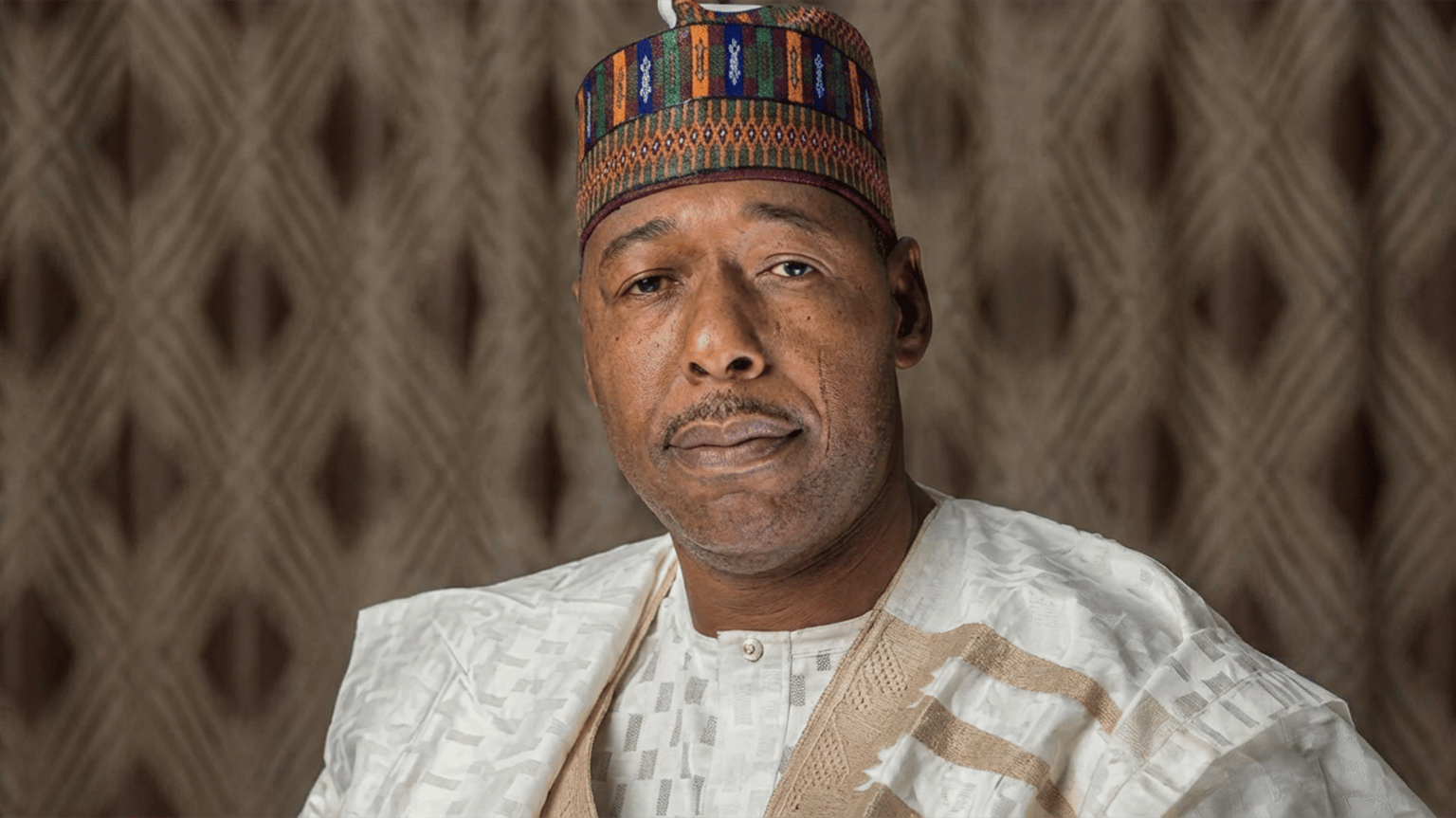
The federal government and the Borno State government have finished bringing back the last group of Nigerian refugees from Cameroon. This group of 680 refugees, which includes 162 households, came from the Minawao refugee camp in Cameroon to Banki in the Bama Local Council of the state.
According to Saturday Guardian, the return of the last group of refugees from Cameroon marks the end of the fourth phase of the coordinated joint exercise.
The National Commission for Refugees, Migrants, and Internally Displaced Persons (NCRM-IDP) and the United Nations High Commissioner for Refugees (UNHCR) both encouraged the return of refugees to the state.
The fourth wave of repatriation started on January 27, 2026, when 300 refugees arrived at Pulka, which is under the Gwoza Local Council.
Minjinyawa Bakari, the Governor of Cameroon’s Far North area, praised Governor Babagana Zulum for always being there for the refugees and making sure they could return home safely and with dignity.
Bakari told the refugees who were going back to their countries to be “productive citizens by rebuilding their lives with dignity in their communities.”
When the refugees arrived at the Nigerian border, they were greeted warmly by Lt. Col. Michael Ndubisi, the Commanding Officer of the 152 Task Force Battalion; Mohammed Shehu Umar, the District Head of Banki; and other important people.
They were also escorted to a welcome center and then to their homes erected by the Borno State administration and supported by the UNHCR.
Lawan Abba Wakilbe, the head of the Repatriation Committee, spoke to the 680 refugees who were returning to Banki and told them not to use the repatriation process to make money.
He said, “The state government would check its database to find people who had already moved to Banki without giving up their refugee status.” He warned that these people would face consequences, such as being left out of housing and return packages to help communities get back on their feet.
The chairman thanked Tijjani Aliyu Ahamed, the Federal Commissioner of the National Commission for Refugees, Migrants, and Internally Displaced Persons, for helping the refugees return home.
He said that Zulum’s return packages for the refugees comprised ₦100,000 for each household, ₦20,000 for each wife, mattresses, and wrappers.
The National Commission for Refugees, Migrants, and Internally Displaced Persons also gave the family important food, such a lot of sacks of rice, beans, millet, cooking oil, and different spices.
A total of 3,122 people, including 557 homes, have successfully returned to the Bama and Gwoza Local Councils.
About the Author