
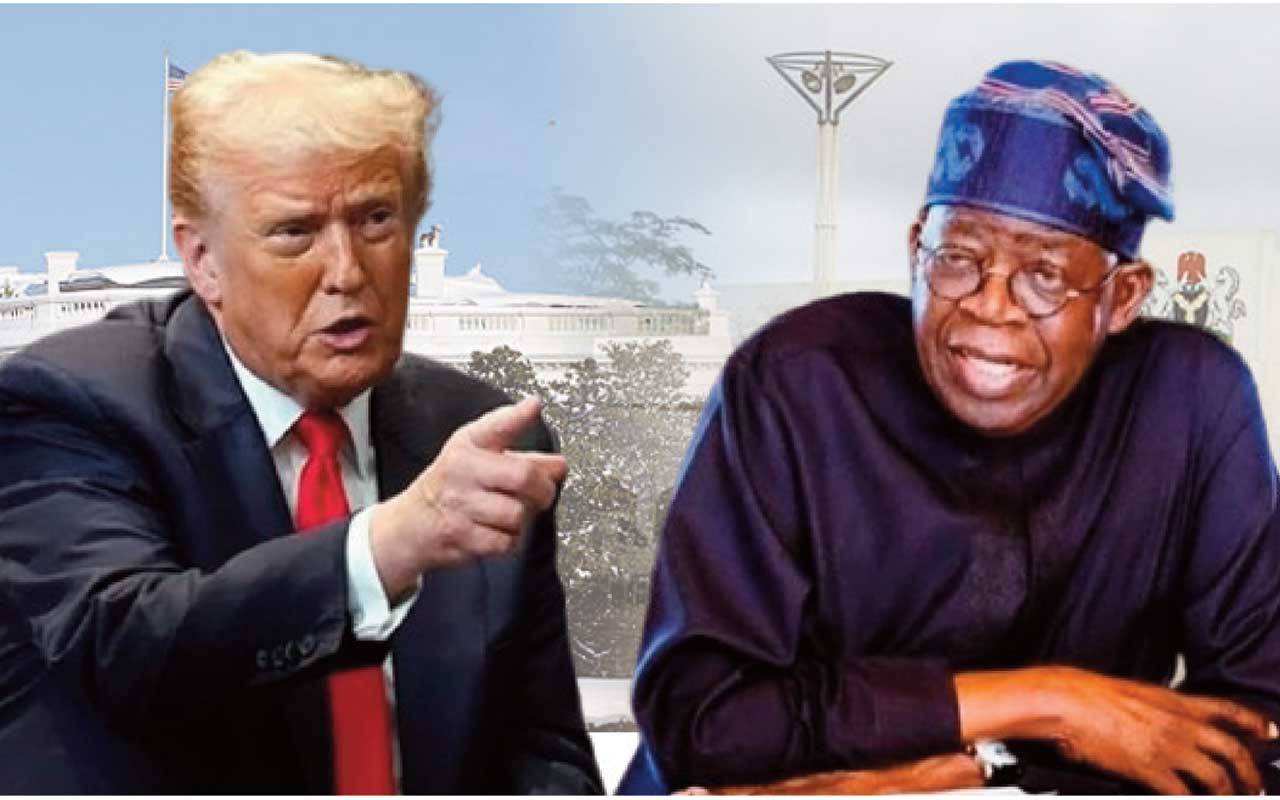
The United States will continue efforts to counter extremist groups and what it defines as religiously intolerant violence in Nigeria and other parts of the world, according to a statement issued by the US Department of State quoting President Donald Trump.
In the statement posted on X, Trump declared, “My administration is confronting head-on the militant and really intolerant campaign that seeks to drive religious believers out of public life and out of society.”
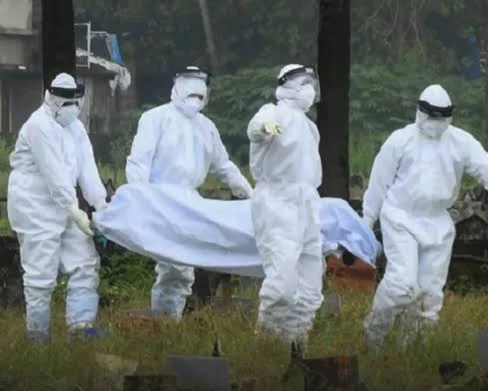
The comments are made in the midst of fresh, fatal attacks in Nigeria, especially in the North-Central area, where armed groups have killed large numbers of people in recent weeks, underscoring the nation’s deteriorating security issues, according to The Guardian.
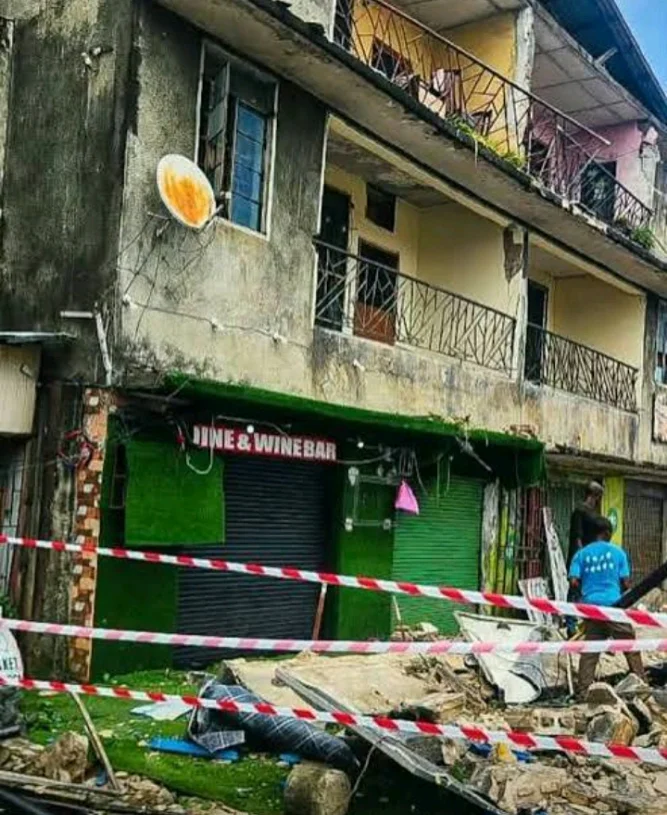
In Kwara State, gunmen earlier this month assaulted several rural towns, murdering scores of citizens, burning homes and displacing families. Local authorities claimed the terrorists struck in the early hours, firing indiscriminately and setting buildings ablaze before leaving. Security personnel were eventually deployed as survivors sought sanctuary in surrounding communities.
In a similar vein, despite numerous military operations, violence has continued in Plateau State. Recent attacks on farming areas have killed dozens dead, according to local officials and community leaders.
The murders are a part of a long-running cycle of violence in Nigeria’s Middle Belt, which is frequently exacerbated by religious identity and is frequently associated with armed groups taking advantage of conflicts over land, grazing routes, and local government.
Nigeria has long struggled with a number of security challenges, such as a jihadist insurgency in the northeast spearheaded by Boko Haram and its connection with the Islamic State, widespread banditry in the northwest and portions of the central area, and frequent conflicts between several governments.
While many attacks are presented along religious lines, researchers suggest that the underlying reasons are multifaceted, involving poverty, competition over few resources, poor state presence and governance failings.
During Trump’s presidency, the United States adopted a strong approach on Nigeria over religious freedom concerns, at one point classifying the country as a Country of Particular Concern. The move received considerable criticism from Nigerian authorities, who dismissed charges of state-backed religious persecution and insisted that victims of violence cut across religious lines.
Despite the tensions, Washington has continued security cooperation with Abuja, including intelligence sharing, training and limited support geared at undermining extremist networks. US officials have consistently highlighted that their commitment focuses on counterterrorism and civilian protection rather than direct combat operations.
About the Author