
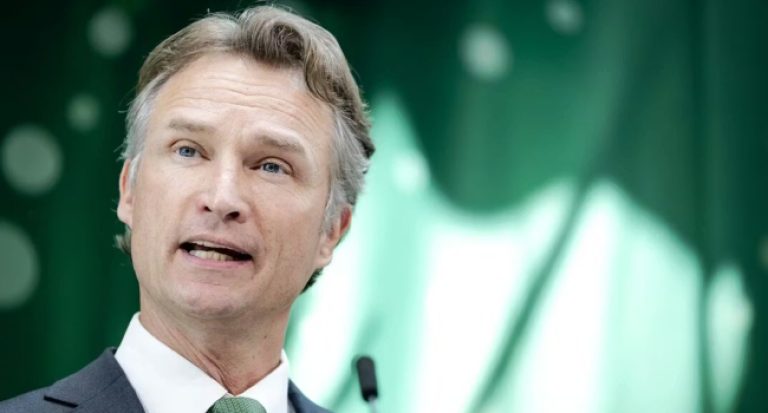
Dolf van den Brink, the CEO of Heineken, stepped down abruptly today after six years at the helm of the Dutch brewer and just a few months after outlining its new strategy. The beer sector is trying to attract more people to buy beer.
A report from Reuters said that Van den Brink became the CEO of the world’s second-largest beer maker in June 2020, in the middle of the COVID-19 pandemic. Since then, the company has been through a lot of problems, including rising costs and dropping sales, which have impacted margins and shares.
The board said they would start looking for a new leader for the company that makes Heineken lager and other brands including Tiger and Amstel after he surprised everyone by leaving.
Van den Brink will leave on May 31, but he has agreed to stay on as an advisor for eight months starting in June.
He and Peter Wennink, the chairman of the supervisory board, indicated that now was the perfect time for Heineken to choose new leaders. In October, the corporation came up with a new plan for the years leading up to 2030.
Van den Brink said in the statement, “Heineken has reached a point where a change in leadership will best serve the company in further executing its long-term goals.” He also said that he is still completely focused on carrying out that strategy until he leaves.
At 0849 GMT, the company’s stock was down 2%.
BEER SALES GOING DOWN
Van den Brink is the most recent CEO of a consumer company to leave after a tough few years for the industry, when increased living costs made it hard for people to pay their bills.
Brewers have had a hard time selling more beer. Hopes for a sales rebound have been dashed time and time again by things like bad weather and political instability.
Heineken has fallen behind its competitors in terms of investment returns and cost-effectiveness.
A line chart that shows the price-to-earnings ratios of beer firms over the next 12 months over the past five years. All companies have seen a big drop.
Whoever takes control will have to keep Heineken’s 2030 pledges while the world is going through political and economic changes.
Concerns about new competitors entering the market, weight-loss treatments that could hurt food and drink sales, and changing attitudes toward drinking, especially among younger people, further make the future of the industry less certain.
The new CEO will be in charge of focussing Heineken’s resources on certain brands and markets, as well as meeting sales, profit, and cost-saving goals, as part of the company’s 2030 plan.
Van den Brink has guided Heineken through a number of issues, including a reaction from investors over problems with its forward-looking forecasts, big acquisitions in India and South Africa, and major restructuring initiatives.
In the past few years, Heineken has had to deal with other unusual problems, like a pricing battle with European merchants in 2025 that caused some stores to take its brands off their shelves.
About the Author