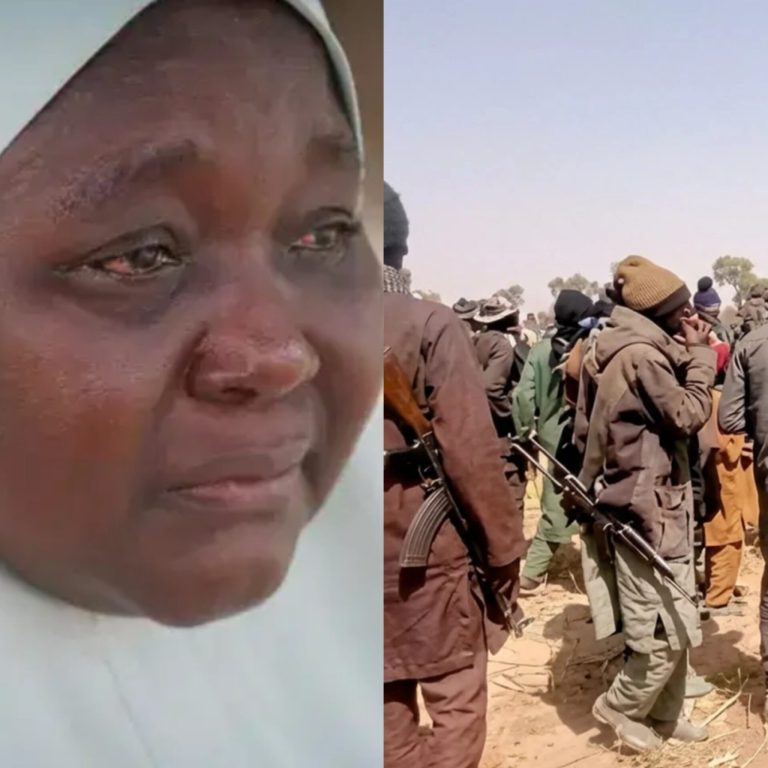


As they impose a parallel form of administration within important forest reserves in the area, armed groups in some sections of the states of Katsina and Kano are allegedly extorting farmers, asking as much as N50,000 per acre from sugarcane growers before harvest.
The bandits allegedly hold unlawful farm taxes and threaten farmers who do not comply in the Rugu Forest of Faskari Local Council of Katsina State and the Falgore Forest in Doguwa council area of Kano State.
Farmers who do not pay the levies are subject to threats of violence, crop damage, and intimidation, according to the report. As a result, many farmers have given up and left their farms.
According to The Guardian, sugarcane growers are supposedly the main targets, although maize output is also impacted.
An activist by the name of Bakatsine (@DanKatsina50) claims that the woodlands are in a prime location within the Kano-Katsina food belt, an important agricultural corridor that supplies sugarcane and maize to major marketplaces like Kano’s Dawanau Market.
If farming operations in the region are further disrupted, experts say, food prices and shortages in Northern Nigeria might skyrocket.
Falgore Road is guarded by police and military checkpoints, but according to the report, armed groups are reportedly operating within five kilometers of these locations.
According to reports, locals and farmers are seeing armed figures imposing regulations, collecting taxes, and controlling economic operations on a regular basis without seeing any opposition.
Neither the impacted state governments nor the security services have made any public statements as of this writing.
Relating to this, the government of Katsina State has provided an explanation for the release of seventy people wanted for alleged banditry-related crimes.
The release was based on a peace arrangement between communities affected by insecurity and repentant bandits, according to Dr. Nasir Muazu, the Commissioner for Internal Security and Home Affairs, who made the announcement on a live show.
At least fifteen municipal areas reached a peace accord, which led to the release of over a thousand people, according to Muazu.
About the Author