

Today, the federal government unveiled a new set of rules that would help parents save money, improve student learning, and make schools more environmentally friendly by using recyclable, high-quality textbooks.
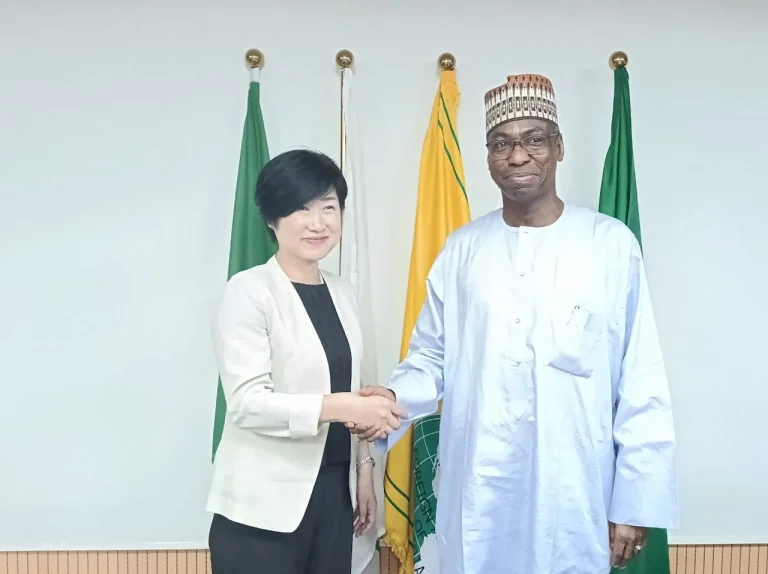
The Minister of Education, Maruf Tunji Alausa, and the Minister of State for Education, Prof. Suiwaba Sai’d, both announced the policy together. It is part of ongoing changes to improve Nigeria’s education system.
According to the ministers, the initiative puts the use of standardized, long-lasting textbooks that are meant to last between four and six years at the top of the list. It also explicitly says that schools cannot give out throwaway workbooks with textbooks, according to Daily Trust.
“This method aims to make sure that learning materials can be used in more than one academic session,” they stated. They also added that this would let siblings share textbooks, which would save parents a lot of money on school expenditures and cut down on waste in the school system.
The federal government has also set up a standard academic calendar as part of larger changes to help make teaching, learning, and preparation for school more consistent across the country.
The ministers also said that graduation ceremonies have been made simpler to help families with their money problems.
The new rules say that only students who have finished Primary 6, Junior Secondary School 3 (JSS3), and Senior Secondary School 3 (SSS3) will be able to have graduation ceremonies.
They stressed that the regulation makes it easier to analyze, ensure quality, choose, and use textbooks and other teaching materials across the country.
They said that the changes were made in response to long-standing worries about how often textbooks are changed for no good reason and how parents are forced to buy new books every year without any real advances in the content.
Structured and meaningful revision cycles are an important part of the policy. The ministers said, “Under the new framework, revisions to textbooks must show real improvements in content instead of just small changes in layout or pagination. This will make approved textbooks last longer and give better value for money.”
The policy also set restrictions on how many certified textbooks there may be for each subject and grade level, following best practices from nations like Japan, Kenya, and Tanzania.
“This measure is expected to make things better, lower the number of books on the market, and make it easier for schools and education authorities to choose textbooks.”
The Nigerian Educational Research and Development Council (NERDC) will still be in charge of checking and making sure that instructional materials are of high quality. They will collaborate with other agencies to make sure that only textbooks that are in line with the curriculum are approved for use in schools.
The ministry praised the Universal Basic Education Commission, NERDC, and other technical partners for their work on the new framework. This showed that the government was still committed to renewing education.
“The federal government is still committed to protecting educational standards, promoting fairness, lowering costs for parents, and making sure that all students in Nigeria have access to high-quality teaching materials that help them learn and teach effectively,” the ministers stated.
About the Author