
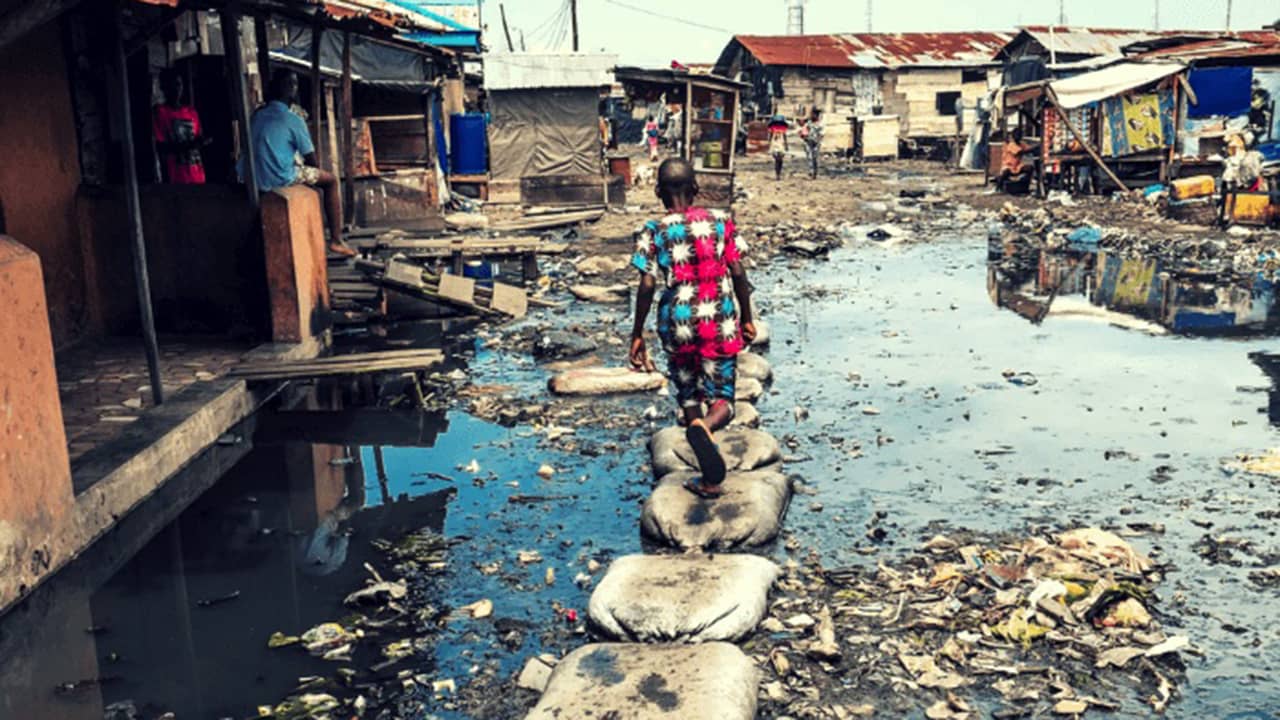
According to PwC’s Nigeria Economic Outlook 2026, at least 141 million Nigerians are predicted to be impoverished this year.
According to the analysis titled “Turning macroeconomic stability into sustainable growth,” over 62% of people would be living in poverty in the year before the 2027 election.
According to the analysis, weak real income growth and high living expenses are anticipated to force more households into poverty over the next two years, even in spite of recent policy changes intended to stabilize the economy.
Nigeria’s poverty rate is expected to reach 62% by 2026, according to PwC, as a result of both slow income growth and ongoing inflationary pressures.
The analysis states that, particularly in the near future, it is unlikely that the majority of Nigerians will see income increases that significantly balance growing expenses.
“By 2026, poverty is expected to increase to 62% (141 million people), reflecting weak real income growth and lingering inflation effects,” according to PwC.
PwC points out that although inflation may eventually slow, the economy’s underlying cost structure indicates that household affordability gains will be modest.
According to PwC, low-income households’ consumption habits are a significant factor in the escalation of poverty.
Poorer Nigerians are particularly vulnerable to changes in food prices because food makes up up to 70% of their overall consumption.
These households are disproportionately impacted by price shocks since food inflation is still high.
The company went on to say that energy costs, logistics costs, and exchange rate pass-through impacts will keep the price of food and necessities high even if headline inflation somewhat declines.
Experts claim that Nigeria’s economic stability and growth potential are seriously threatened by the country’s rising poverty rates.
A greater proportion of people who are unable to achieve their basic necessities could put pressure on state finances, hinder productivity growth, and undermine domestic demand.
According to PwC, attempts to alleviate poverty might remain unattainable in the absence of robust job development, productivity gains, and efficient social protection.
According to a 2025 PwC report, an additional 13 million Nigerians may fall below the country’s poverty line as a result of growing inflation, borrowing rates, and currency depreciation.
As a result, PwC suggested a multifaceted approach that included increased investment in agricultural and logistics, food supply reforms, and long-term macroeconomic stability.
What the World Bank stated
According to the World Bank Nigeria Development Update report from last year, there may be a tiny improvement in the nation’s long-standing battle with widespread poverty in 2027—the first in almost ten years.
According to the multilateral lender, the poverty rate is expected to reach its highest point in 2026 at 62%, or around 141 million people, and then fall to 61% in 2027, or about 140 million Nigerians.
Prospects of respite are still far off for millions of people, particularly in rural and northern areas, as structural inequality, food inflation, and inadequate social safety systems continue to exacerbate their suffering.
Poverty is predicted to rise further due to slow development and ongoing inflationary pressure, especially from food prices. According to the research, the poverty rate is expected to hit 62% in 2026 before stabilizing and marginally declining to 61% in 2027.
According to the data, poverty has significantly worsened during the last five years.
According to the Nigeria Living Standards Survey, 81 million people, or 40% of the population, lived in poverty in 2018–19. That number rose to 56%, or 113 million Nigerians, by 2022–2023.
This increase was accompanied by declining consumption, sluggish growth, and skyrocketing inflation. The average consumption per person decreased by almost 7% between 2019 and 2023, with urban households suffering the most.
According to the World Bank, poverty increased from 40% (81 million people) to a predicted 61% (139 million people) by 2025, with three-quarters of the rise taking place before 2023. By contrast, average consumption decreased by 6.7% between 2019 and 2023, particularly in urban areas.
139 million Nigerians were estimated to be living in poverty by 2025. The first anticipated reversal in over ten years, the World Bank predicts a little dip the following year after a further increase to 62% in 2026.
The president, however, had contested the numbers.
On social media X, formerly Twitter, Sunday Dare, the Special Adviser on Media and Public Communication, stated that the figures were “unrealistic” and ought to be “properly contextualized” within international standards for measuring poverty.
About the Author