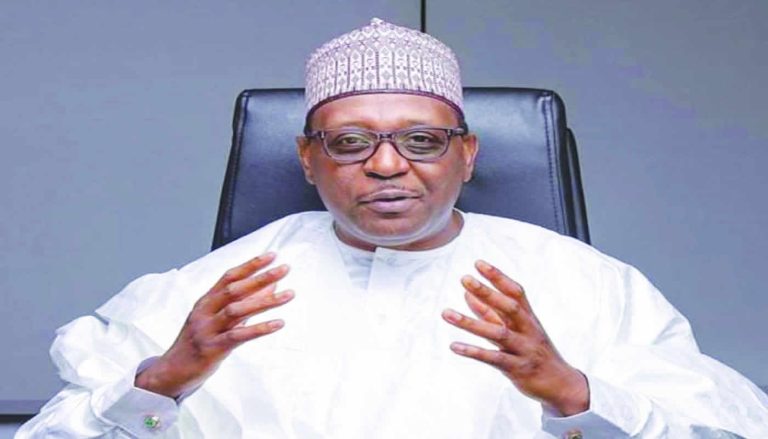

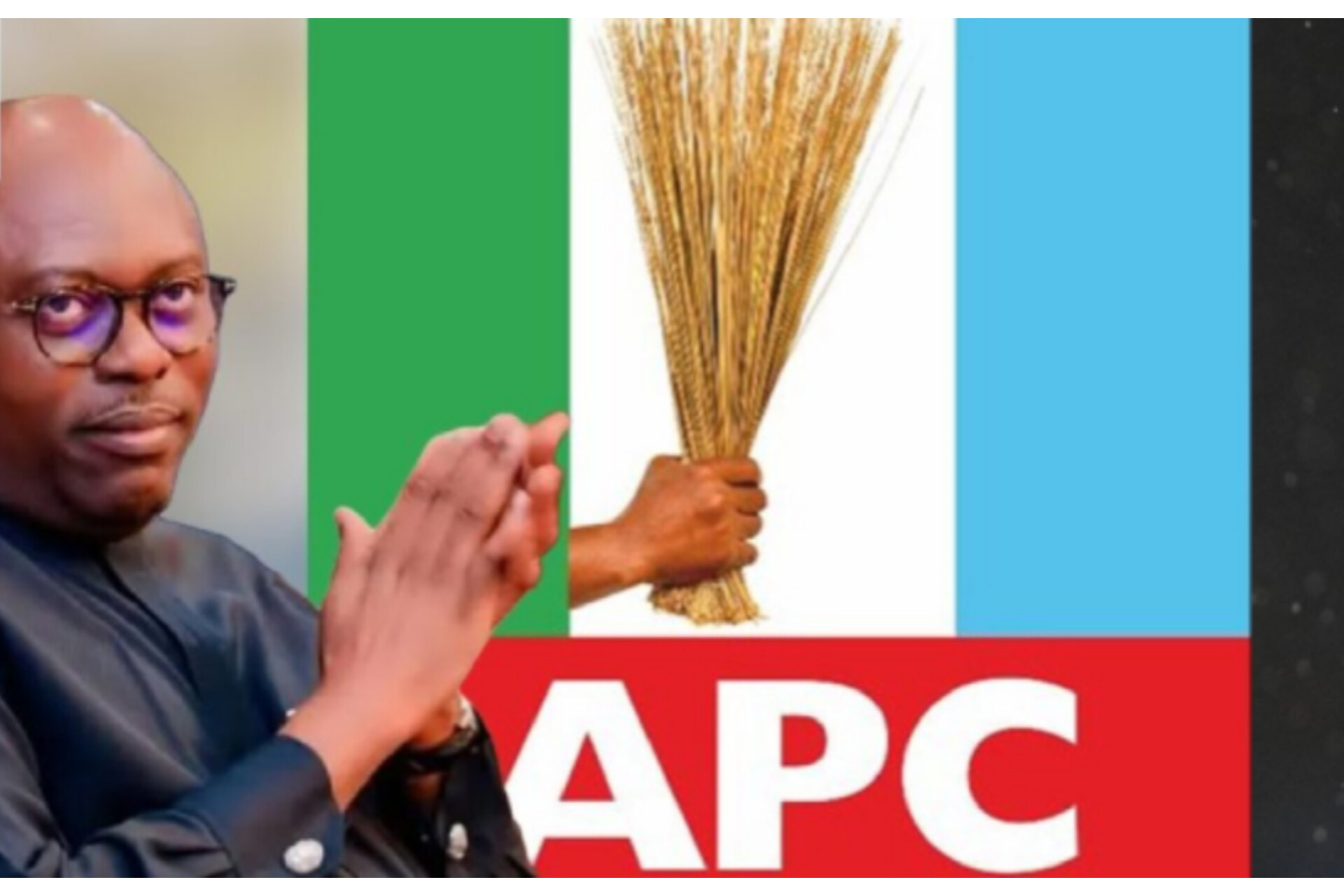
Governor Siminalayi Fubara of Rivers State has switched to the All Progressives Congress (APC) from the Peoples Democratic Party.
Channels TV says that he made the announcement at a stakeholders gathering at the government house in Port Harcourt today.
Fubara stated that he left the PDP to support APC President Bola Tinubu, and that without Tinubu’s backing, he would have become a former governor.
“The reason we are still standing is because of that location, and the fact is that without Mr. President, there would be no His Excellency Siminalayi Fubara; it would have been the old governor.
“So, we have every reason because the truth, let no one be deceived in this state, we have the people, and we have supporters. Our only thank you to Mr. President is to support him, and we cannot support him in isolation.
“We cannot support the president unless we truly identify with him; this is not backyard support. So we made that decision today because we had received the permission. Everyone here who has followed me and suffered alongside me has made the decision to join APC tonight, this evening,” Fubara added.
Gale of Defection
His defection came four days after Martin Amaewhule, Speaker of the Rivers State House of Assembly, and 17 other PDP members abandoned the party for the APC on December 5.
The MPs blamed their exit from the PDP on the party’s internal problems.
Others who abandoned the PDP were the Deputy Speaker, Dumle Maol (Gokana), Major Jack (Akuku-Toru), Linda Stewart (Okrika), Franklin Nwabochi (Ogba/Egbema/Ndoni), Azeru Opara (Port Harcourt 3), Smart Adoki (Port Harcourt 2), Enemi George (Asari-Toru 2), and Solomon Wami (Port Harcourt 1).
Igwe Aforji (Eleme), Tekena Wellington (Asari-Toru 1), Looloo Opuende (Akuku-Toru 2), Peter Abbey (Degema), Arnold Dennis (Ogu/Bolo), Chimezie Nwankwo (Etche), Gerald Oforji (Oyigbo), and Ofiks Kabang (Andoni) were also among the participants.
Following the departure of the Speaker and other prominent members of the House of Assembly, there were allegations of increased pressure on the governor to join the ruling APC.
Political realignment
The oil-rich South-South region had been a PDP bastion since 1999, but the party’s defeat to the APC in the 2015 presidential election triggered a realignment that compelled political heavyweights, including governors, to join the ruling party.
Prior to his defection, Fubara was the last PDP governor in the South-South region, following the recent defections of Governors Sheriff Oborevwori (Delta) and Umo Eno (Akwa Ibom) to the APC in April and June, respectively.
Governor Douye Diri of Bayelsa State left the PDP in November but has yet to officially join a new party.
Waning Influence
The move in Rivers marks the first time the oil-rich state will have an APC governor.
Since 1999, the PDP has maintained a solid grip on the state.
Many believe the PDP’s influence in Rivers politics began to wane when a former governor of the state, Nyesom Wike, declared his support for the APC’s candidate in the 2023 presidential election, Bola Tinubu, after former vice president Atiku Abubakar emerged as the opposition party’s nominee.
Some PDP leaders referred to Wike’s actions as anti-party.
However, Tinubu, who was proclaimed the winner of the presidential election by the Independent National Electoral Commission (INEC), then named the former governor as Minister of the Federal Capital Territory.
A protracted political feud between Wike and Fubara has pitted the legislators against the governor.
The conflict resulted in the partial devastation of the State Assembly facility by soldiers purportedly loyal to Fubara, as well as attempts to impeach the governor by parliamentarians loyal to the FCT minister.
On March 18, President Tinubu imposed a state of emergency, suspending the governor and his deputy, Ngozi Odu, as well as the MPs.
Tinubu also appointed Vice Admiral Ibok Ete (retired) as administrator.
When the emergency rule expired on September 17, the president reinstated Fubara, his deputy, and the parliamentarians.
Meanwhile, the PDP’s leadership issue has persisted since the results of the 2023 presidential election.
The schism developed with the formation of two factions at the national level of the party, as well as the expulsion and counter-expulsion of senior party members.
About the Author