
Nigeria Unite, an advocacy group for civil rights in Nigeria, has written to the US, UK, and EU to express its worries over what it calls a decline in democratic standards in the country.
The political trajectory of the country, the group said, might reflect the instability sweeping the Sahel, according to Vanguard.
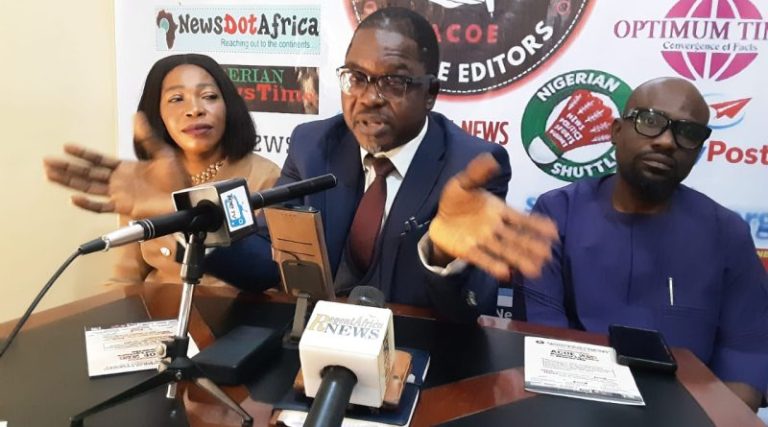
Sunday Daniel, the group’s national secretary, wrote a statement to the U.S. House of Representatives, the European Commission, and the U.K. Foreign, Commonwealth and Development Office, expressing concern about the deterioration of democratic institutions in Nigeria and the urgent need for their intervention.
“The United States, the African Union, and the United Kingdom must intervene swiftly to protect democracy in Nigeria. “In this endeavor, it is essential to engage diplomatically, monitor electoral processes, and offer support to civil society organizations,” Daniel stated:
Titled “Imminent Collapse of Democracy in the Sahel Region (West Africa),” the petition drew attention to what the signatories saw as measures that were weakening political rivalry and putting an emphasis on governmental institutions. In the run-up to the 2027 elections, it expressed concern that these tendencies may cause Nigeria to become more monolithic.
The organization further argued that instability in Nigeria will have far-reaching regional ramifications by drawing parallels to the situations in Niger, Burkina Faso, and Mali, all of which have lately seen democratic breakdowns.
The petition claimed that the diversity of Nigeria’s political landscape was threatened by the large number of politicians, including senators, governors, and local government officials, who were forced to join the APC.
The group expressed concern that the defections could undermine the opposition and lead to elections being seen as mere formality instead of meaningful fights.
The document also voiced its disapproval of the PDP, LP, and ADC’s internal strife, claiming that it undermines the opposition’s ability to do its job.
It brought up the suspension of other PDP national officers and raised concerns about how it affected the unity of the party.
The petition warned that if current trends are not reversed, Nigerian elections in the future could be nothing more than rubber-stamping for already decided results, resulting in a democracy lacking in transparency, fairness, and individual agency.
In addition, Nigeria Unite voiced its disapproval of what it saw as unfair distribution of public funds, arguing that it made it harder for governors from the opposition to run fair campaigns.
A dwindling political space, the group said, was stifling opposition on the issue of civic freedoms.
The stifling of dissenting opinions is a clear indicator of the deteriorating political climate in Nigeria. The document asserted that state-sponsored intimidation and coercion have a stifling effect and leave little space for opposition.
According to the group, public discontent could result from persistent pressure on democratic institutions, which could have far-reaching consequences beyond Nigeria.
With 250 million people calling it home, Nigeria’s instability will rock the African continent and beyond. “It will exacerbate the humanitarian and security situation in the Sahel, threaten peace, and drive more people to migrate to Europe and the United States,” Daniel added.
According to Nigeria Unite, foreign allies must stand by Nigeria’s democratic institutions and civil society organizations if the country is to avoid a precipitous slide.
About the Author