
created by photogrid
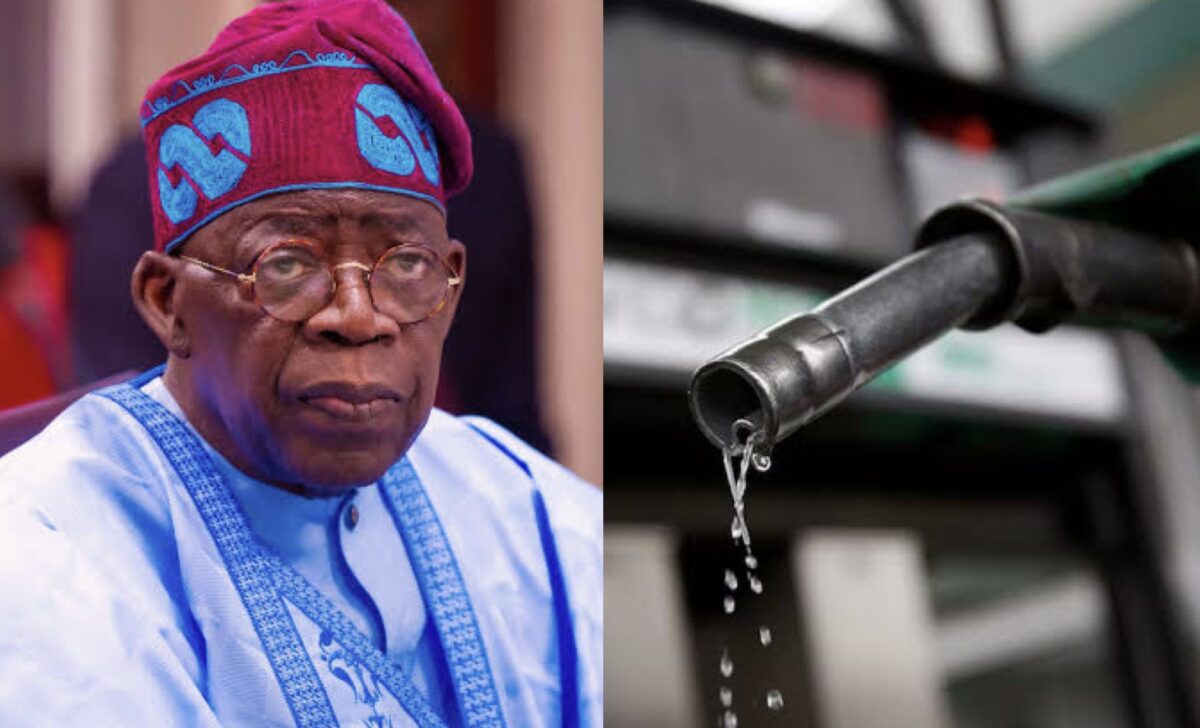
A price analysis has showed that Nigerians will have to pay an extra N1 trillion (N973.6 billion) per year for petrol imports if the federal government goes ahead with its intention to put a 15% import tax on Premium Motor Spirit (petrol).
According to a study on fuel imports from the Nigerian Midstream and Downstream Petroleum Regulatory Authority that our correspondent read yesterday, Nigeria bought an average of 26.75 million liters of petrol every day between January and September 2025, The PUNCH said.
The presidential permission letter for the 15% duty says that the expected import tax rate will be N99.72 per liter. This means that the charge for the 26.75 million litres will cost around N2.67bn every day.
When you total it all up over a year, it comes to an amazing N973.64bn. Nigerians will have to pay for this via higher gas prices once the program goes into effect. This sum will bring in more money for the government, but it will also directly raise fuel costs for homes, businesses, and transportation across the country.
President Bola Tinubu’s approval of a 15% import tax on PMS and diesel has caused a lot of worry in the oil and gas industry. Operators say it could raise gas prices, make inflation worse, and make imports more expensive, even though the government says the policy is meant to boost local refining and bring in money.
The president’s consent was sent in a letter signed by Damilotun Aderemi, his private secretary. The letter came after Zacch Adedeji, the executive chairman of the Federal Inland Revenue Service, made the suggestion.
The plan asked for a 15% tariff on the cost, insurance, and freight value of imported gasoline and diesel to bring import costs in line with what they are in the domestic market.
In a memo to the president, Adedeji said that the measure was part of ongoing fiscal and energy reforms aimed at strengthening the naira-based oil economy, keeping prices stable, and speeding up the country’s move toward local refining capacity in line with the administration’s Renewed Hope Agenda for energy security and economic sustainability.
He also told the government to be open by setting up a specific Federal Government revenue account that the Nigeria Revenue Service would handle and the NMDPRA would check and approve.
“At current CIF (Cost, Insurance, and Freight) levels, this means an increase of about N99.72 per liter, which brings the cost of imported goods closer to the cost of local goods without cutting off supply or raising prices for consumers too much.
Adedeji said, “The main goal of this initiative is to make crude transactions possible in local currency, improve local refining capacity, and make sure that Nigeria has a steady, affordable supply of petroleum products.”
The head of the FIRS said that the policy is not meant to make money but to fix things. It was put in place to bring import costs in line with the realities of local production and stop duty-free imports from hurting domestic refineries that are just starting to recover.
He said that the new tariff system would stop duty-free fuel imports from hurting domestic producers and provide a fair and competitive environment downstream. He also said that the market is unstable right now since locally refined products and import parity pricing are not in sync.
He stated, “While domestic refining of petrol has started to rise and there is enough diesel, prices are still unstable, partly because local refiners and marketers are not on the same page.” There will be a 30-day transition period before the new policy goes into force. This time is slated to finish on November 21, 2025.
Voices of disagreement
In response to the news, industry professionals and gasoline marketers who disagree with it have been louder. Many are questioning the timing and possible effects of the 15 percent import levy.
The Independent Petroleum Marketers Association of Nigeria said Wednesday that they were worried about the new 15 percent import tax on gasoline and diesel. They said it went against the idea of deregulating the market.
Chinedu Ukadike, the National Publicity Secretary of IPMAN, told our reporter in an interview that independent marketers did not disagree with Tinubu’s order, but they did not like how it was designed because it goes against the idea of a free and competitive market.
“Independent marketers don’t have a problem with the president’s order, but the problem is that the policy doesn’t follow the spirit of deregulation because of policymakers,” Ukadike said.
“Putting the cart before the horse” suggests that once you open up the market and then start to favor one part of the industry over another, you are doing it wrong. The goal of the liberalization was to create a free market where buyers and sellers were willing to work together. People who wish to import should not have to deal with the policy if they want to challenge the local sector.
He encouraged the federal government to focus on giving local refineries incentives instead of putting tariffs on fuel imports, saying that these kinds of actions could hurt competition and hinder private companies from getting involved.
“The government should instead support local refineries by giving them crude oil and lowering taxes for local refiners so they may cut their pricing. The most crucial element is the price war between refineries and importers. One thing I know is that homegrown goods will never be cheaper, and marketers will still choose to import.
“There is no need to put a tariff on imports since they would know that importing is not profitable and would buy things locally. We need to do everything we can to make our market better and fix problems. He said, “The government needs to let domestic refiners and importers compete without giving one group an unfair advantage.”
Ukadike says that the natural dynamics of market forces will make imports less appealing as it gets cheaper to create things at home.
“There is no need to put a tariff on imports because marketers will naturally buy goods made in their own country when they are cheaper.” He said, “The government needs to let domestic refiners and importers compete without any restrictions that the government puts in place.”
He said that any fake spike in fuel prices would make inflation worse, especially before Christmas when people usually need more gas.
“The most significant thing about market forces is a decline in price. Any rise in prices will cause inflation, especially now that Christmas is coming and more people will be traveling. Ukadike said, “There must be no shortage of goods, and the government must make sure that local refining, distribution, and working with stakeholders are all going full speed ahead.”
Jeremiah Olatide, the Chief Executive Officer of PetroleumPrice.ng, said that the new 15 percent import price on fuel and diesel is a double-edged sword. It could help the government make more money, but it could also make things worse for Nigerians who are already having a hard time.
The oil market analyst stated that the charge would have a big influence on fuel prices and inflation levels, especially since Nigerians are still getting used to the impacts of the elimination of the fuel subsidy.
He told our reporter that the prediction that Nigerians may spend around N1tn more each year for petrol imports because of the new pricing was correct. The number could go up because we are still in the current year and because of landing charges.
He says that the policy is a smart strategy to boost revenue during tough economic times, but it comes at a bad moment for ordinary Nigerians.
“It’s a positive thing for me because revenue will go up. Given our current costs and the necessity for different sources of income, it’s a logical method to make money for the country.
“But the time isn’t quite right. Nigerians are still having a hard time buying gas at N800 or N900 a liter. Two years ago, the government stopped giving out subsidies, and it has already hurt families. He said, “Adding extra costs through a tariff will hurt them a lot and definitely raise inflation.”
He also said that the 15 percent import duty and the projected five percent fee together could make things even harder for customers and make the market less stable.
He said, “The time isn’t really right. The subsidy was taken away two years ago. The effect hasn’t become any less, and we’re already dealing with another problem. The government also wants to start charging an extra 5% fee soon. All of these things merely make things harder for Nigerians. The government needs to plan how to roll it out.
“I know they want to protect local refineries, but there are better ways to do that without making things harder for Nigerians.” Instead, the government should have focused on a contract to trade naira for petroleum.
The energy expert also said that the levy might not stop gasoline imports, as some traders might still find ways to bring in goods even though they cost more.
“I am very convinced that some importers will still bring things in. They will discover ways to get things from other countries, no matter how hard it is. This approach won’t make it easier to bring in goods. Some importers will still try to find methods to bring things in, and all of that will still raise the price at the pump. He said, “Nigerians want prices to go down, but with all these new taxes, that hope seems far away.”
Instead, he told the government to adopt rules that would make local refining stronger and stabilize the upstream oil business.
“The proper approach should be to raise the value of the naira for all local refineries that buy crude oil. They should all accept naira as feedstock. It would help them get bigger faster.
“The government needs to look into the upstream sector and make sure that three million barrels of crude oil are produced every day. This will bring stability. Prices going down will also bring in more customers. He remarked, “That’s the only way to keep prices stable and boost market confidence.”
The Petroleum Products Retail Outlets Owners Association of Nigeria also asked for the country’s refineries to be brought back to life before December to avoid probable gasoline shortages and price increases over the holiday season.
Billy Gillis-Harry, the president of PETROAN, said that the tariff policy was a brave step toward preserving domestic refineries, stabilizing the market, and making energy more secure.
He did, however, say that if the policy was not carried out correctly, it may make it impossible to import fuel and leave many importers without jobs, which would lead to a lack of fuel.
He stated, “NNPC needs to finish its partnership agreements quickly and start production at Nigeria’s refineries before December to avoid any kind of fuel shortage or price increase during the holiday season.”
Even though Nigerians will have to pay more because of the policy move, other people have praised it as a brave step toward increasing revenue and encouraging local refining.
The CPPE supports the government.
The Centre for the Promotion of Private Enterprise supported the federal government’s new 15 percent import levy on refined petroleum products. They said it was a step toward bringing Nigeria’s industries back to life and making the country more economically self-sufficient.
The private sector think group argued that the measure is a “strategic protectionist policy” meant to protect new domestic businesses, like local refineries, while also boosting productivity, creating jobs, and saving foreign cash.
The Centre for the Promotion of Private Enterprise (CPPE) said in a statement signed by its Director and Chief Executive Officer, Muda Yusuf, that Nigeria’s heavy reliance on imports over the past few decades had made it less productive, less competitive, and more vulnerable to shocks from outside the country.
It said that sectors that were previously protected by carefully planned policy interventions, like cement, flour, and drinks, have seen huge development and value addition, showing that well-targeted protectionism can make national industries stronger.
The organization made it clear that they don’t favor economic isolationism, but rather a calibrated strategy to protecting industries that helps them grow and compete on a global basis.
CPPE remarked, “Strategic protectionism is not about shutting down borders or making monopolies.” “It’s about building up our own economy so we can participate in the global economy from a position of strength.”
The group called the 15% import tariff on gasoline and diesel a “progressive and corrective” policy. They said it could help level the playing field for domestic refiners like the Dangote Refinery, NNPCL refineries, and modular plants that are having trouble competing with cheaper imports.
CPPE praised the tariff but said that protection alone would not guarantee success in business. It told the government to add tax breaks, low-cost loans, dependable and affordable energy, smart infrastructure investments, and simpler regulatory processes to the measure.
The center says that these support mechanisms are very important for making sure that protection leads to lower production costs, stable prices, and better consumer welfare in the long run.
About the Author