
The city of El Fasher in Sudan’s Darfur area is entering a new chapter now that it has been freed. It is now a new building block in the effort to rebuild Sudan after the war.
This city, which has been in war for more than two years, is going through a huge change based on secular, democratic, and decentralized principles that respect diversity, uphold equal citizenship, and make sure that power and money are shared fairly.
Only people who live there will wander its streets. Schools will open again. Families will go back to homes that had been turned into military barracks and from which they had been forced to leave.
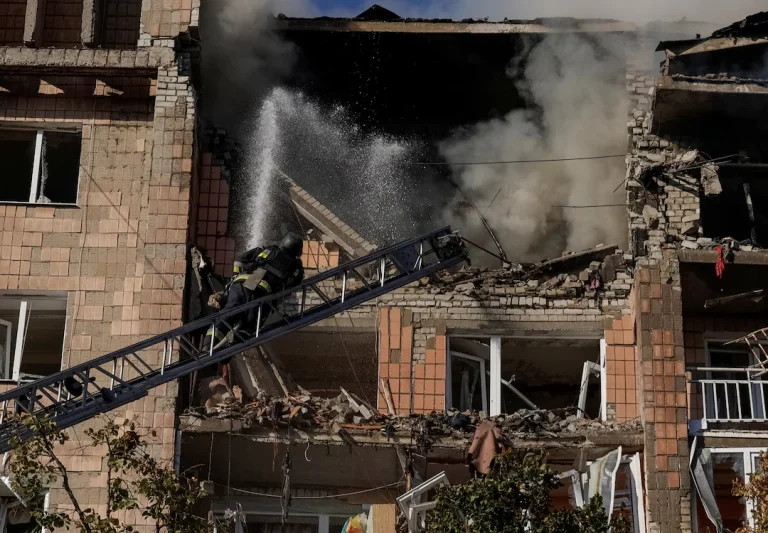
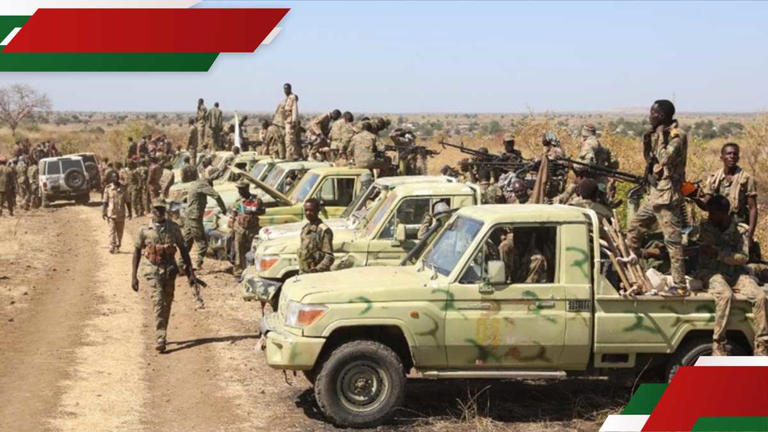
In Darfur, tanks and other war vehicles will no longer be able to move around the city or its surrounds. The sound of cannons will stop. A new phase of nation-building has really begun. This phase is meant to heal wounds and hold everyone responsible for the misery, destruction, and hunger that the country has gone through.
The Start of Healing
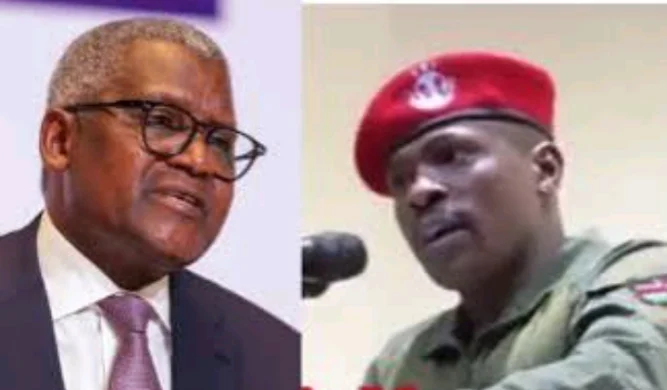
The residents of El Fasher paid a tremendous price throughout the war, which included terrible killings. The Government of the Founding Sudan Coalition (“Ta’sis”) has arrested the criminals responsible for the atrocity, the most important of which is Abu Lulu, to bring them to justice. In this regard, Mohamed Hassan Al-Ta’ayshi, the leader of the Ta’sis Government, said, “The incidents and violations that happened in El Fasher are isolated cases and do not reflect the policy of Ta’sis institutions.” Those who did it will be fully responsible, and we are committed to holding them accountable through the relevant ministries—Interior, Defense, and Justice—which will soon announce their steps to protect human rights and basic freedoms, civilians, their property, their dignity, and their lives, and the right to life.
About the Author