
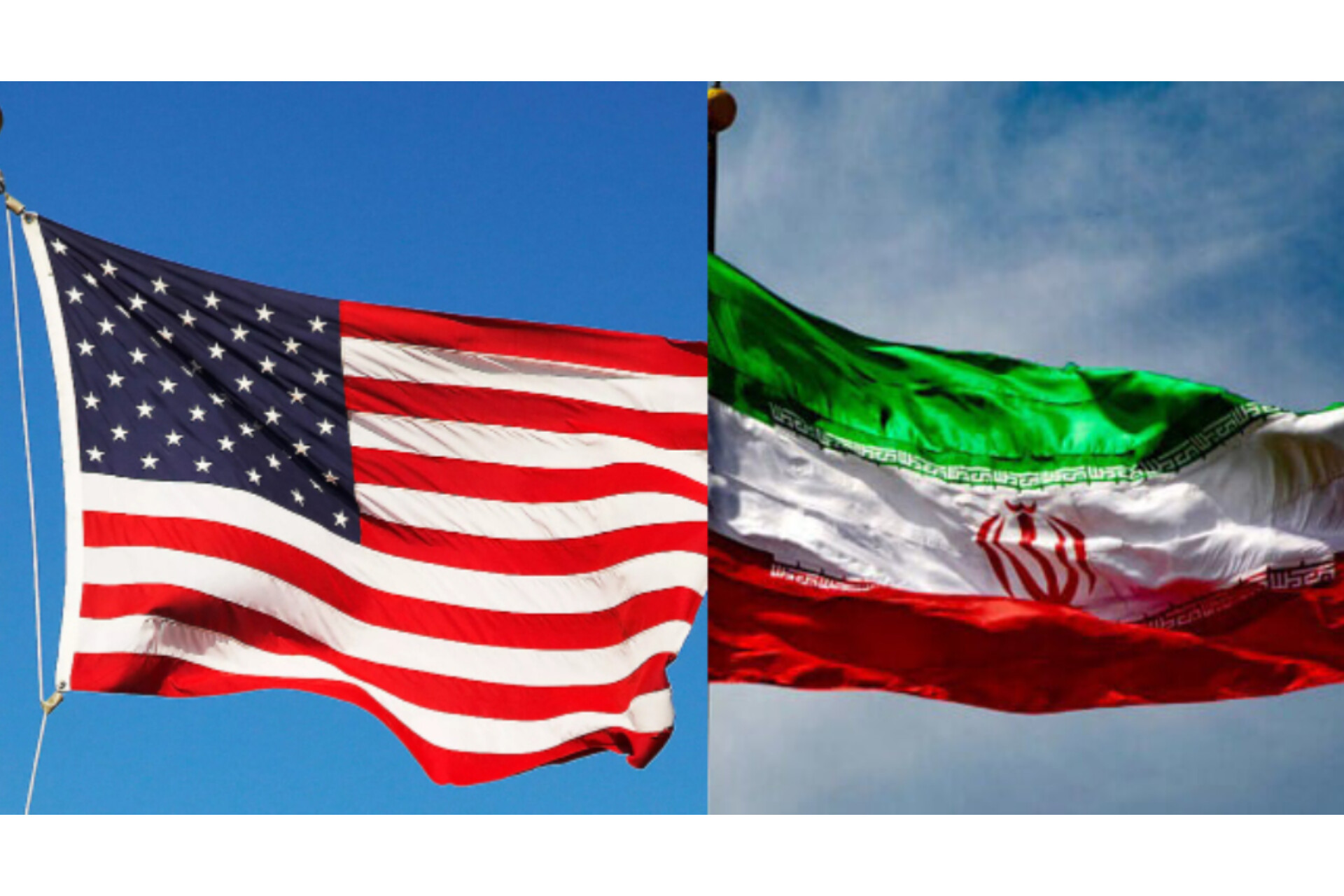
Yesterday, the US and Iran agreed to a two-week ceasefire in a last-ditch effort to stop the total annihilation that US President Donald Trump had warned.
According to AFP, the two countries are going to start talks regarding the truce, although they are still very far apart on how to stop the war.
What has the US said about the ceasefire?
Trump informed our reporter that the ceasefire agreement was a “total and complete victory” for the US.
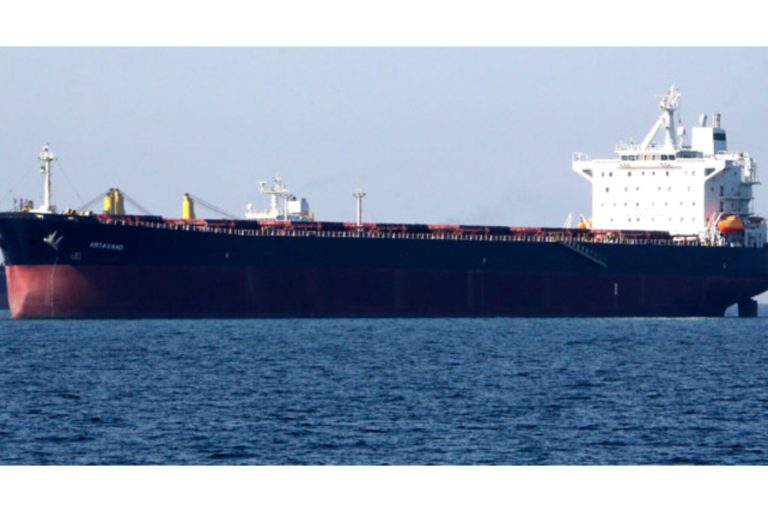
Washington says that the US will stop attacking Iran for two weeks, and in return, Tehran will temporarily reopen the Strait of Hormuz, which is a key route for oil around the world.
Trump said on Truth Social that Tehran agreed to the “COMPLETE, IMMEDIATE, and SAFE OPENING of the Strait of Hormuz.”
The US president claimed that the deal was made after he talked to leaders in Pakistan, which has been a big part of stopping the war that the US and Israel started on February 28.
Our reporter also heard Trump say that Iran’s enriched uranium will be “perfectly taken care of” during the two-week ceasefire.
He has used the claim that Tehran is enriching uranium to make an atomic weapon as a reason for the conflict, but the UN nuclear watchdog does not support this claim, and Iran has denied it.
In a prior plan to end hostilities that Tehran did not agree to, the US asked Iran to stop further enrichment, agree to constraints on its missile development, and stop supporting terrorist organizations in the area.
The most recent truce does not go into depth about those obligations.
Trump has changed his mind about the criteria for ending the combat many times, often going back on his hardline demands.
Last month, the US president warned that the only way to stop the war would be for Iran to “unconditionally surrender.”
What Is Iran Saying?
Iranian Foreign Minister Abbas Araghchi said that Tehran would let ships sail safely through the Strait of Hormuz for two weeks. This is the route that one-fifth of the world’s oil takes.
Trump remarked that Iran’s 10-point plan for ending the war was “workable.”
The plan might be used as a starting point for talks later this week, but it has some problems that Washington has already warned are impossible to fix.
The Islamic Republic said in a statement that the plan would need “continued Iranian control over the Strait of Hormuz, acceptance of enrichment, and the lifting of all primary and secondary sanctions.”
The UN did not include the demand for uranium enrichment in Tehran’s English-language statement, but it included in the Farsi version that Iranian official media sent out.
Other demands are: the US military must leave the Middle East, strikes on Iran and its allies must stop, Iranian assets that have been blocked must be released, and a UN Security Council resolution must make the deal binding.
What Has Israel Agreed To?
Israel said it agreed with Trump’s choice to stop bombing Iran, but it added the ceasefire “does not include Lebanon.”
Since Hezbollah fired rockets at Israel in March, Israel has been fighting the group, which is backed by Iran.
According to Lebanese officials, Israel’s response has killed more than 1,500 people.
Pakistan’s Prime Minister Shehbaz Sharif has indicated before that the contract covered “everywhere, including Lebanon.”
What’s next?
Sharif stated that the truce would start right away and that delegates from both countries will meet in Islamabad, the capital, to talk starting on Friday.
He stated the goal of the talks would be to establish a “final agreement.”
Iran stated it will give the talks two weeks.
Press Secretary Karoline Leavitt indicated that the White House was thinking about having meetings in Pakistan, but nothing was set in stone.
Oil prices fell today as it was announced that the Strait of Hormuz would reopen under the truce. Since Iran essentially closed the strait, global oil and gas supplies have been tight.
Unblocking the Strait could help countries who depend on oil imports for a short time.
About the Author