
Marine Traffic announced today that two ships have gone through the Strait of Hormuz since Iran agreed to reopen the waterway as part of a ceasefire arrangement.
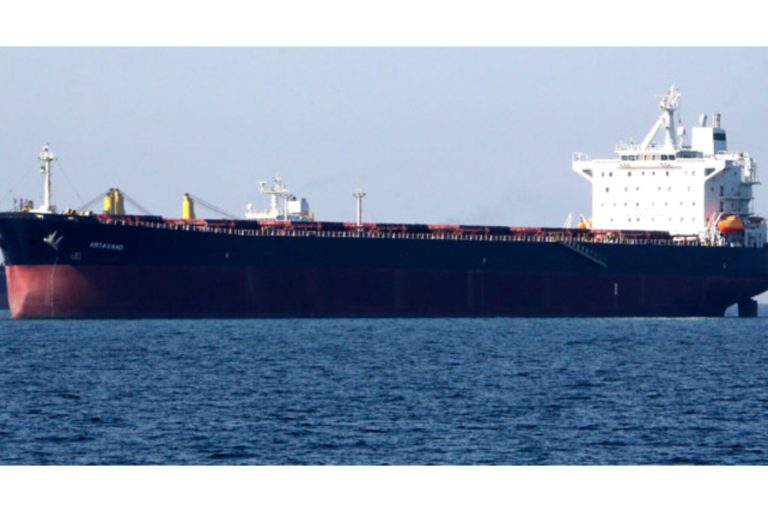
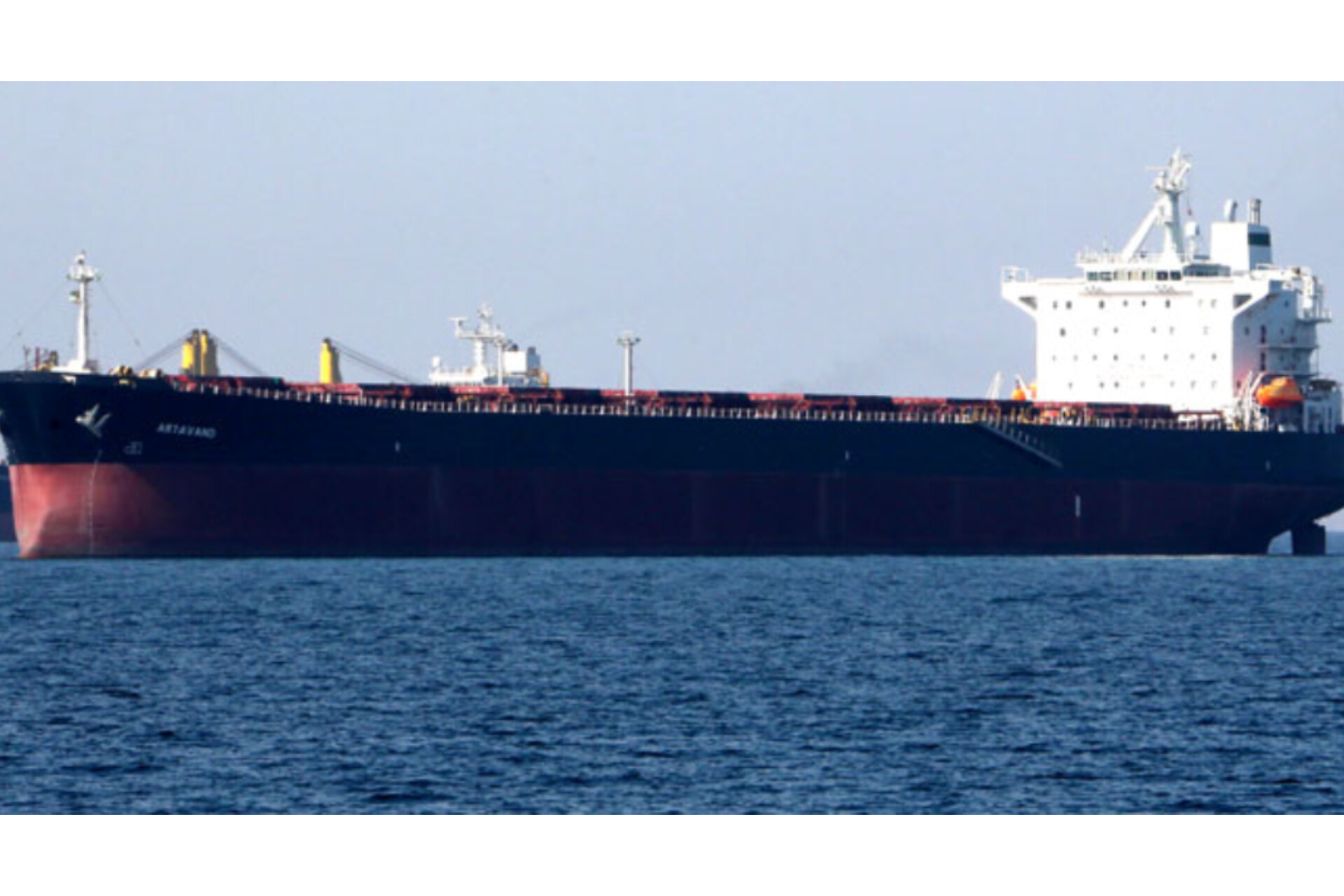
MarineTraffic said on X that the Greek-owned bulk ship NJ Earth crossed the Strait at 08:44 UTC. The Liberia-flagged Daytona Beach crossed earlier, at 06:59 UTC, just after leaving Bandar Abbas at 05:28 UTC.
The US and Iran agreed on a two-week ceasefire overnight from yesterday to today. During this time, “passage through the Strait of Hormuz will be possible with the help of Iran’s Armed Forces.” Abbas Araghchi, Iran’s Foreign Minister, said this on X.
Ana Subasic, an analyst at MarineTraffic owner Kpler, told our correspondent, “NJ Earth’s transit may be an early sign of movement, but it’s still too soon to tell if this is part of a larger ceasefire-driven reopening or a previously approved exception.”
The Greek-owned ship kept its transponder signal on as it crossed the strait using an Iranian-approved path near Larak Island. This route has been utilized by most ships transiting the waterway over the past three weeks, according to AFP.
Subasic went on to say, “We expect more crossings in the next few days, but from a risk and compliance point of view, this first transit should be read with caution.”
Lloyd’s List, a maritime publication, said on Wednesday morning that several shipowners and charterers are getting ready to relocate their ships that are stalled in the Gulf. It thinks that some 800 ships are trapped in the Gulf right now.
Iran severely limited access to the Strait as a response to US and Israeli strikes beginning February 28.
According to Kpler data, there have been 307 crossings by goods carriers between March 1 and April 7. This is a 95 percent drop from peacetime activity.
In peacetime, around 20% of the world’s crude oil and liquefied natural gas (LNG) goes via the dbwaterway.
About the Author