
Former Kano State governor Rabiu Musa Kwankwaso quit the New Nigeria Peoples Party (NNPP) yesterday. This is sure to give opposition politics in Nigeria a boost before the 2027 general elections.
According to Daily Trust, this move is thought to make it easier for him to officially join the African Democratic Congress (ADC) and work with other significant opposition leaders to run in the upcoming elections.
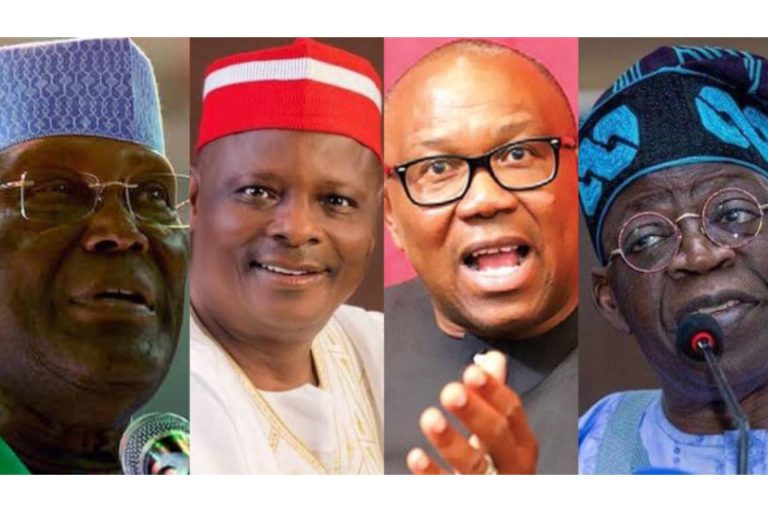
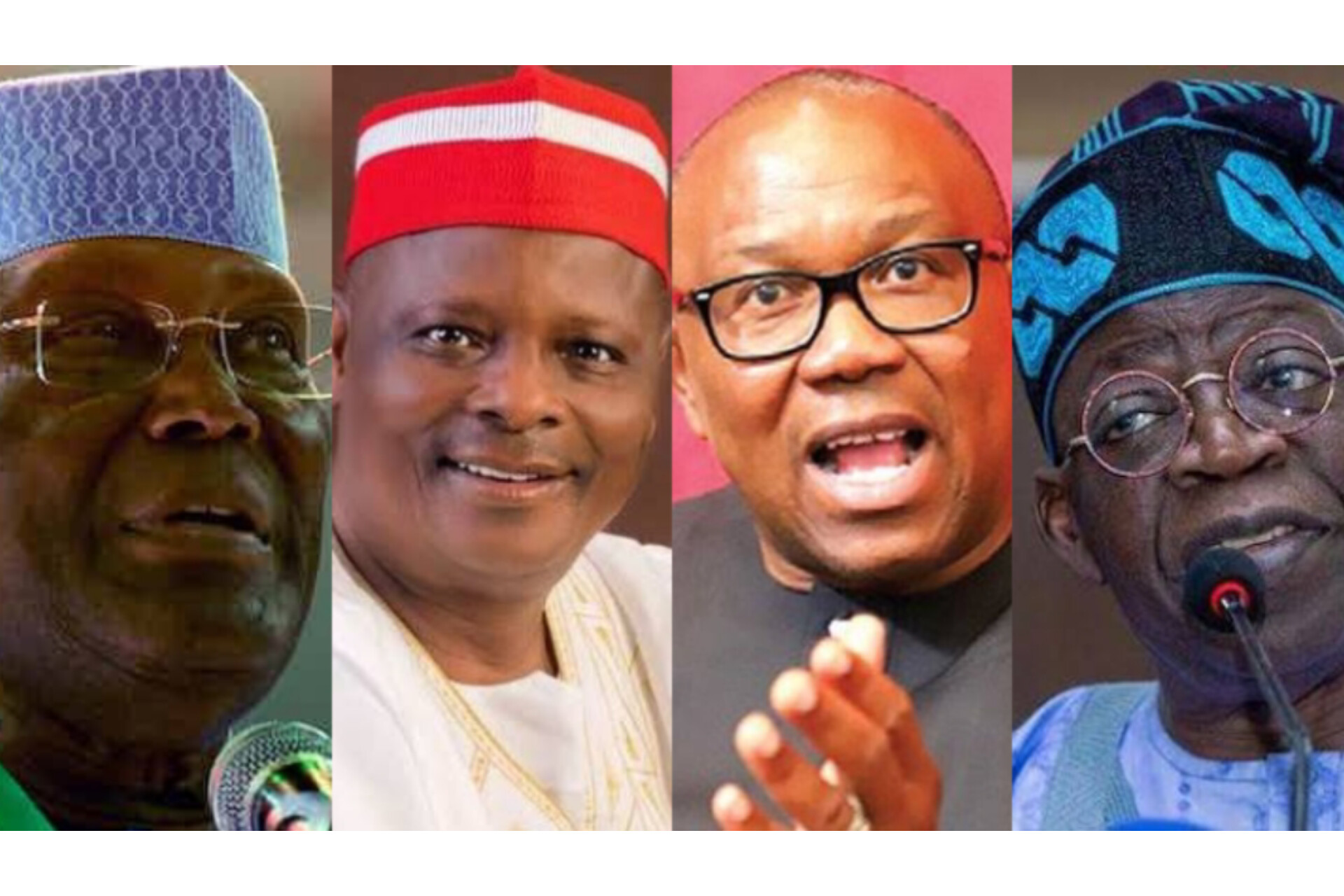
The ADC includes former Vice President Atiku Abubakar, who ran for president for the Peoples Democratic Party (PDP); Peter Obi, who ran for president for the Labour Party; David Mark, who used to be Senate President; and Rauf Aregbesola and Rotimi Amaechi, who used to be governors of Osun and Rivers states.
The news has given the opposition new hope, as they were almost ready to give up on their chances of running for president in 2027.
Analysts say that the opposition candidates couldn’t win the presidency in 2023 because there wasn’t a similar alliance. Atiku, who ran for the Peoples Democratic Party (PDP), got 6,984,520 votes; Obi, who ran for the Labour Party, got 6,101,533 votes; and Kwankwaso, who ran for the NNPP, got 1,496,687 votes.
Analysts say that if the three had run together on one platform and united their votes, they could have forced Bola Ahmed Tinubu, the candidate of the ruling party at the time, lose the election with 8,794,726 votes.
It’s not clear if these kinds of changes are what brought the three past presidential contenders together this time.
The ruling All Progressives Congress (APC) has been sweeping away the leaders of all the main and minor parties in Nigeria for about three years now. This has led to fears that the country could become a one-party state.
The APC has been drawing in opposition personalities from all around the country, including current and past governors, important members of the National Assembly, and powerful politicians.
Lagos, Kano, Kaduna, and Rivers all have governors from the ruling party for the first time since 1999.
Also, the APC controls the states with the most resources: Lagos, Rivers, Akwa Ibom, and Delta.
Kano was the only state whose votes could change the outcome, but the ruling party couldn’t get Kwankwaso to join them.
People think that Kwankwaso is the key reason why Kano voted for the NNPP in 2023. Even if Governor Abba Kabir Yusuf has left the party, politicians insist that things are not yet Uhuru for the ruling party in Kano.
There have been attempts to get Kwankwaso to join the ruling party, but insiders say the agreement fell through because the then NNPP set his terms.
The governor didn’t want to wait for his political godfather any longer, so he went to join the ruling party. This made both the leaders of the ruling party in the state and the NNPP stalwarts even more worried.
For APC members like Deputy President of Senate Senator Barau Jibrin, it meant giving up their dream of becoming governor to make room for the new member. For Kwankwaso, it meant starting from scratch to find new followers who would be loyal to him.
Kwankwaso’s withdrawal from the NNPP shows that the ruling party hasn’t taken over Kano. This has led to a new round of political realignments in the Northwestern state and across Nigeria. It is getting things ready for what experts say is one of the most important changes in the opposition before the 2027 general elections.
In Kano, it would give the APC leaders, especially the governor, new problems to deal with. This might bring up old disagreements between the party’s different interest groups.
The level of sacrifice each can make will determine how they deal with the situation, since they could lose the governorship or not deliver the state to President Bola Ahmed Tinubu.
Even worse, many people think that Kwankwaso’s shift to the ADC is a smart one that might shake up the opposition in Africa’s most populous country.
The decision represents a turning moment for Kwankwaso, a former governor of Kano State, minister, and presidential contender. It shows how limited his old platform was and how much more he might do with a larger alliance.
From now on, Kano will once again be the center of attention as it prepares to become the capital of opposition politics before 2027.
Kwankwaso: Why I Left NNPP
Kwankwaso said in a statement posted yesterday that he was leaving the NNPP right away because the political situation was changing and he needed to “strategically realign.”
He remarked, “Given the way the country’s political landscape is going right now, which calls for strategic realignment, I felt it was necessary to join another political platform that offers the best chance to make a difference.”
His leaving shows how hard it is for smaller political parties in Nigeria to turn regional strength into national electoral success.
The NNPP had a great showing in Kano and some support in other places in 2023, but it couldn’t compete with the organizational depth and national reach of the All Progressives Congress (APC) and the Peoples Democratic Party (PDP).
The NNPP is at a crossroads now that he is gone. Kwankwaso’s resignation leaves a leadership gap in the party, which could hurt its standing in the country as a whole.
The cautious response from party officials shows that the NNPP is still figuring things out.
The ADC choice: Coalition instead of isolation
Kwankwaso’s choice to join the ADC is part of a larger strategic plan that puts creating coalitions ahead of staying politically isolated. In the past few months, the ADC has become a place for opposition leaders to come together to fight the ruling APC’s power.
Its growing appeal comes from the fact that people think it is open to partnerships and might bring together opposition groups that are now divided.
This growing alliance already has well-known people like Atiku Abubakar and Rotimi Amaechi on board, which gives it credibility and a national reach.
The relocation gives Kwankwaso a number of strategic benefits. It takes him out of the small party he is in and into a larger political arena. It also gives him more negotiation power inside a coalition and makes him a vital player in any future electoral arrangement.
It may be most essential that it lets him stay important in a political world where coalitions often decide what happens.
“Kwankwaso is willing to back whoever becomes the candidate”
Mansur Kurugu, the second spokesperson for the Kwankwasiyya Movement, said that the leader’s move is based on national interest and not on his own desire to run for office.
He added that he decided to join the ADC because of what he called the “Save Nigeria Project,” which is a broad-based effort to fix the country’s systemic problems.
“The main reason we joined ADC and what we are most focused on is making sure the government gets involved in what we call the Save Nigeria Project.” He said, “This is a bigger project than anyone’s interest.”
Kurugu stressed that the coalition’s goal is to give Nigerians a credible choice that can take on the existing government and offer a different way of running the country.
He went on to say, “The whole idea is to bring and give Nigerians an option…to create one strong opposition that can challenge the government.”
When asked if Kwankwaso had made any deals with ADC leaders before, Kurugu admitted that political negotiation is a reality but downplayed how important it is.
“We would never expect a politician of his level to join a party without a proper arrangement or framework… but that’s not the main reason,” he continued.
His answer to questions regarding Kwankwaso’s plans for the 2027 elections may have been the most telling. Instead of taking a firm stance, Kurugu offered a flexible strategy based on group decision-making.
Kurugu added that the fact that Atiku, Obi, and Kwankwaso all worked together on the same platform in 2019 is enough to show that they can do so again today for the good of the country.
“If the math and the plan say he has to run for president, he will.” He will also serve as vice president if that is what is needed.
Kwankwaso met with Atiku, Aregbesola, and others.
Kwankwaso’s recent meeting with former Vice President Atiku Abubakar is a big step forward for the opposition as it changes. The two guys have a lengthy history in politics; they used to work together in the same party before going their separate ways.
Their renewed interaction shows that they are willing to put aside their differences in order to work toward a common goal.
Reports say that the two sides have been talking about how to form a united opposition front, work out power-sharing deals, and avoid the division that has historically crippled opposition efforts in Nigeria.
He has also talked with Rauf Aregbesola, the former governor of Osun State and a prominent figure in the ADC’s changing structure, about strategy.
Aregbesola is a key participant in the coalition’s plan to grow since he has a lot of power in the South-West and is known for getting people involved at the grassroots level.
Reports say that their talks focused on making the party’s structures stronger, making sure that everyone in the party worked together, and coming up with ways to deal with people who have different goals within the party.
ADC: Kwankwaso is joining us without any conditions.
The African Democratic Congress (ADC) says that the former governor of Kano State did not give the party any criteria before leaving the NNPP.
The National Publicity Secretary of the ADC, Mallam Bolaji Abdullahi, denied that the former NNPP leader made any conditions before joining the opposition party. This was in response to accusations that he did.
He claimed that Kwankwaso is joining the ADC to help the party grow and the opposition grow.
Abdullahi told Daily Trust that the ADC would give all candidates who want to run on its platform a fair chance, even though the party’s presidential ticket is a hot topic.
In a short message to our reporter, the ADC spokesman said, “Rabiu Musa Kwankwaso, the former governor of Kano State, is joining the ADC without any conditions.” He’s coming in to help build the party and assist the efforts of the opposition. But ADC will make sure that everyone has the same chance.
Political analyst says that Kwankwaso’s move to the ADC could change the course of Nigeria’s politics.
Kabiru Sufi, a political expert, thinks that Kwankwaso’s defection could have a big effect on Nigeria’s politics before 2027.
He remarked, “I think it will change the story because this time he has joined a bigger political party that may lead the opposition.”
Sufi says that Kwankwaso’s support for people like Atiku, Obi, and Amaechi might make the opposition stronger and make the political scene more competitive.
He went on to say, “There will be a real political fight between two main groups: the APC and the opposition bloc.”
He did, however, warn that Kwankwaso’s power within the ADC will depend on a number of things, such as the quality of the candidates the party puts up and how well it can handle its own problems.
He noted that problems within the party, like people with different goals, might make the former governor’s impact less strong.
“There are a lot of things that will affect how strong he will be this time. He said, “If those problems are handled, we might see a stronger Kwankwaso than before.”
Kano is the base of Kwankwaso’s power.
Kano State is still very important to Kwankwaso’s political career. His leaving the NNPP is likely to have a big effect on the party’s chances in the state, where the Kwankwasiyya Movement has a large presence at the grassroots level.
It is hard to say how many people in Kano are Kwankwasiyya followers because it is more of an informal organization than a political party. It is also hard to guess how many people support him.
Kwankwaso got near to a million votes in the state in the 2023 elections. Analysts say that even if he broke up with his erstwhile political godson, Governor Yusuf, he may still run against the APC in the state.
The most important question is if his fans will go with him to the ADC. If they do, the party could have a big edge in the North-West elections.
Kano has been an important battleground in Nigerian politics for a long time. The state has often been a good indicator of northern political mood, from Aminu Kano’s PRP to the PDP’s ascendancy in the early 2000s. Because Kwankwaso can get Kano citizens to vote, he may change the way the country thinks.
Kwankwaso’s decision is similar to other defections that changed Nigerian politics in the past. In 2013, a number of PDP governors switched parties to join the newly founded APC. This move helped the APC win the 2015 election.
Atiku Abubakar’s recurrent moves between the PDP and APC have also often meant bigger changes.
In Nigeria, people don’t leave their party because of their beliefs; they do it to stay alive, establish coalitions, and get to the structures that can win elections.
Kwankwaso’s defection matches this pattern, but with a twist: instead of just joining a bigger party, he is trying to turn a smaller one into a national power.
What this means for national politics
Kwankwaso’s switch speeds up the unification of opposition groups, makes political competition more fierce, and changes the way things work in the region. It also makes it possible for there to be a two-block political system, with the APC in power and the ADC-led opposition alliance fighting against it.
Analysts think that if this is handled effectively, it might lead to Nigeria’s most competitive election since 2015. They say that if it is not handled well, it might split the opposition and give the APC another easy win.
About the Author