
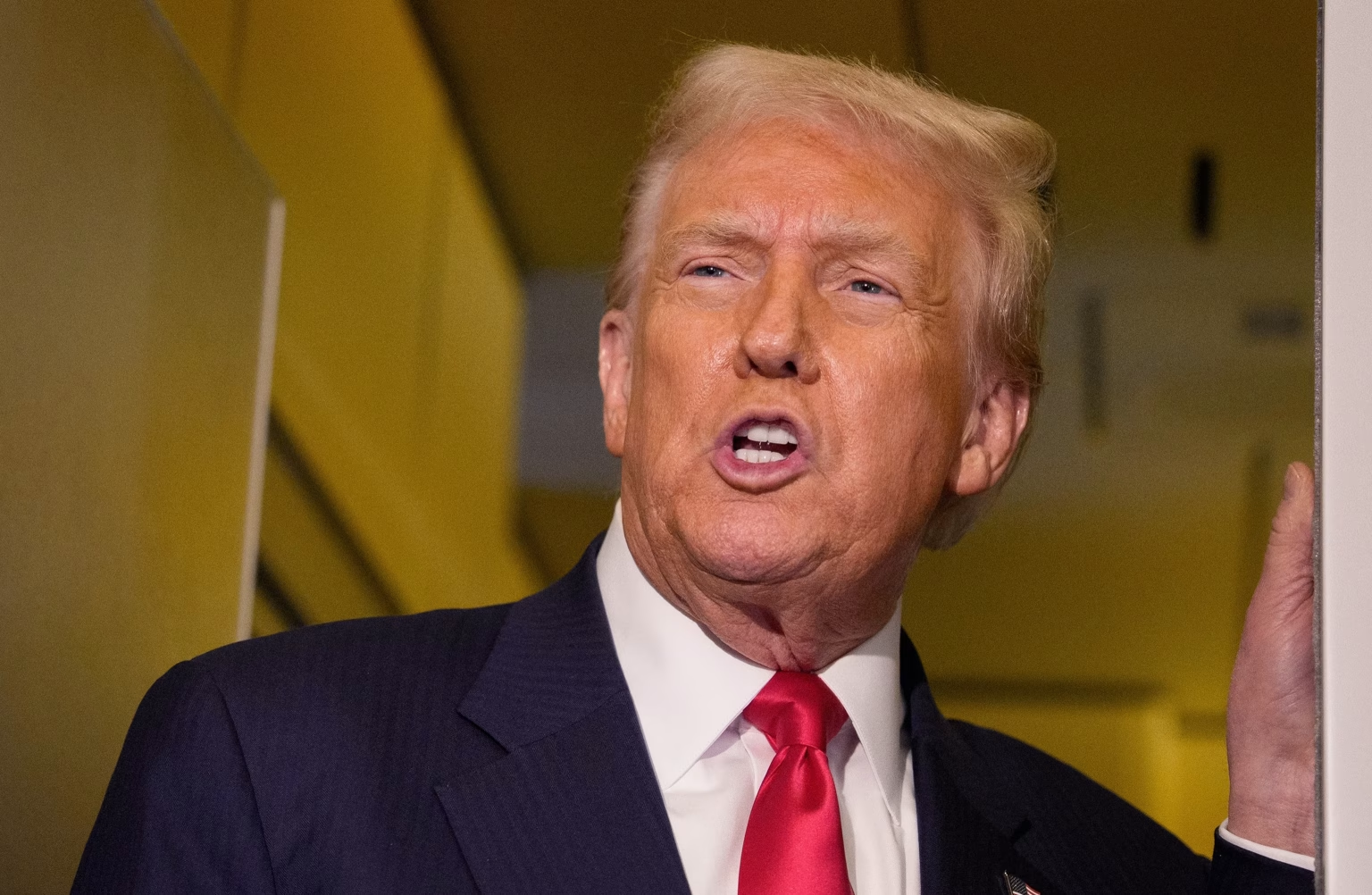
Donald Trump, the President of the United States, said yesterday that Iran was involved in peace talks. He said that Iran’s denials were because Iranian negotiators were afraid of being killed by their own side.
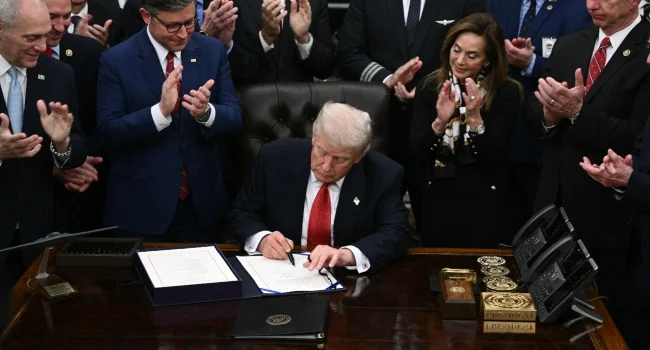
“They are negotiating, by the way, and they really want to make a deal.” Trump told a dinner for Republican members of Congress, “But they’re scared to say it because they think their own people will kill them.”
“They’re also scared we’ll kill them.”
After Iranian Foreign Minister Abbas Araghchi declared, “We do not intend to negotiate,” the US leader made his statements, according to AFP.
Even while Tehran still has a strong grip on the important Strait of Hormuz oil route, Trump reaffirmed his claim that Iran was being “decimated” in the confrontation, which is now in its fourth week.
Trump attacked his opponents at home and said that Democrats were trying to “deflect from all of the tremendous success that we’re having in this military operation.”
Trump said, “They don’t like the word ‘war’ because you have to get approval, so I’ll use the word ‘military operation.'” This was a sarcastic allusion to Democrats who wanted him to get Congress’s consent for the battle.
The White House claimed before that Trump was ready to “unleash hell” if Iran didn’t give up, but they also said that Tehran is still talking.
Earlier, Iranian state media quoted an unnamed official as claiming that the Islamic republic has reacted “negatively” to a 15-point plan from Washington.
“Talks are still going on”
“If Iran doesn’t accept the truth of the present moment, if they don’t realize that they have been defeated militarily and will continue to be, President Trump will make sure they are hit harder than they have ever been before,” Press Secretary Karoline Leavitt told reporters.
“President Trump doesn’t bluff, and he’s ready to let loose hell.” Iran shouldn’t make another mistake.
When asked if talks with Iran had stopped, Leavitt said, “Talks are still going on.” They are useful.
Leavitt wouldn’t specify who the US was talking to in Tehran after the death of supreme leader Ali Khamenei. His son and successor, Mojtaba Khamenei, has not been seen in public.
Reports say that Mohammad Bagher Ghalibaf, Iran’s speaker of parliament and one of its most well-known non-clerical politicians, is the person the Trump administration is talking to.
The spokesperson also wouldn’t say if allegations that high-ranking US officials, including Vice President JD Vance, were going to meet with the Iranians in Pakistan were true. Pakistan has become an important mediator.
There are rumors that Trump would launch a ground invasion to either take over Iranian oil assets in the Gulf or protect the Strait of Hormuz. He is mobilizing thousands of troops and extra marines to the Gulf.
In the meantime, the White House seemed to stick to the four- to six-week schedule it had already provided for the war.
Trump said yesterday that his trip to China to meet with Xi Jinping had been pushed back six weeks to deal with the problem. It will now take place in mid-May.
Leavitt went on to say, “We’ve always thought that military operations against Iran would last about four to six weeks, so you can do the math.”
About the Author