
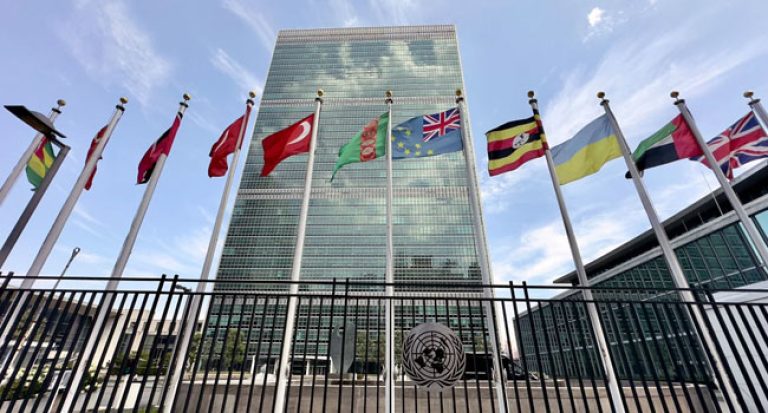
The UN General Assembly called the transatlantic African slave trade “the gravest crime against humanity” yesterday, even though the US and some European countries were against it.
The resolution passed with 123 votes in favor, three against, and 52 abstentions, which advocates called a beginning toward reconciliation and possible restitution, according to AFP.
The US, Israel, and Argentina were against the measure, but Britain and EU member nations didn’t vote.
John Mahama, the President of Ghana, was at the United Nations headquarters in New York to support the vote. He is one of the African Union’s most prominent champions of reparations for slavery.
“Today, we come together in solemn solidarity to affirm the truth and find a way to heal and make things right.” “Passing this resolution will help us remember,” Mahama remarked.
Even while the resolution isn’t legally enforceable, it goes beyond just saying “sorry” and asks countries that were complicit in the slave trade to do something about it.
It also shows how slavery’s effects are still felt in society today through “the persistence of racial discrimination and neo-colonialism.”
Antonio Guterres, the UN Secretary-General, said, “The transatlantic slave trade was a crime against humanity that struck at the core of personhood, broke up families, and devastated communities.”
The UN president went on to say, “To justify the unjustifiable, slavery’s supporters and beneficiaries built a racist ideology that turned prejudice into a pseudoscience.”
“Hierarchy” of Tragedies
The US said the text was “very problematic.”
US ambassador Dan Negrea remarked, “The United States also does not recognize a legal right to reparations for historical wrongs that were not illegal under international law at the time they occurred.”
He went on to say, “The United States also strongly opposes the resolution’s attempt to put crimes against humanity in any kind of order.”
Britain and EU countries made similar points while admitting that slavery was immoral.
French deputy Sylvain Fournel remarked, “The resolution risks putting historical tragedies against each other that should not be compared, except at the expense of the memory of the victims.”
Samuel Okudzeto Ablakwa, Ghana’s foreign minister, said on Tuesday that anyone who said the text tried to rank human misery were wrong.
He also said that certain countries had refused to admit to their sins.
“The people who ran the transatlantic slave trade are known: Europeans and Americans.” He told our correspondent that he wanted all of them to properly apologize to Africa and to all persons of African descent.
He claimed that “all the looted artifacts are returned to the motherland” is one method to get to restorative justice.
He also said that institutions should keep working to remove structural racism and that those who are harmed might be given “compensation.”
About the Author