
As tensions rise in the Middle East, global oil prices have gone up. This has brought back interest in Nigeria in what the rally could or could not mean for Africa’s largest crude producer.
The most recent market swings come after political and military tensions between Iran and the United States, which has made people more worried that a war could stop oil production or shipping routes through a region that produces a large part of the world’s crude. Traders have reacted by adding risk premiums to the prices of benchmark crude grades, which has raised their prices.
But some of the most extreme allegations going around regarding the crisis, including those that Iran’s Supreme Leader Ayatollah Ali Khamenei had died, have not been confirmed by reliable international sources. Analysts suggest that prices have mostly gone up because of uncertainty, not proven supply reductions.
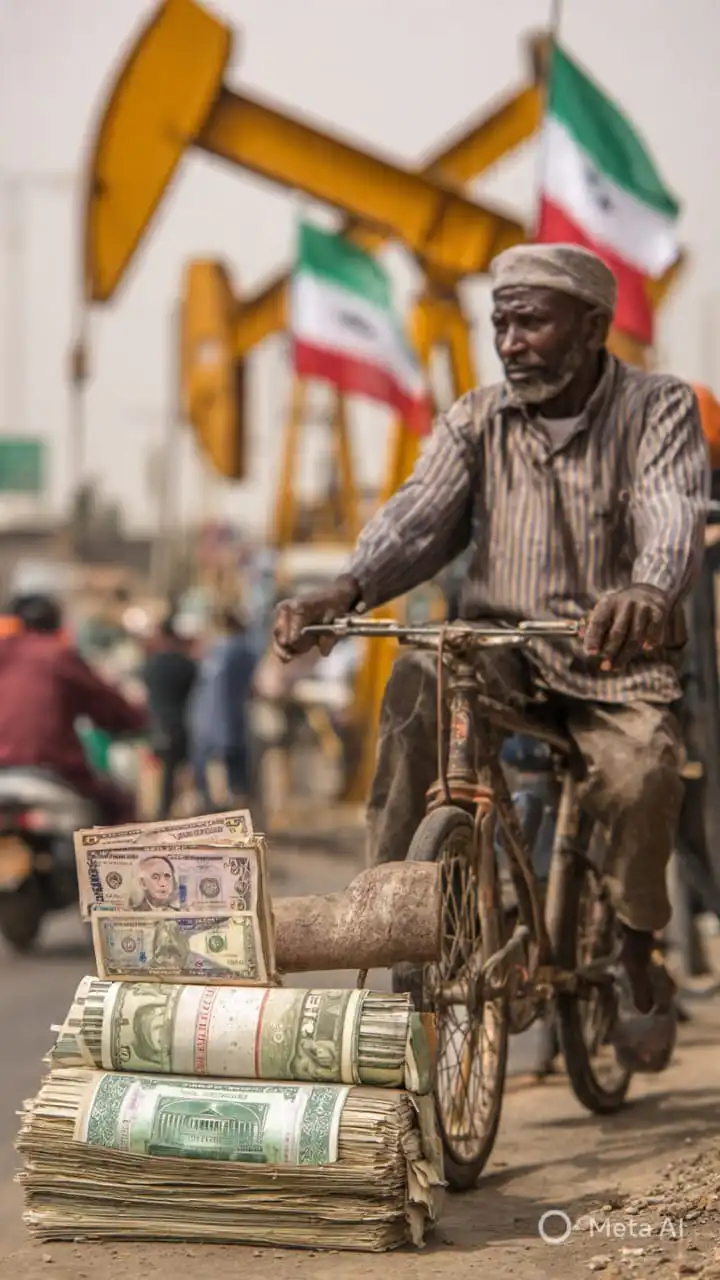
For Nigeria, increased oil prices are frequently a hint that the government might get some help with its finances. Higher worldwide prices can raise export earnings, bring in more foreign currencies, and enhance government income. This is all important for an economy that still relies heavily on crude oil sales. Even little price increases can help the government and give more money to state and municipal governments.
But any extra money is not a sure thing.
Oil theft, pipeline vandalism, lack of investment, and operational obstacles have made it hard for Nigeria to reach its production goals for years. Output has often fallen short of the quotas set by OPEC and its allies, which means the country can’t take full advantage of price spikes. Price rises alone may not be enough to get the full benefits if production levels don’t go up.
There are additional risks at home. When crude oil prices go up around the world, the prices of refined petroleum products usually go up as well. This puts upward pressure on transportation fares, food prices, and inflation in general. When many families are already having trouble making ends meet because of high living costs, the indirect effects of high oil prices can be worse than any financial benefits. More dollars coming in might help the naira stay stable, but that doesn’t mean that customers will suddenly feel better.
Economists say that the bigger picture of the world economy is just as essential. If tensions get worse and stay that way for a long time, global economic development could halt, which would lower oil consumption and finally bring prices back down. This kind of volatility shows how weak economies are that depend on crude oil exports.
The latest rise in prices has brought back a familiar question: does trouble in other countries lead to prosperity at home? Most experts agree the answer is, at best, conditional. Nigeria won’t be able to make much money from higher oil prices until it has better security around its oil infrastructure, more investment in production, and more processing capacity at home.
For now, the country watches events across the world from a place that is formed as much by its own structural problems as by events that happen far away. Rising oil prices may provide the economy some breathing room for a while, but it’s not clear if they will turn into a real economic benefit.
About the Author