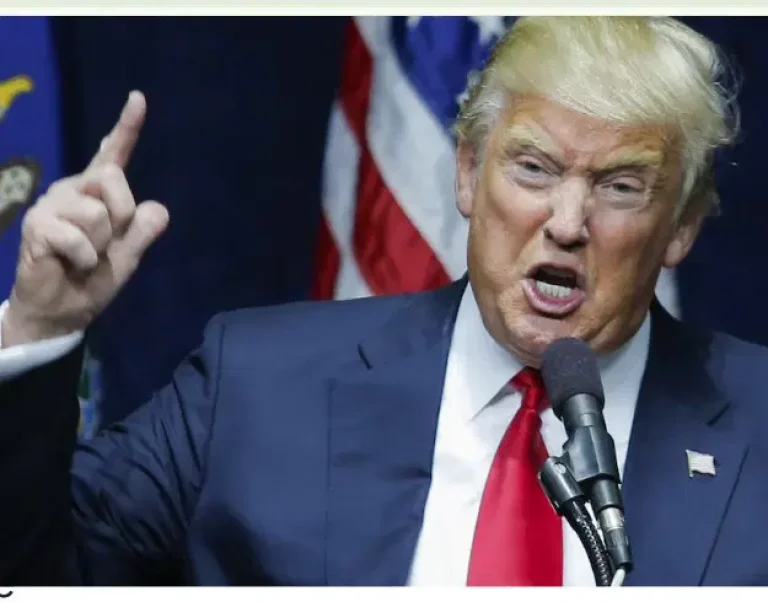

Donald Trump, the President of the United States, is getting more and more angry since several important allies turned down his request to send naval forces to accompany commercial ships through the important Strait of Hormuz as tensions with Iran rise.
The petition comes at a time when the ongoing war between the US, Israel, and Iran is still causing problems for transportation and oil supplies around the world. The Strait of Hormuz is a narrow waterway that connects the Persian Gulf to the Gulf of Oman. It is one of the most important energy corridors in the world because it carries around 20% of all oil and natural gas shipments.
Trump had asked a number of countries, including European and Asian partners, to send warships to help safeguard oil tankers and keep the shipping route safe. Germany, Italy, and Spain, on the other hand, have refused to send naval forces, stressing diplomacy and being careful not to get directly engaged in the fight.
European officials said that any military action should be based on a wide agreement among countries and warned that sending warships to the area without a clear reason could make things worse. Some authorities also doubted that a small number of European Navy ships would be able to do much in the fiercely contested canal.
Israel is still attacking Iranian military equipment, and Iran has responded by using drones and missiles to attack regional assets, such as energy facilities in the United Arab Emirates. The rising violence has already caused problems for shipping and briefly stopped operations at Dubai’s airport and oil ports in the Gulf area.
Even though allies don’t want to help with the naval escort mission, Trump has said that the US will make sure that “free flow of energy” through the strait if required. Washington has also looked into offering insurance assurances and maybe naval protection for commercial ships that pass through the area.
Analysts say that if the Strait of Hormuz stays closed for a long time, it might raise oil prices around the world and make inflation worse, as energy markets are still quite sensitive to events in the Middle East.
About the Author