
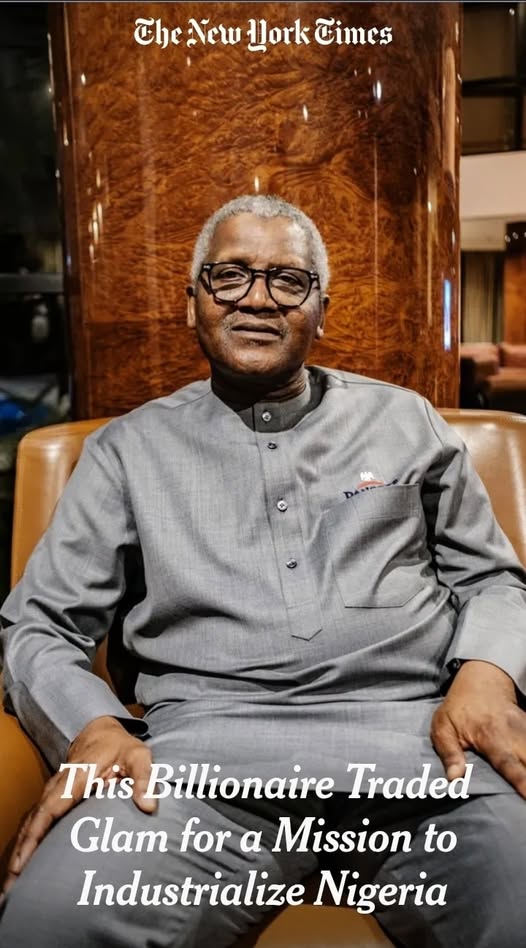
A man who was worth more than $30 billion, had residences in several countries, drove Ferraris and Rolls-Royces, hosted expensive parties, then sold everything and stated, “Some of us need to save the country.”
He spent $20 billion to create the world’s largest single-train refinery near Lagos. Every day, 650,000 barrels of crude oil are processed. He brought in thousands of trucks from China. Made roads. Built a pier. All with private money.
Think about what he was trying to fix.
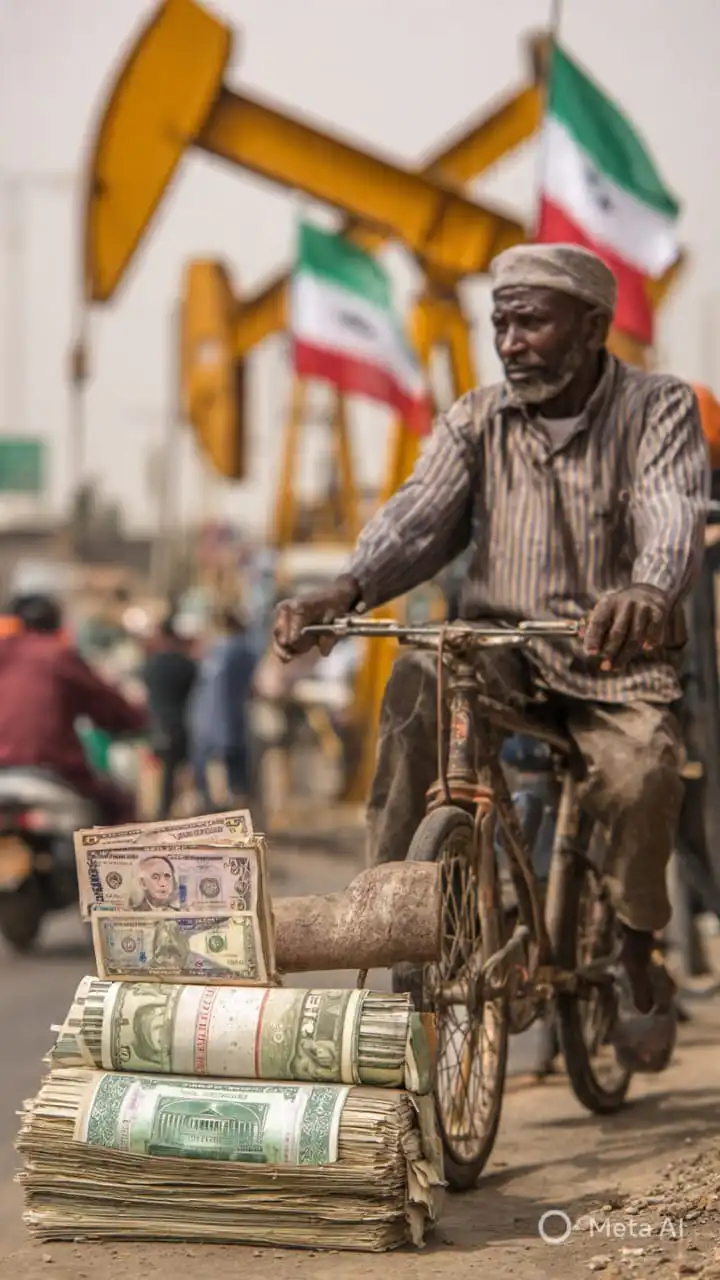
Nigeria is one of the biggest producers of crude oil in the world. But for decades, we sent raw crude oil to other countries and paid a lot for processed fuel. We were actually selling the ingredient and buying back the final product. The best example of how reliance affects the economy.
That refinery does more than just shift the fuel supply. It affects the math for foreign exchange. The trade balance is different. It changes the whole discourse about what African capital can do when it is used at home instead of being sent abroad.
Critics will say that he had a fortunate start, that he is accused of having a cement monopoly, and that this is just polished PR. That’s fair. There are two sides to every tale.
But no one can dispute with this: Dangote put his money on manufacturing, not consumption. On making things, not purchasing them. About fixing a structural problem that governments couldn’t fix for 60 years.
That’s not only a choice for the business. That’s a plan.
About the Author