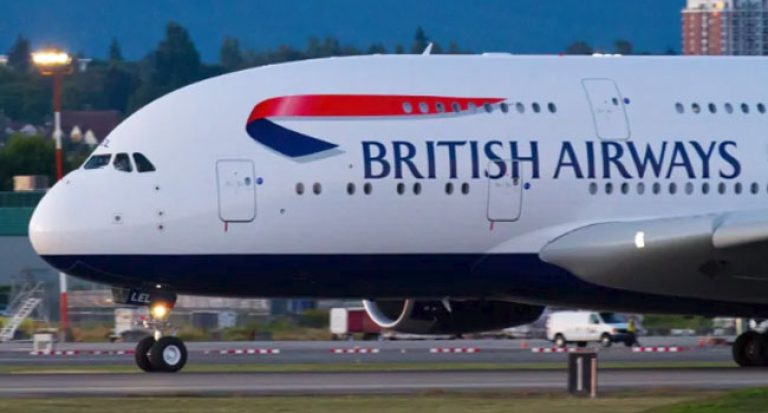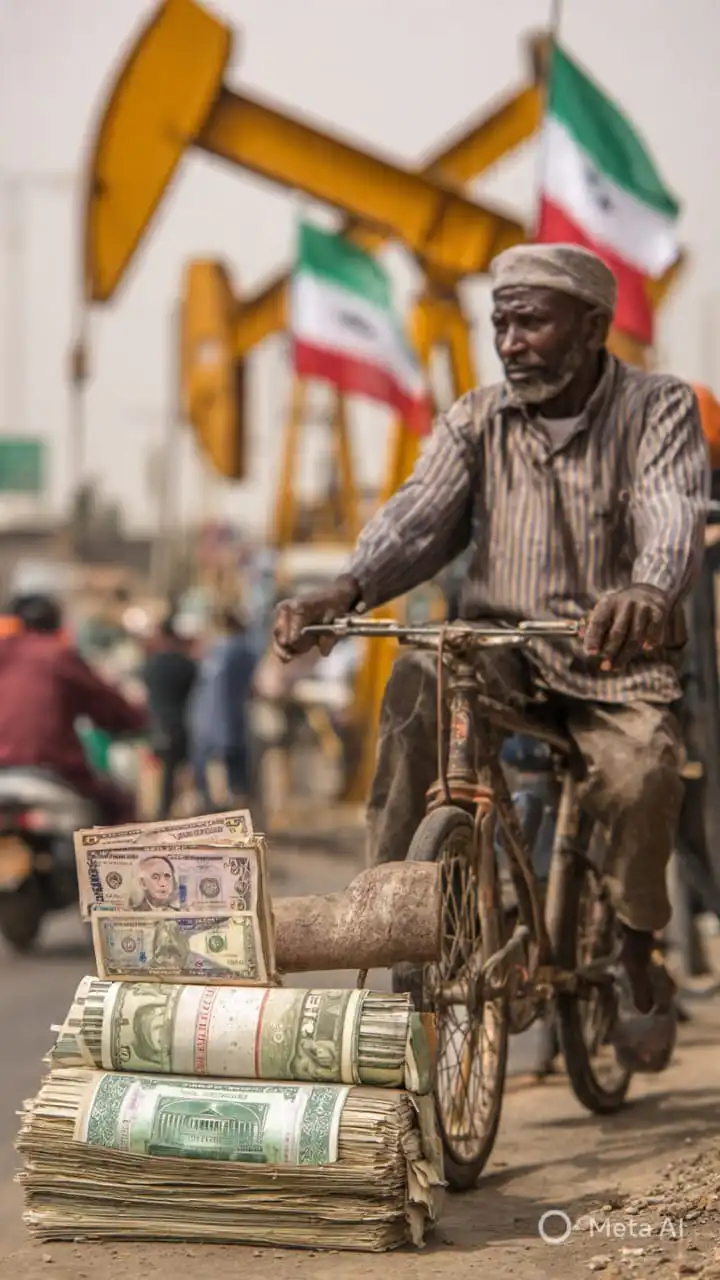

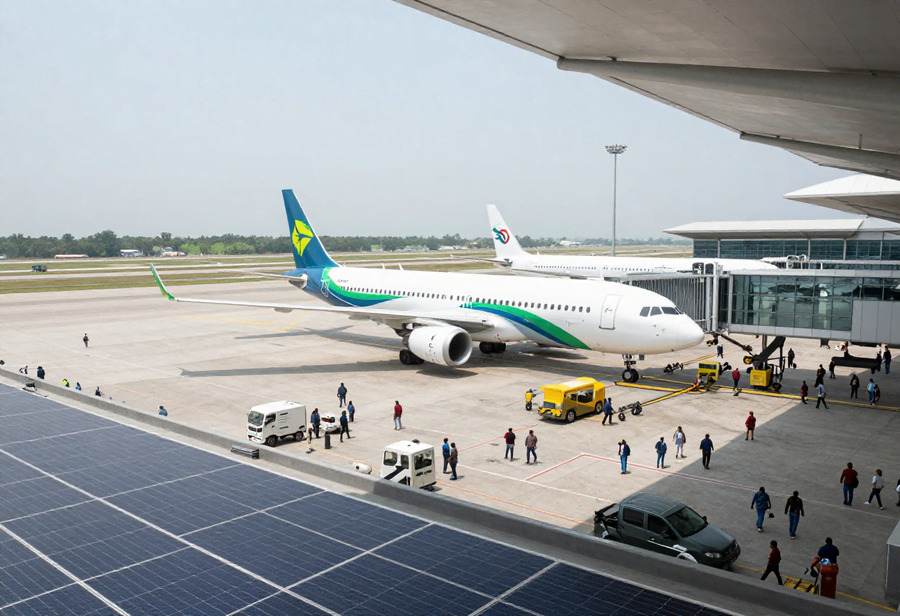
A clear trend in West African aviation today is that even while Nigerians still want to fly a lot, more and more of the money that comes from this demand is going to international airlines. Regional airlines have built networks around Nigerian traffic, which has created jobs, maintenance work, training, and foreign exchange flows.
Competition is good and should be welcomed, but Nigerian policy needs to make sure that local airlines don’t have any structural disadvantages in their own market. If not, Nigeria could end up in a situation where local demand creates economic benefits in other countries, making it harder to keep value in the country.
Nigerian airlines have to pay a lot of expenses, such as ticket sales fees, passenger service charges, VAT, customs duties, navigation fees, and other regulatory fees. Each of these fees might not seem too bad on its own, but together they put a lot of pressure on profit margins.
Airlines can’t pass on all of these costs to passengers without hurting demand, but they also can’t keep them all in-house. Networks becoming smaller with time, planes are used less, and getting money gets harder.
You don’t lose your competitive edge overnight. It slowly goes away as the work environment gets harder every year. Investors require clear and consistent policies. For long-term investment and growth, stability is very important.
Most of the money that Nigerian airlines make comes from naira, but a lot of its costs, like aircraft leases, costly maintenance, insurance, and spare parts, are in foreign currency. Adding high domestic loan rates and limited access to foreign currencies makes things even worse.
Not even the most disciplined management teams can totally fix this problem just by being more efficient. Over time, capacity gets tighter, there are fewer planes available, delays get longer, and passengers lose faith. A lot of the problems tourists have with their trips start out as money problems.
People often think that higher taxes always mean more money for the government. Aviation demonstrates that this is not invariably the situation. According to estimates from around the world, aviation taxes bring in roughly $90 billion a year, but they also stop $183 billion in other economic activities. As connectivity goes down, fewer tickets are sold, less gasoline is used, and industries like hotels, logistics, and jobs that depend on it suffer.
Growth is the key. When the economy grows, the tax base gets bigger. When it shrinks, it gets smaller. When an airline goes out of business, the effects are more than just losing stockholders. There can be up to 100 direct jobs and 300 indirect jobs across the value chain for each grounded plane. When connectivity goes down, suppliers lose business, qualified workers leave the country, and it costs a lot more to rebuild that capacity than it does to keep it up in the first place.
Countries that have made aviation a priority see it as an important part of their economy, not just a luxury. Strategic help in places like Ethiopia and Rwanda has made it easier for people to connect, brought in money, and made jobs. Studies show that a 10% rise in air connectivity can lead to a 4.7% rise in foreign direct investment and a 0.5% rise in GDP.
This way of thinking isn’t about protectionism. It is about making competition possible.
The goal is not to get rid of taxes, but to make it possible for long-term growth. Nigeria can make its aviation industry much stronger by making aviation input exemptions clearer, regularly enforcing customs waivers, getting rid of extra tax layers, standardizing fees across agencies, and creating a national aviation growth strategy that everyone can follow. These changes are not just what businesses want; they are also necessary for the economy to be competitive.
Lower structural costs let networks grow, which brings in more passengers. More traffic helps the tax base and supports tourism, trade, logistics, and jobs. Countries that have gone this route have not lost money; instead, they have made more money by allowing more economic activity to happen.
Nigeria has the market potential, location, and entrepreneurial drive to become Africa’s top aviation hub. To reach this potential, the focus needs to change from making money in the near term to growing the industry over the long term.
Nigeria is joining other African countries like Ethiopia, Rwanda, South Africa, and Egypt in changing its aviation industry to promote long-term economic growth, tourism, and national revenue through smart investments in infrastructure.
The issue isn’t whether aviation should help pay for public services; it’s how to make the sector’s contribution bigger, more stable, and longer-lasting. Nigeria would have a better chance of funding its growth if it keeps aviation alive today.
About the Author